Sweden Found a Need Hiding in Plain Sight
Visit Sweden shows how an overlooked product attribute turns into a compelling reason to buy when it connects with the right customer need. Visit Sweden has opened a travel agency

Visit Sweden shows how an overlooked product attribute turns into a compelling reason to buy when it connects with the right customer need. Visit Sweden has opened a travel agency
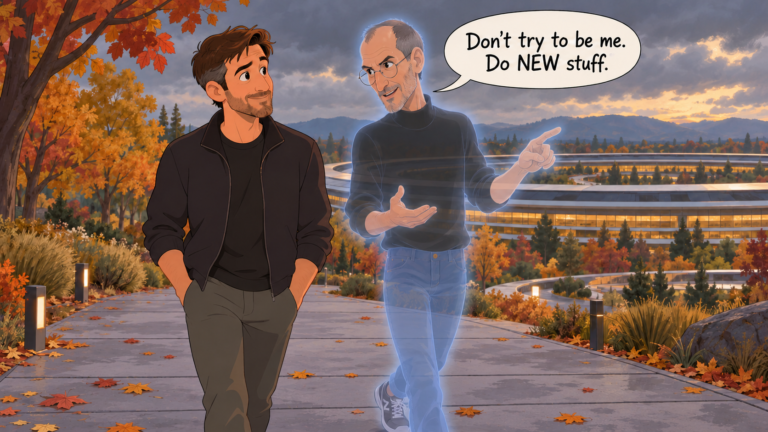
Apple’s new product burst is a useful reminder that the loudest reaction to an unfamiliar product rarely predicts what buyers will do with it. John Ternus has been running Apple
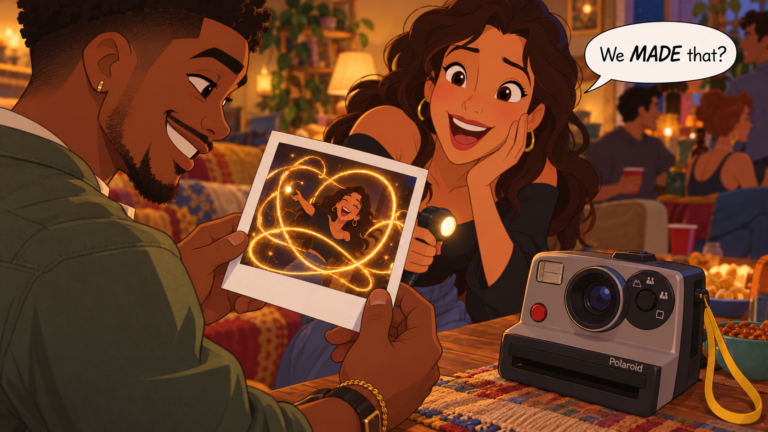
Polaroid’s latest camera makes creative techniques easier while leaving the pleasure of experimentation in your hands. When I was a kid, a Polaroid camera was a delight at parties. Someone
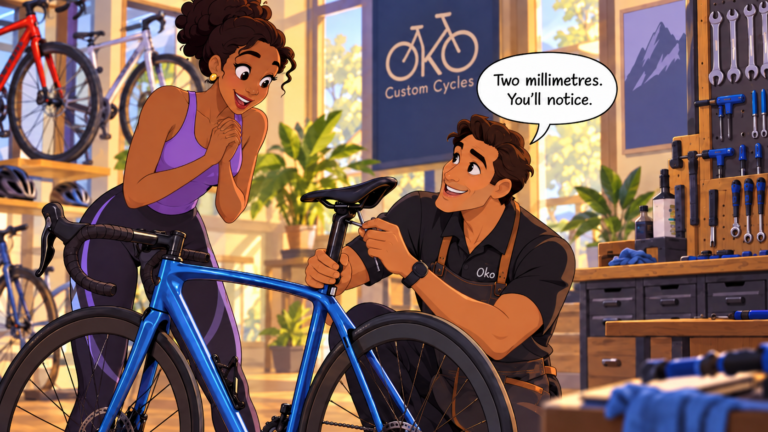
New research suggests customers experience craftsmanship through the people, timing and tiny gestures surrounding the product, beyond how it was made. When brands talk about craftsmanship, they usually point backward.
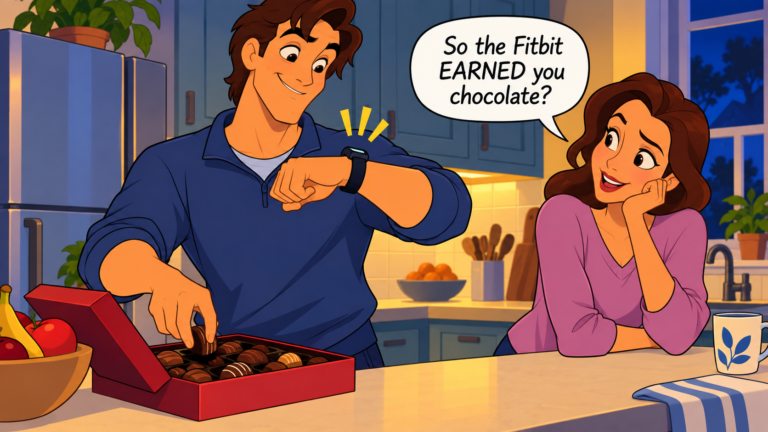
New research suggests tracking healthy behaviour might make you more likely to indulge elsewhere. I like the basic promise of a Fitbit. That was my first fitness wearable more than
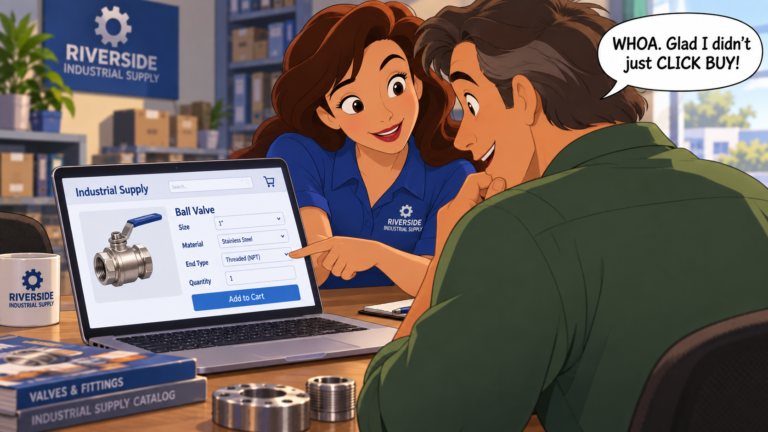
Selling online can expand a B2B company’s reach, but new research shows it can also weaken the consultation customers rely on. I’ve helped lots of B2B companies sell online, and
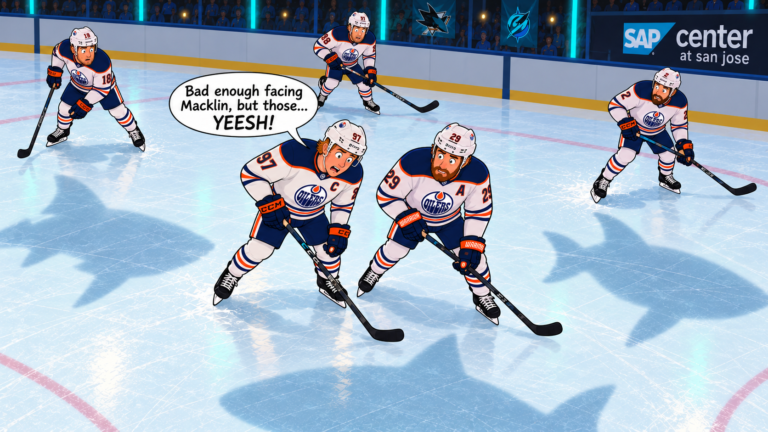
San Jose went and turned a familiar NHL nickname into a spectacle that makes the game-day experience unmistakably its own. My Edmonton Oilers visit San Jose this afternoon, and will
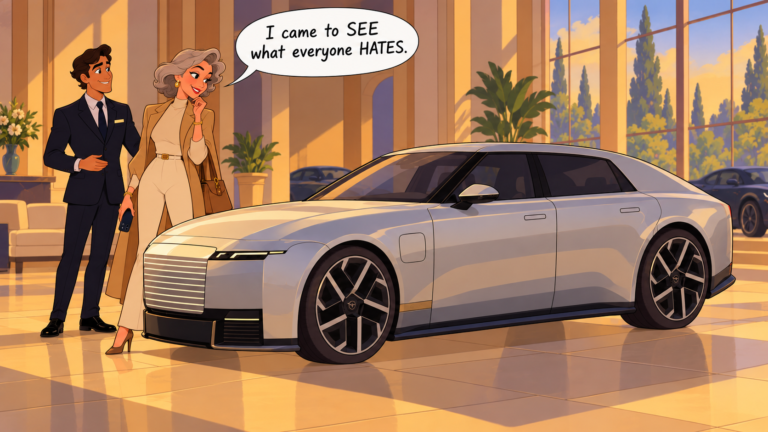
Jaguar’s inherited fame gives its reinvention a huge audience, but customers will decide if its EV deserves a future. The internet rallied to defend the old Jaguar with an enthusiasm
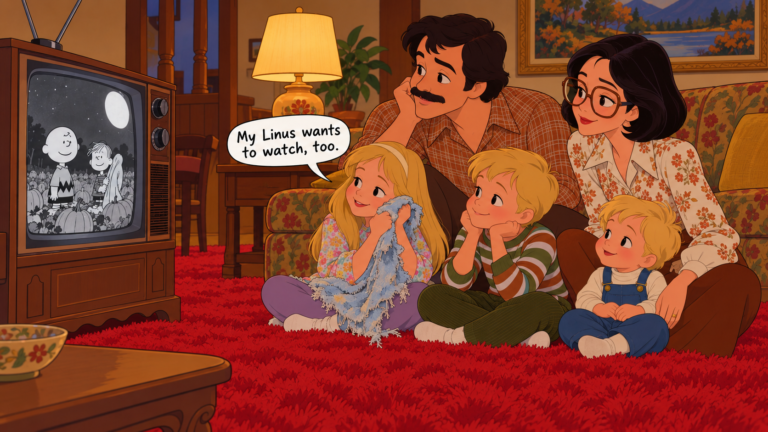
Snuggle’s Peanuts partnership connects its product to a meaning customers learned long before they bought fabric softener. I wonder what Charles Schulz would make of “peak Peanuts” in 2026, with
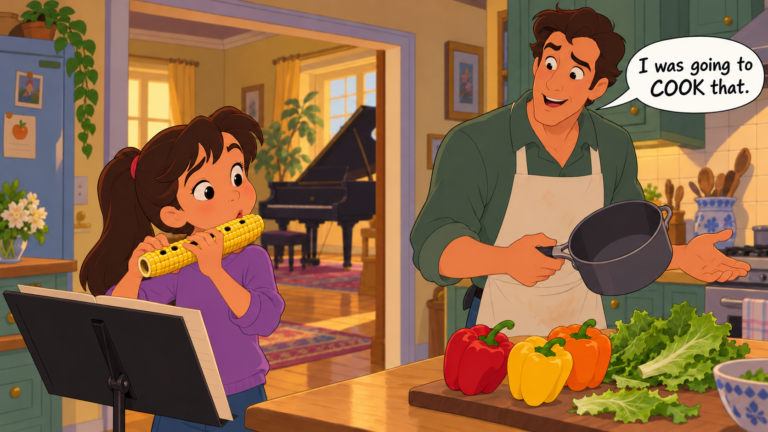
Chipotle gives its freshness message a soundtrack made from the food itself, played by classically trained musicians. As I write this, one of my kids is practising flute after the
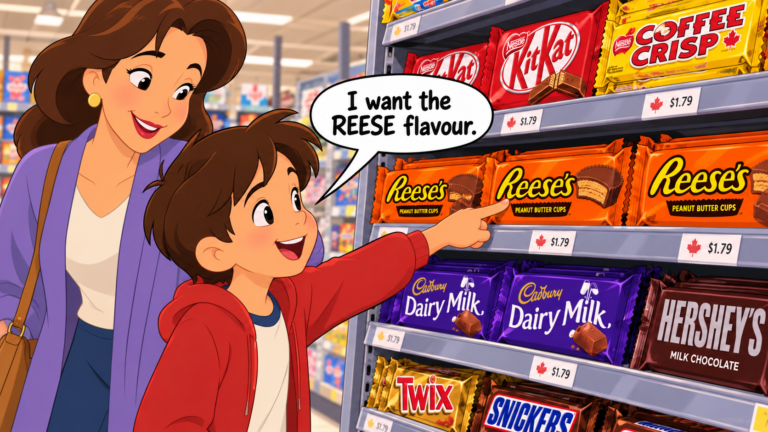
When customers recognize your product’s taste as your brand, you have something you can carry into new formats and occasions. For most of my life, Reese’s was peanut butter cups
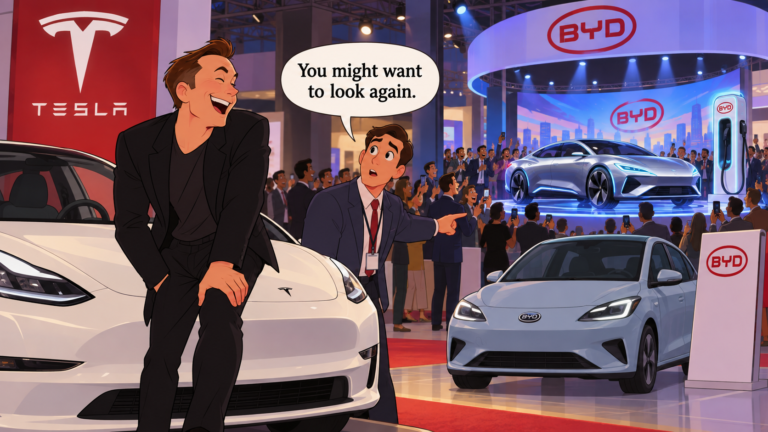
In 2011, Elon Musk laughed when BYD was suggested as a Tesla competitor. Fifteen years later, the joke has aged badly. There’s an old clip of Elon Musk that has

More than 40 years ago, Jobs described how computers would preserve a person’s worldview, answer questions and act as personal agents. Steve Jobs gets credited with predicting a ton of
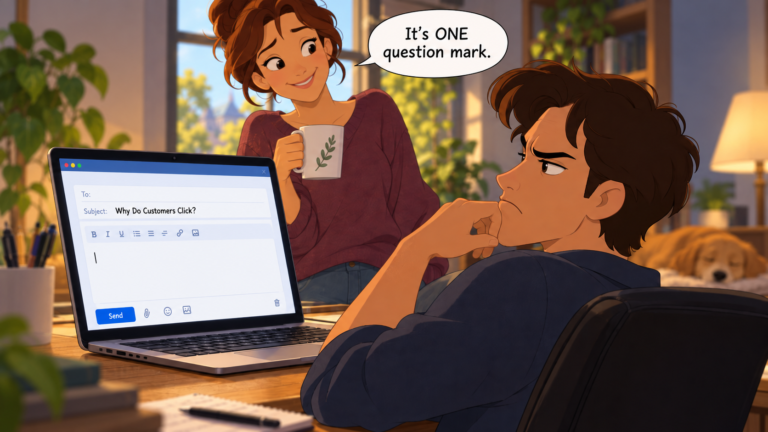
I tend to write subject lines as statements. Research suggests I could be leaving readership on the table. I have this habit with subject lines… Even when they begin with
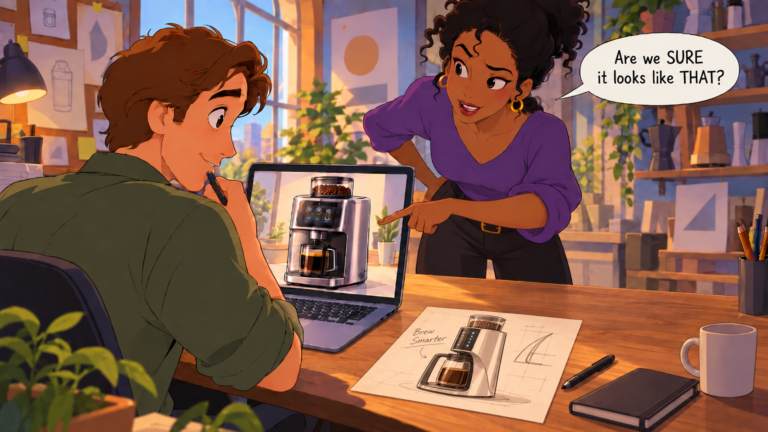
New research suggests the best way to use generative AI for product ideation is to add on MORE constraints. When innovators use AI to develop a new product idea (or
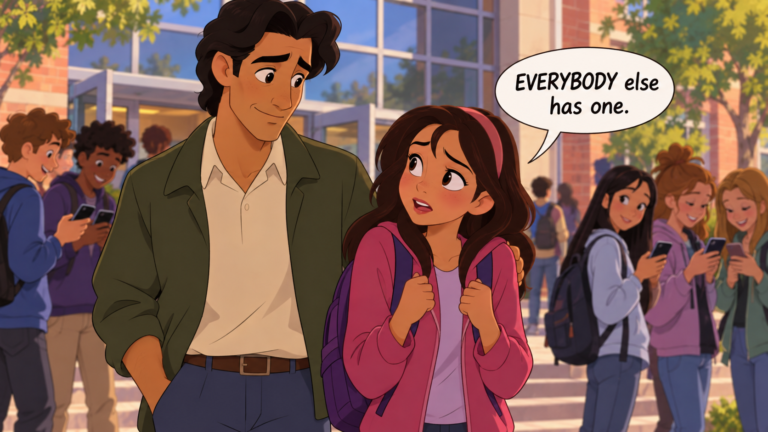
New research links getting a smartphone before 13 with dramatically worse mental health in young adulthood… and the younger the child, the worse the association is. My daughters were the
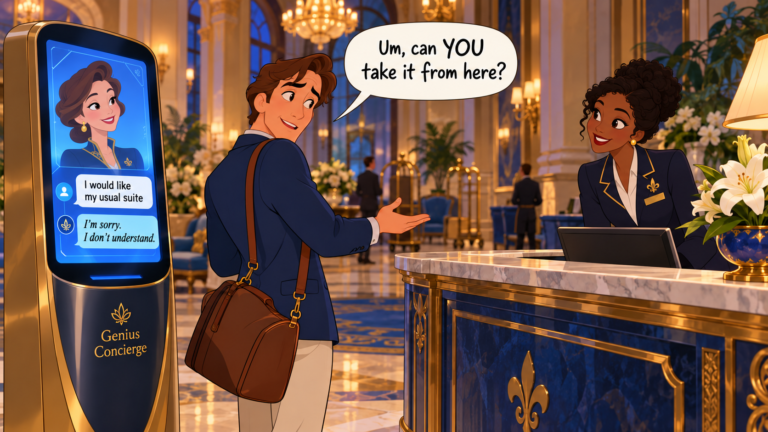
Affluent customers might welcome AI assistants, but premium service means knowing when a human needs to take over. Luxury service has traditionally meant high touch. Like a concierge who remembers your preferences or the salesperson who knows your size by heart. Maybe the hotel that anticipates what you’ll need before you step onto the shiny tiles. But the luxury consumers I know are also super-interested in AI agents and automation. Why wouldn’t they be? If an agent can book the restaurant, change the flight, locate the exact product, arrange delivery and save 20 minutes of pointless back-and-forth, that’s an all-round better experience. What they’re paying for is access to fantastic service, not max human interaction. A recent study in the Journal of Retailing and Consumer Services provides some neat support for that idea. Researchers examined attitudes toward AI assistants among luxury consumers in South Korea, a market with unusually high luxury spending and technology adoption. They found that emotional appeal and perceived social presence both helped drive acceptance of AI assistants. Trust also played an important role. But one other

Kate Moss wore Hunter boots to Glastonbury in ’05 because the field was mucky. Twenty-one years later, that spontaneous choice is still sellin’ the Wellies. Hunter turns 170 this year,

Meta is making virtual reality dramatically lighter and more affordable. The big engineering challenge is making folks around the wearer comfortable. Meta just showed off the coolest VR hardware it
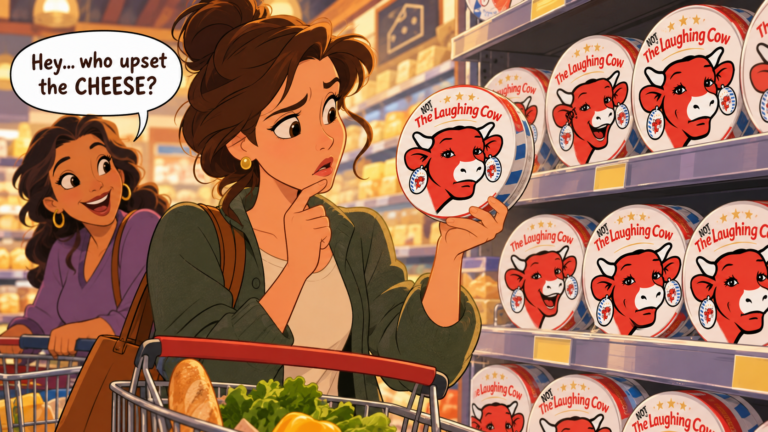
After over a century of levity, The Laughing Cow has changed one of its most recognizable brand assets and refuses to say why. Exactly a month ago, I wrote about
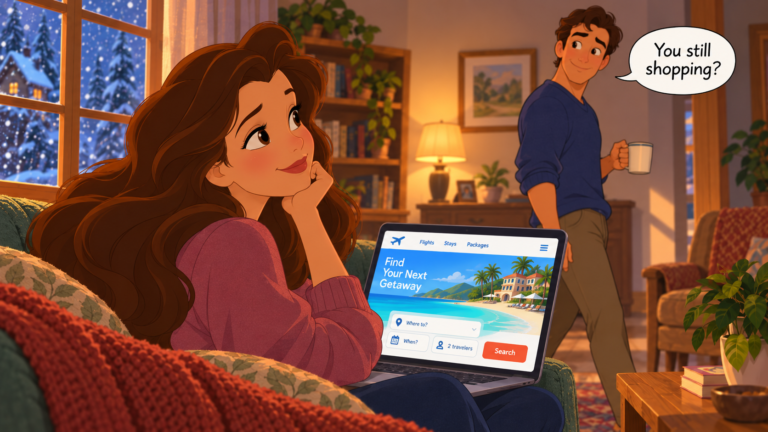
New research suggests mind wandering can actually increase purchase intent when the purchase is still some distance away. Marketers put tons of effort into trying to STOP you and me
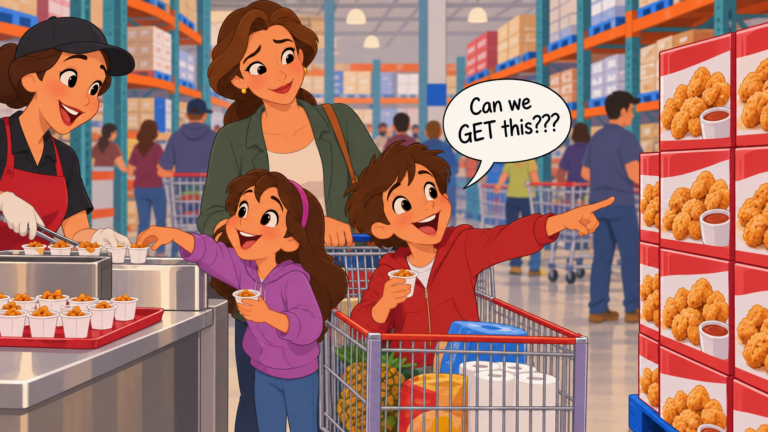
New research suggests recent consumption has an outsized effect on what people buy next, especially when uncertainty is high. My kids love goin’ to Costco, especially when they know there’ll
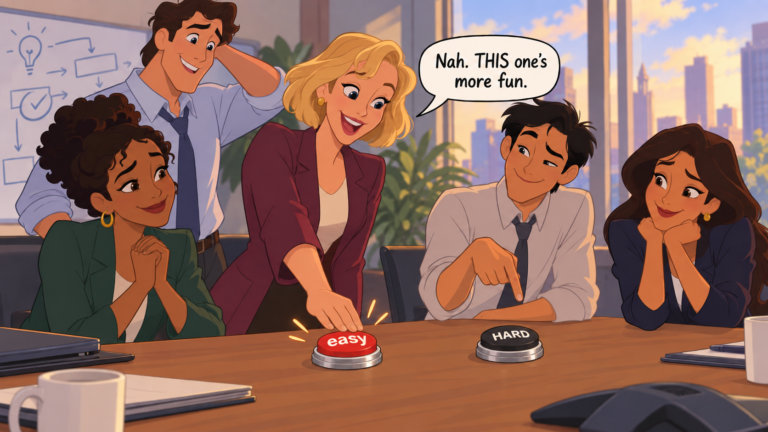
More than 20 years after turning “easy” into an office icon, Staples has created its opposite. Decades ago, we had a Staples Easy Button in our boardroom. Colleagues and clients loved slapping
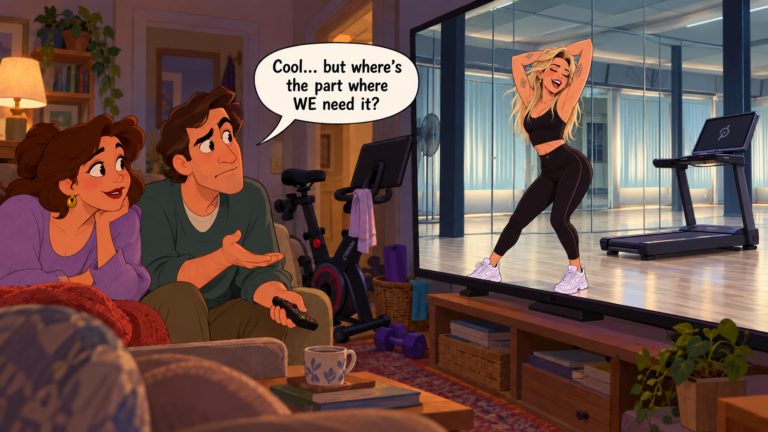
The new Tread Flex solves two obvious barriers to treadmill ownership: space and price. Peloton’s Miley launch ad somehow makes both easy to miss. My wife and I are unusually
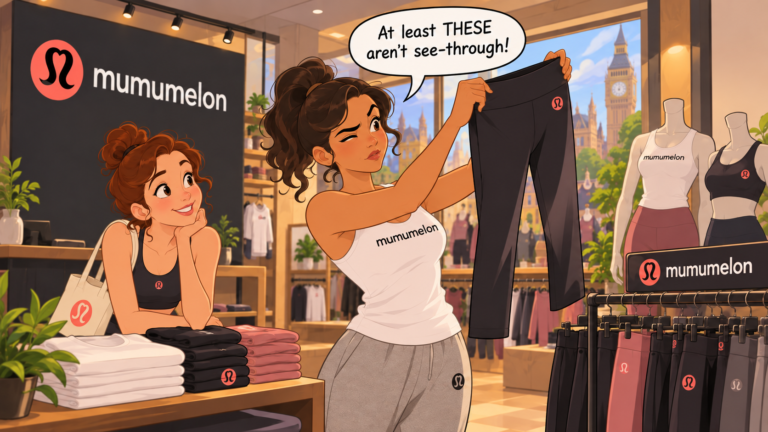
Five months after activists opened a fake Lululemon store in London, the parody brand is still online, but there’s no sign the stunt itself caused Lululemon’s sales slide. As a
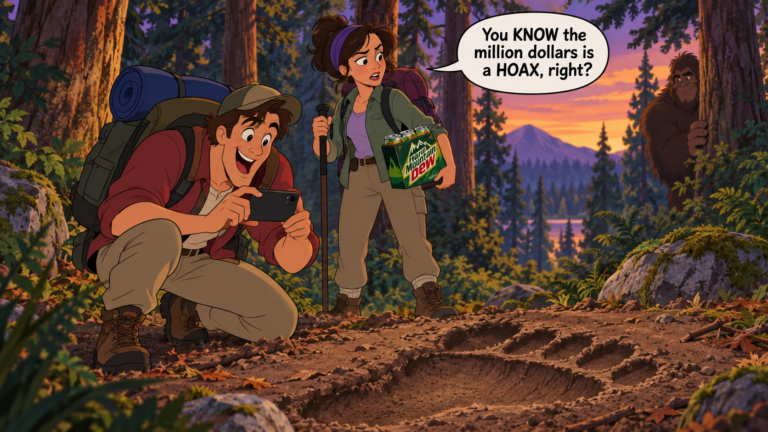
Hard Mountain Dew has put a bounty on Bigfoot, turning an impossible challenge into a promotion folks want to participate in. A couple months ago, I wrote about Columbia Sportswear
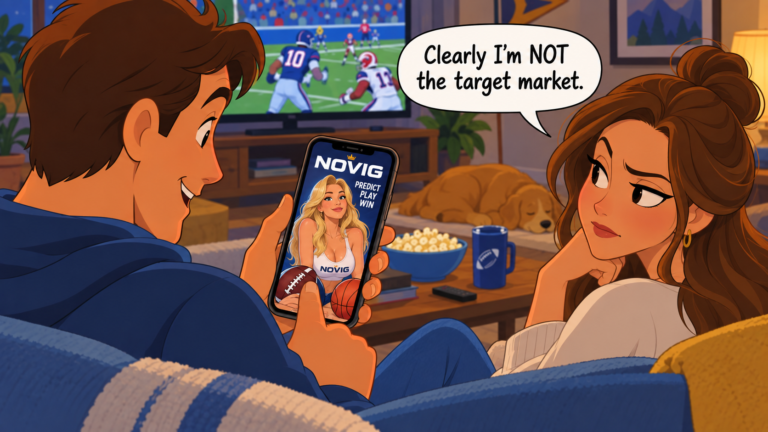
Novig’s Sydney Sweeney campaign is a useful reminder that attention only works when you’re comfortable with who it attracts and who it pushes away. Sydney Sweeney has done it again.
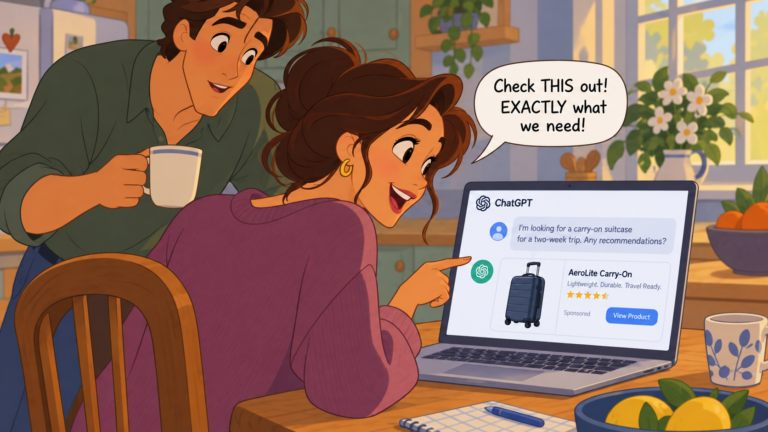
Shopify merchants can now set up ChatGPT ads in the platform, but the real story is how AI is changing product discovery. Shoppers increasingly ask ChatGPT questions like: What’s the

New neuroscience proves the clearer your position, the easier the decision. Here’s an experiment I love. Researchers recently showed people circles filled with hundreds of parallel lines. Each participant had
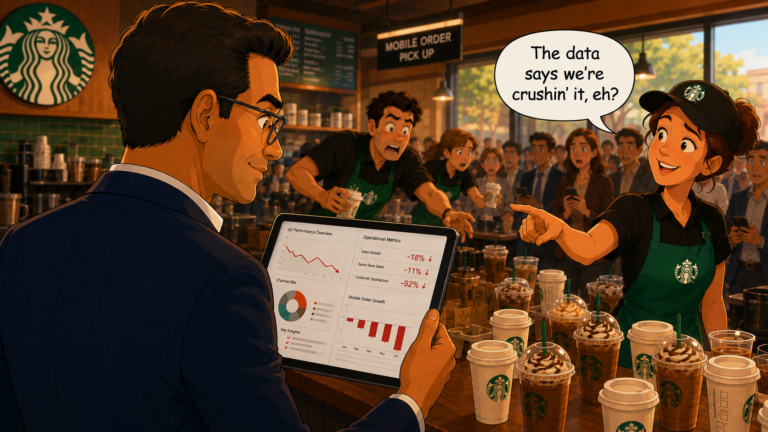
Starbucks offers a useful warning about the difference between understanding how businesses work and knowing how to make one work. During Laxman Narasimhan’s 17 months running Starbucks, the company lost

It takes a ton of work to make a brand extension like this seem like it belongs. But it does for a reason. Maybe I live under a rock, but
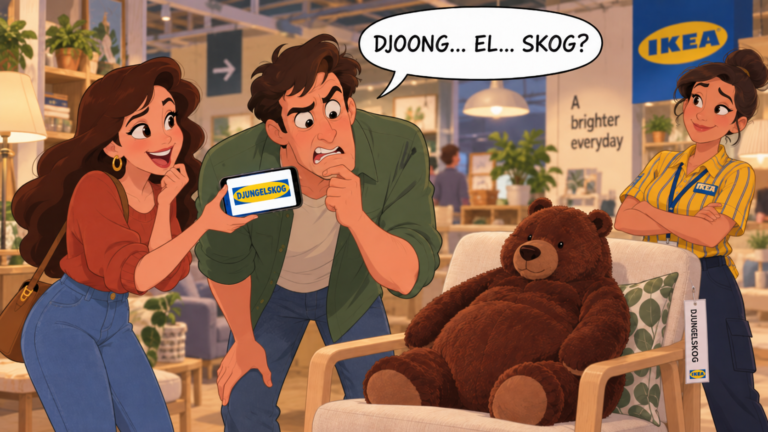
One of IKEA’s weirdest brand quirks has become a game, and a pretty good lesson in how to turn confusion into engagement. I’ve joked before about IKEA’s remarkable ability to

The Sienna’s built-in FridgeBox is a cool feature. Toyota’s new ice cream collaboration makes you immediately know why you need one. A freezer in a minivan is pretty cool. Literally,
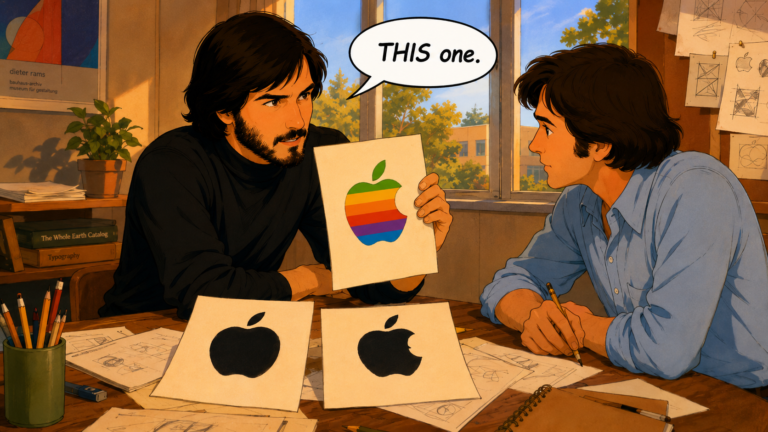
One bite-sized decision made Apple’s logo unmistakable. And decades of brand building packed it with meaning. During a branding discussion a few days ago, I recalled a story about the
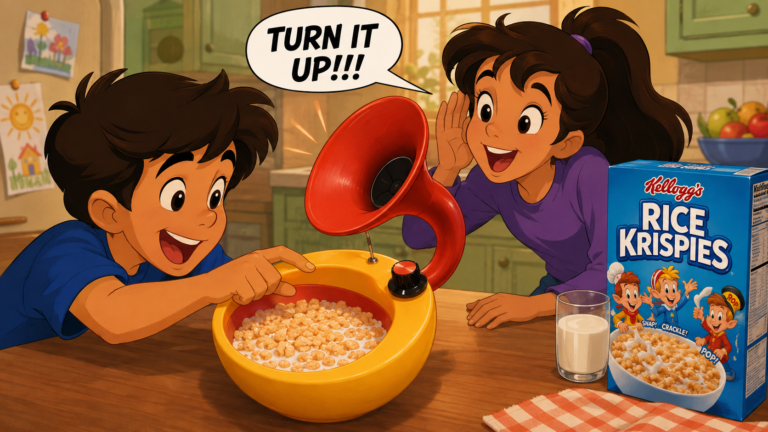
Nearly a century after turning the sound of Rice Krispies into a brand asset, Kellogg’s commissioned a cereal bowl designed to amp it up. This is so gloriously unnecessary. Kellogg’s
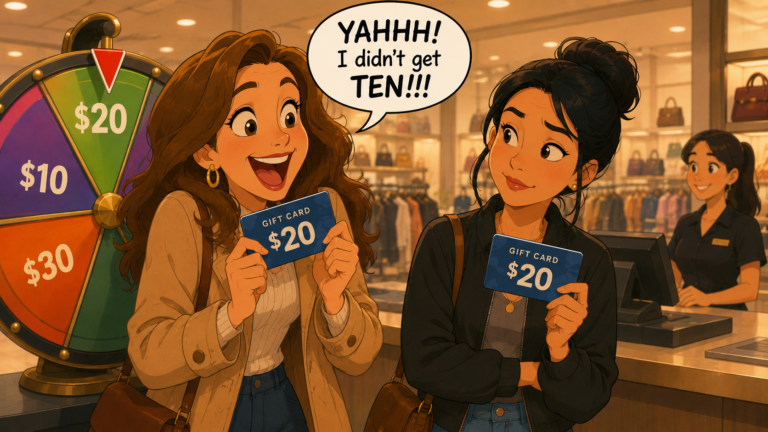
New research shows that uncertainty makes a reward more desirable. Imagine two people each receive a $20 gift card. One is simply handed the card. The other spins a prize wheel

The World Cup gave Coca-Cola a sales surge, plus something that could keep paying off for years. I’m not a huge Coke drinker. Or even a massive soccer fan. Sorry.

New research suggests near-expiry discounts can accidentally make buyers worry about how other people will judge them. I’ve occasionally bought meat or some other perishable product with one of those

IKEA’s new Swedish billboard campaign exposes the messy reality behind a neat room, and turns storage into the hero. My family owns dozens and dozens of IKEA storage bins. That’s
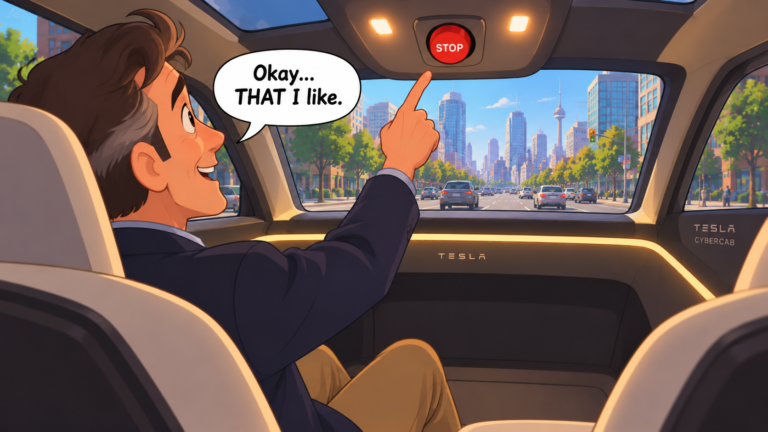
Giving customers a way OUT can make them more willing to get IN. Tesla‘s new Cybercab has a physical Stop button mounted between the dome lights. Press it and the
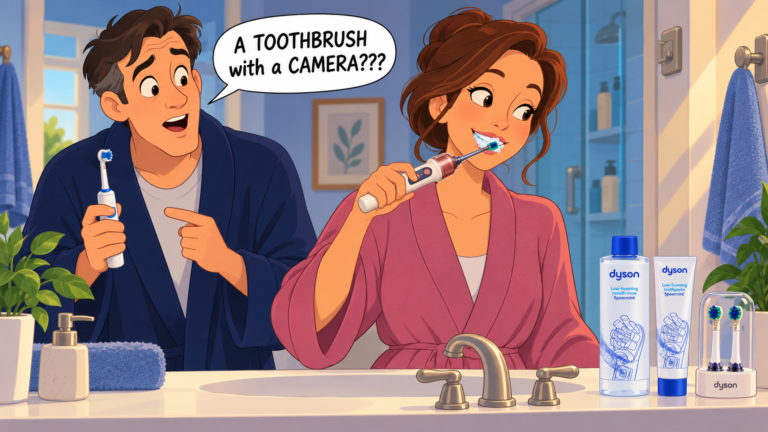
The $499 CameraJet toothbrush is absurdly over-engineered. Dyson’s intense new ad makes that the whole point. When I first saw Dyson’s new CameraJet, I thought it looked sorta like a
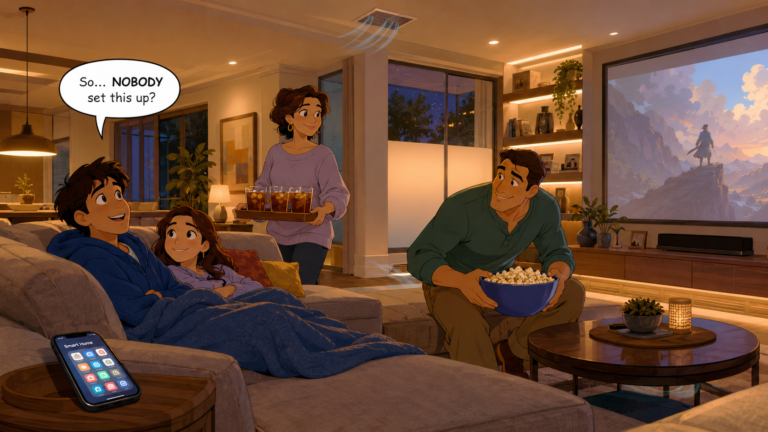
The next smart-home breakthrough may be making the WHOLE house intelligent (and private) instead of adding another device to it. My house is reasonably smart. It also has no frigging
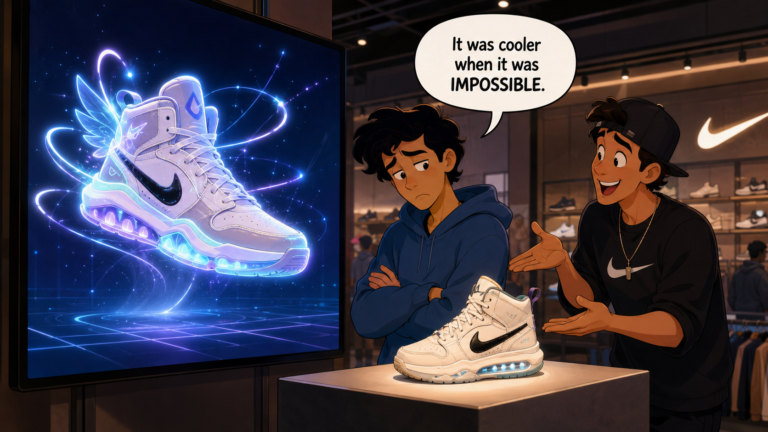
New research shows creating a physical version of a digital product can undermine the qualities that made the original desirable. Imagine Nike releases a virtual sneaker. It’s scarce. It changes
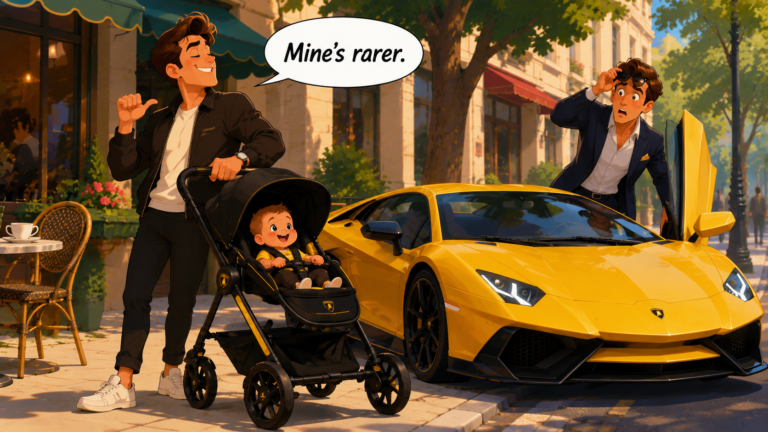
The $3,995 Lamborghini stroller shows what happens when a luxury brand transfers its status, design language and scarcity into a totally different product. Your kid could sport a Lamborghini roughly
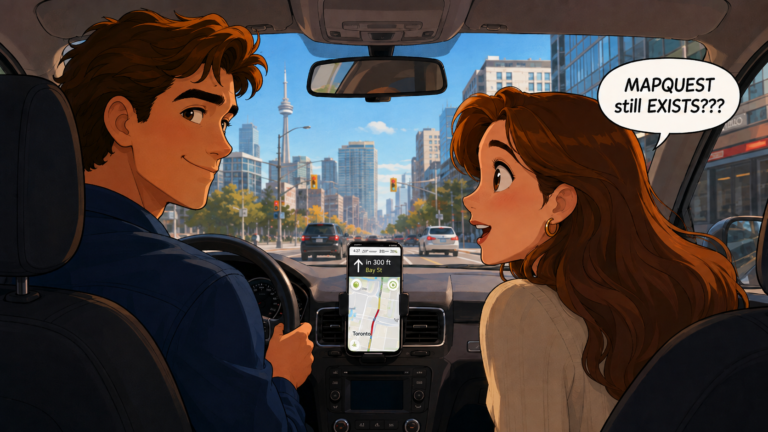
A 30-year-old mapping brand made one choice at exactly the right moment, and suddenly it’s the #1 downloaded app. Remember MapQuest? I used it constantly in the strange little window
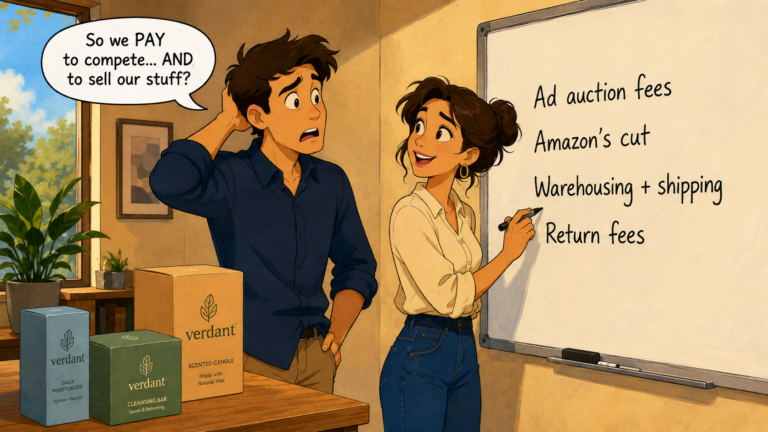
Amazon makes shopping absurdly easy. A new FTC lawsuit asks whether it made competing for visibility unnecessarily expensive. My household is a power-user of Amazon. We love local businesses and
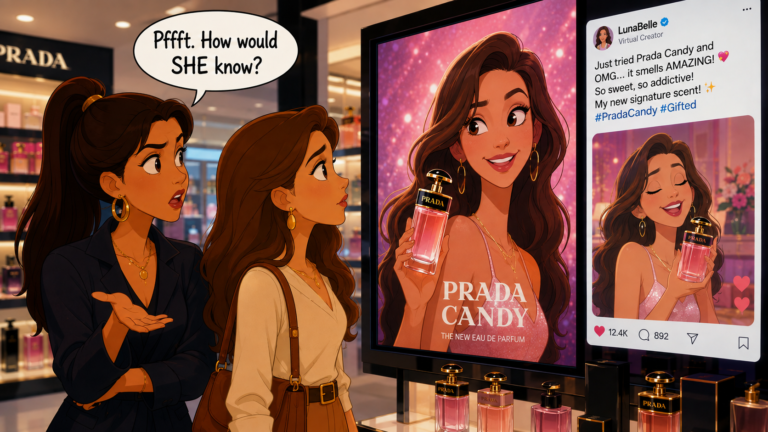
New research suggests AI influencers become MORE persuasive when they stop pretending to be real people. AI influencers are popping up everywhere, from Instagram to TikTok, and brands are investing
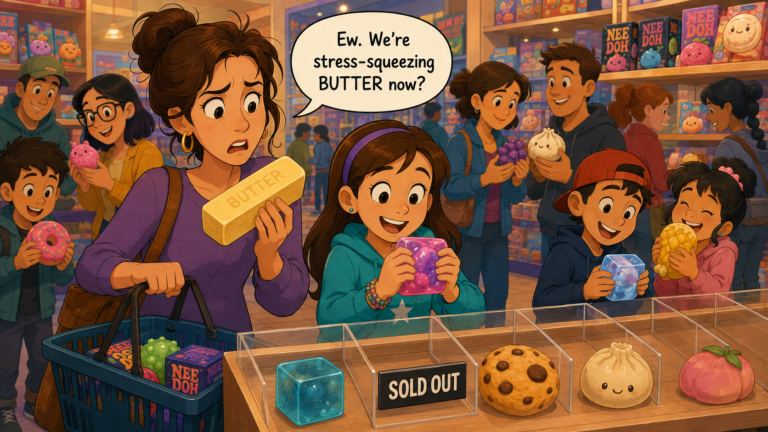
Stress balls are ancient by toy-industry standards. NeeDoh shows what happens when an old need collides with social media, collectibility and a particularly stressed-out culture. Somewhere along the way, the
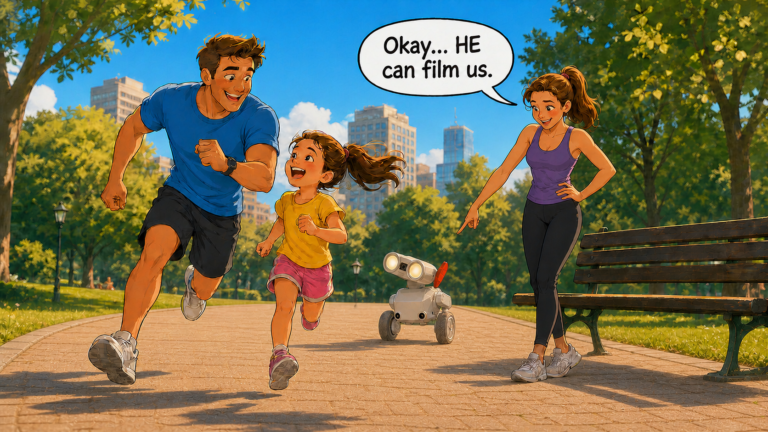
Beni suggests surveillance tech becomes easier to accept when its purpose, personality and boundaries are obvious. I’ve been writing a lot lately about cameras moving onto our bodies. Meta puts
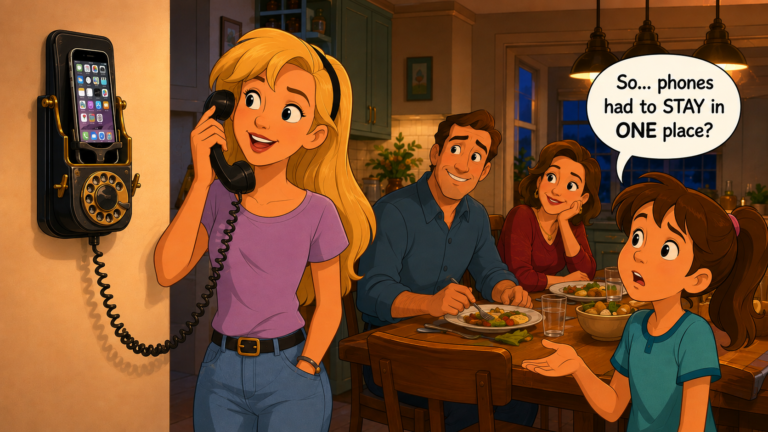
Our increasingly connected lives are creating a new category of products designed to help us disconnect. I grew up when a phone was attached to the wall. That was the