The Canadian Quiet
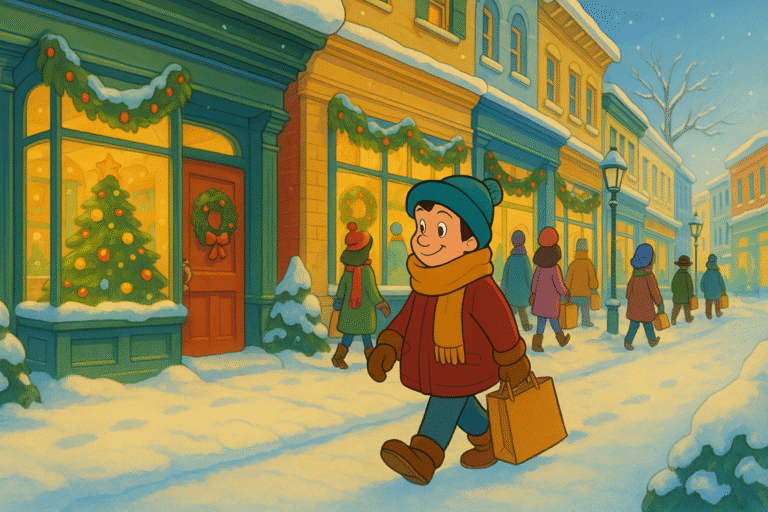
Boxing Day in Canada is a little different: less frenzy, more breathing room. While U.S. readers are still recovering from holiday chaos and reconciling Black Friday, Canadians wake up to

Boxing Day in Canada is a little different: less frenzy, more breathing room. While U.S. readers are still recovering from holiday chaos and reconciling Black Friday, Canadians wake up to
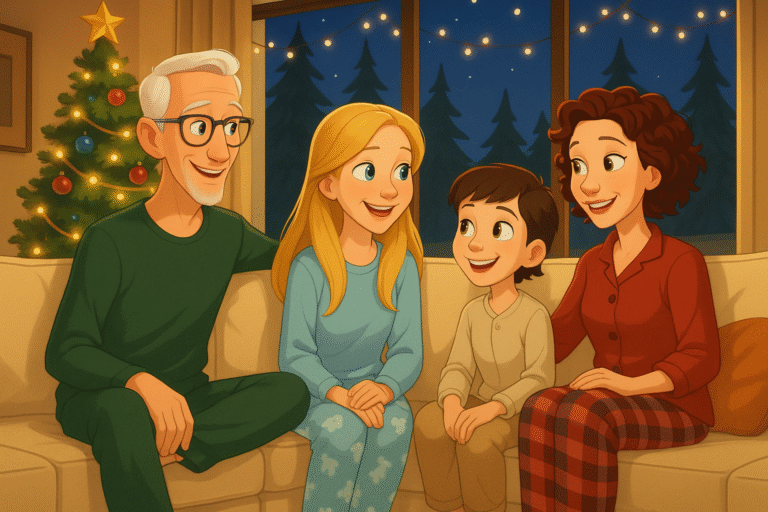
Today, the world feels busy…but we don’t have to be. For those who celebrate it, today is the most product-full day of the year. There’ll be new things unwrapping. And
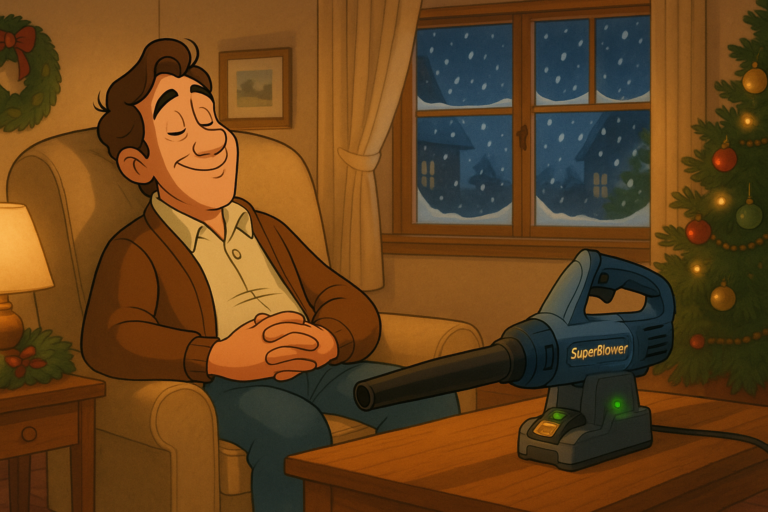
Relief is one of the strongest buying triggers and TODAY is the perfect day to study it. There was an old Rolaids ad campaign that used to drive me nuts.
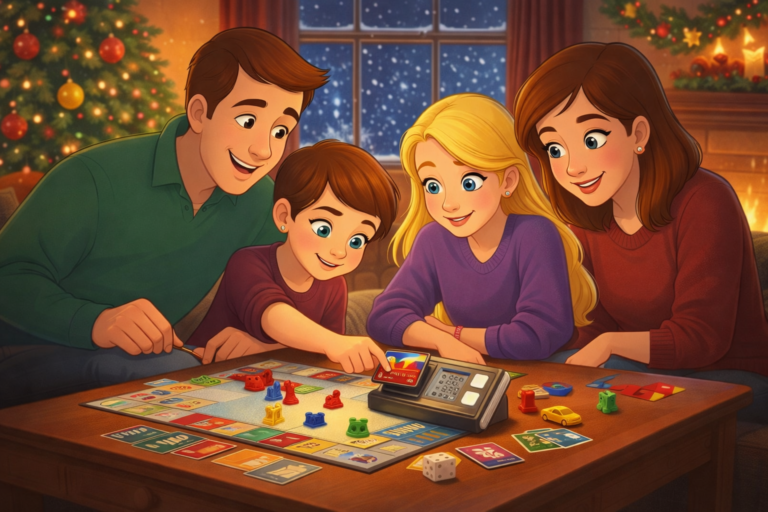
You know a shift got real when a “timeless” product finally gives in. I like me a game of Monopoly. My girls do too. So I had mixed feelings when

The person buying your product may never use it. For many products my team and I work on, we deliberately create a separate “gift buyer” persona. You can see these
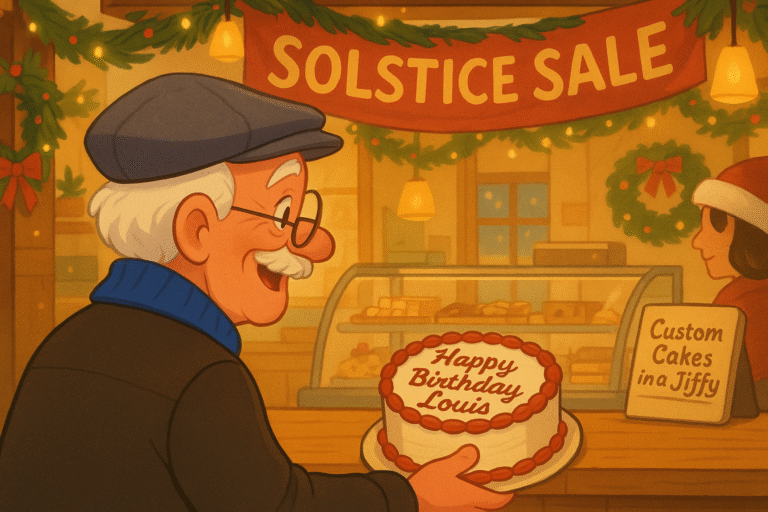
On the winter solstice, it’s not that the world gets heavier … but we have less bandwidth to carry it. December 21 has always meant something special to me. It
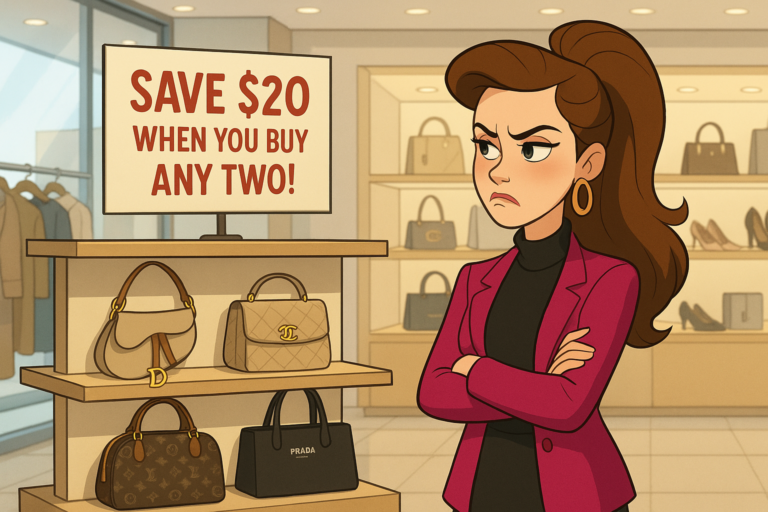
Small discounts feel pointless, which is why uncertainty often outperforms them. A new set of experiments caught my attention because the pattern was so consistent. When the discount is tiny,
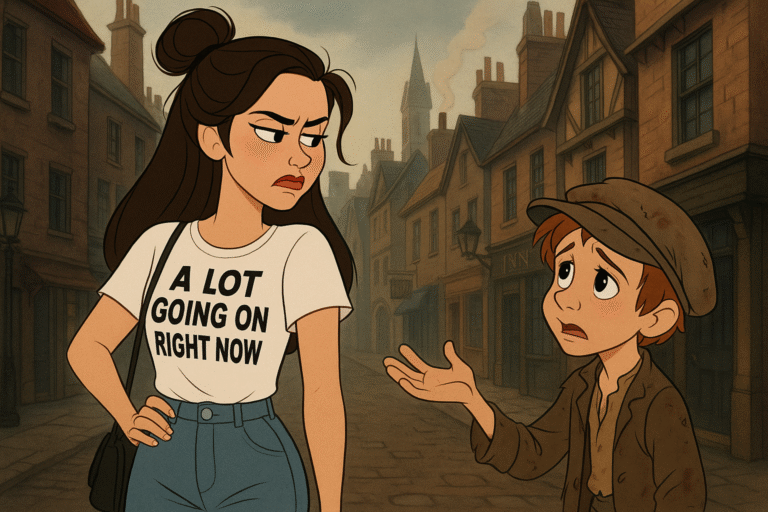
We use the word “need” so casually that we forget how radical its evolution has been. A few days ago I wrote about how most needs aren’t needs at all.
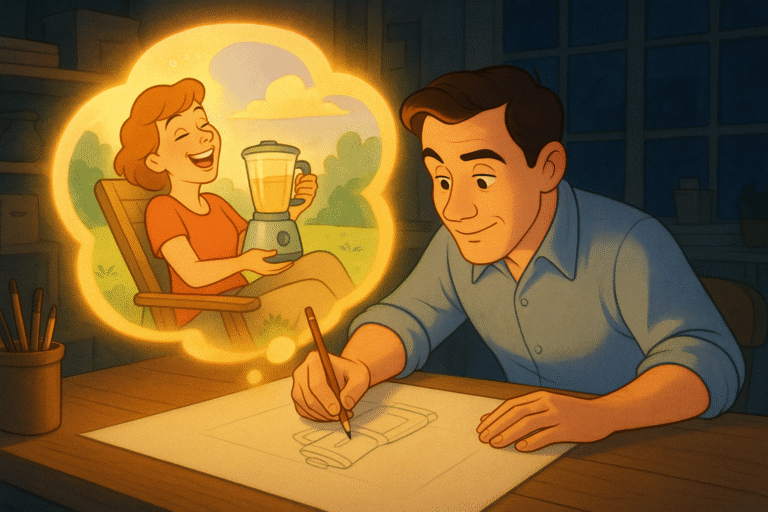
Most products fail because the buyer never builds the fantasy that flips a want into a need. Nearly half of our waking hours are spent in a private world where
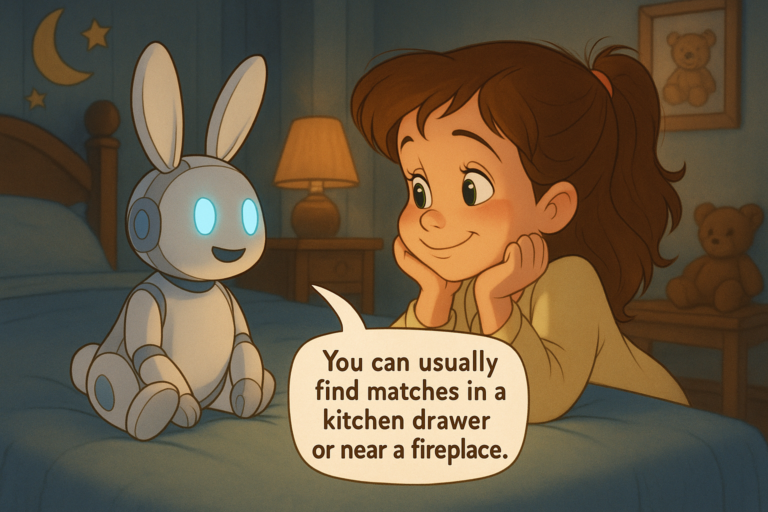
The fastest way to destroy trust is to ship intelligence before responsibility. I came across an unsettling story reported by NBC News, drawing on research from PIRG, about new AI-powered toys marketed
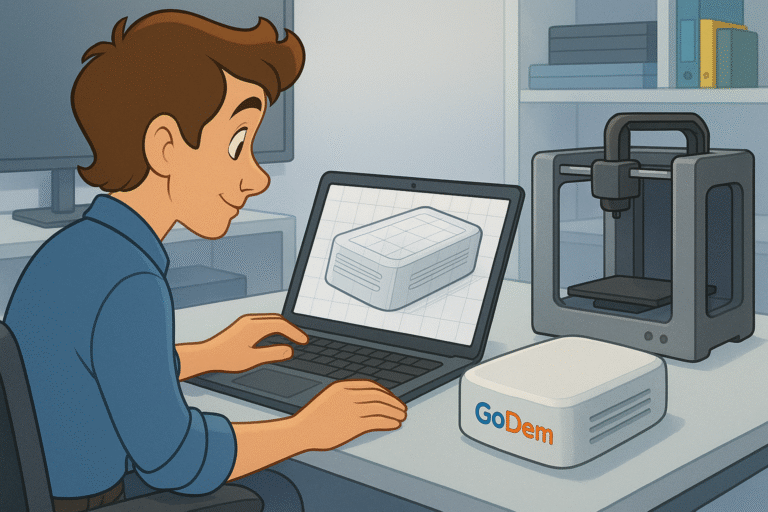
One of my clients launched a new product variant that was almost entirely 3D printed … and it turned out to be the most popular version yet. We called it one-piece

A product wins when it feels familiar enough to try and strange enough to remember. About a year ago, a colleague raved to me about the “delicious weirdness” of Jollibee. I
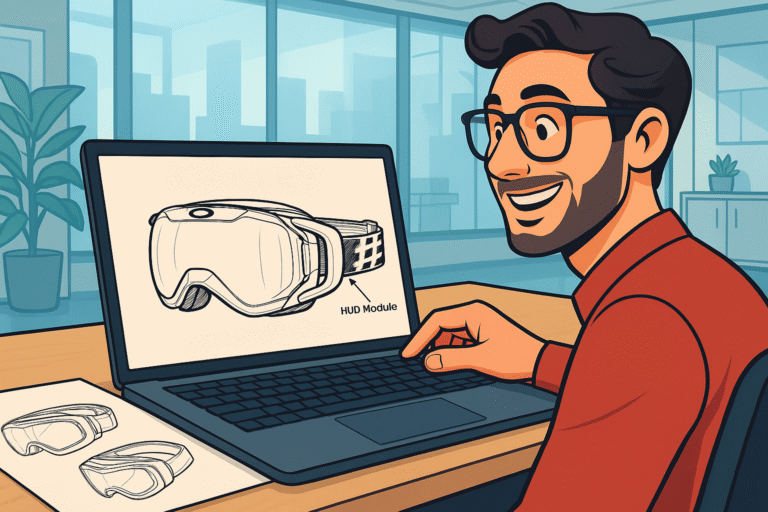
Oakley isn’t just making eyewear anymore … it’s building a platform for the future. I bought my first pair of Oakley Pilots in the ’80s, watching Greg LeMond win races like the Tour de
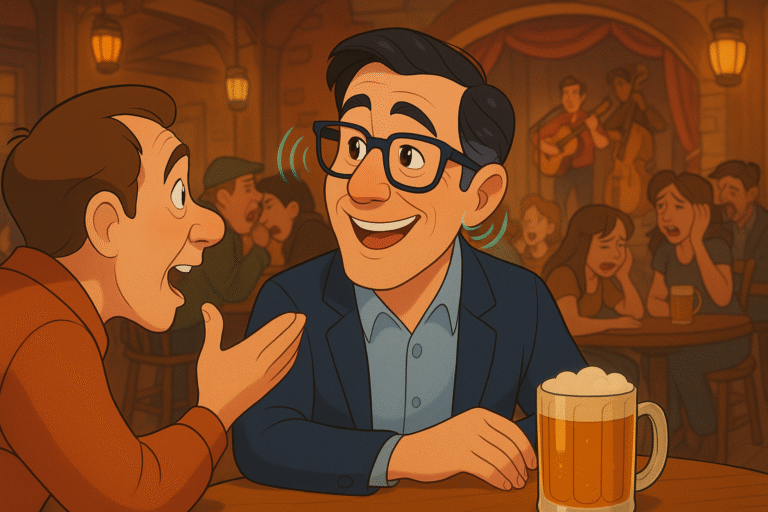
Nothing harms quality of life more quietly than untreated hearing loss … and stigma keeps too many people from getting help. I was reminded of that when I came across Nuance
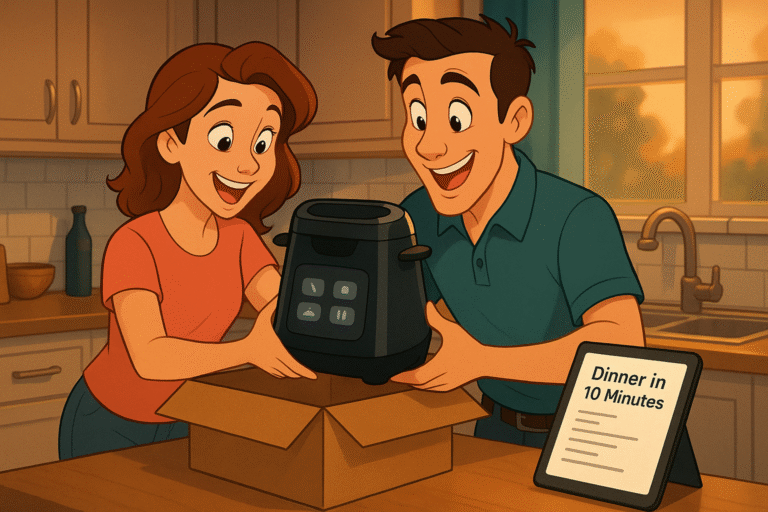
When a product feels too futuristic, people hesitate. They may love the idea, but can’t picture using it yet. A new study found that for highly novel products, future-focused or abstract
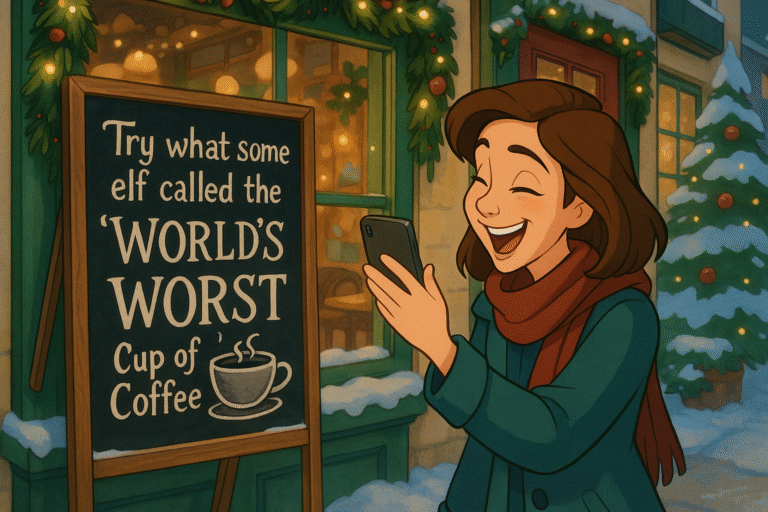
The science is clear: when your brand gets hit with an unfair insult, using it can make you look more confident … and boost your results. A June 2025 study
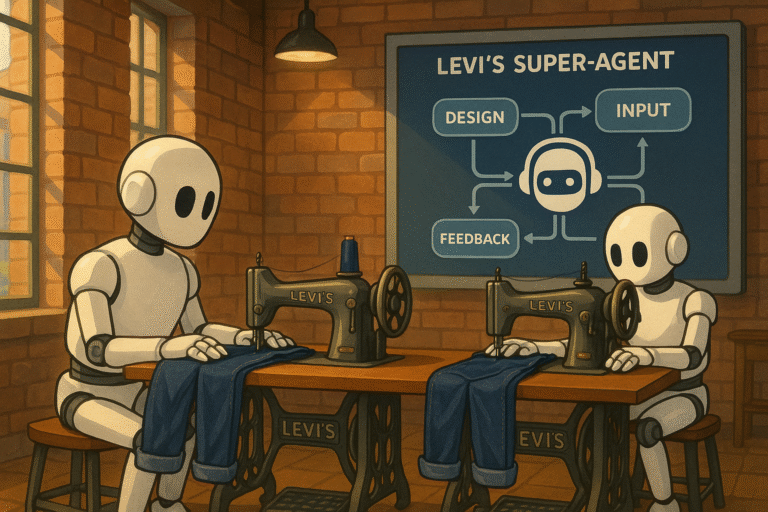
I once watched Levi’s jeans being made by hand on a factory floor. Today the company is gearing up to run its global operations with an AI super-agent. Years ago
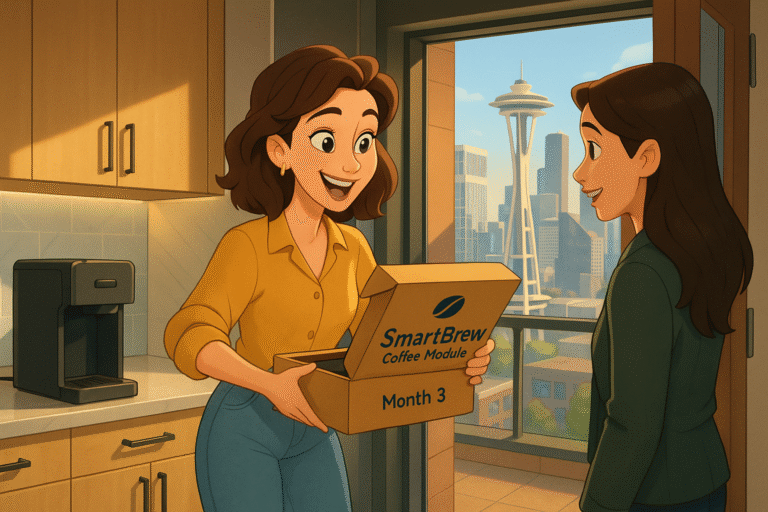
The future of tangible products isn’t one-and-done. It’s ongoing. A new Juniper Research report projects the subscription-commerce market will pass US $700 billion, combining physical goods and services. At IFA 2025, hardware brands followed
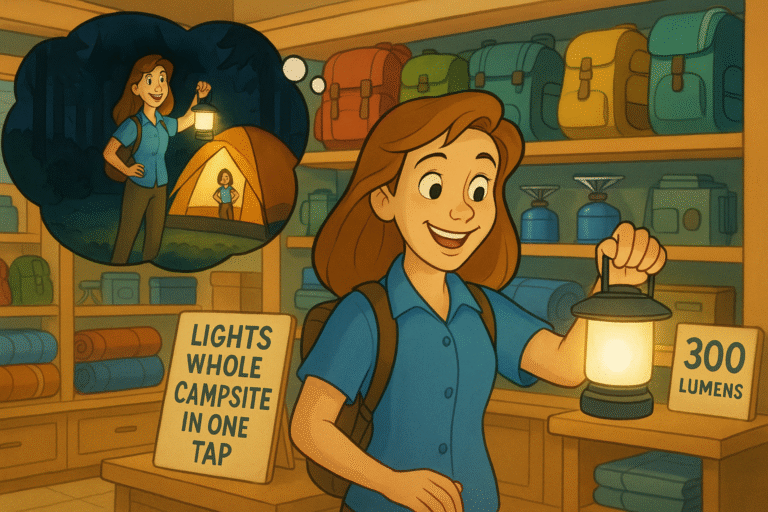
Buyers get excited when they picture outcomes. A 2024 Journal of Retailing study found that when products are categorized by benefits rather than attributes, people imagine themselves using them more vividly. That mental imagery
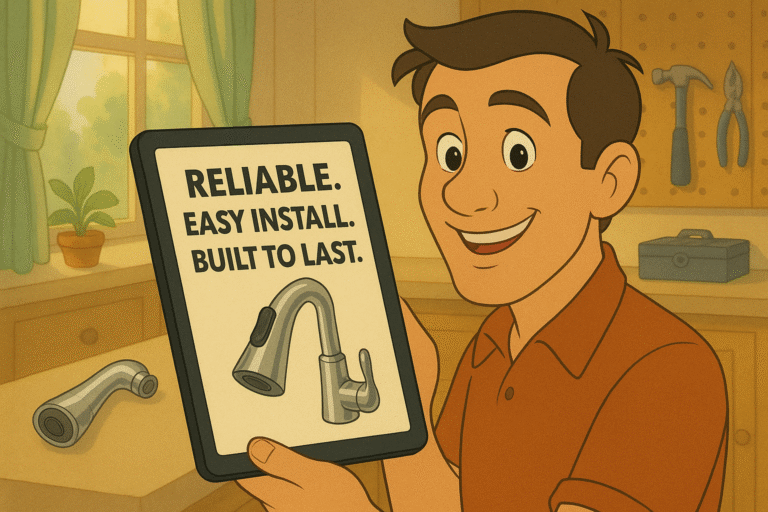
More buyers are replacing what broke than upgrading what works. And that changes how you should position your product. Recent data from Hardware Retailing shows a shift in home-improvement and consumer durables:
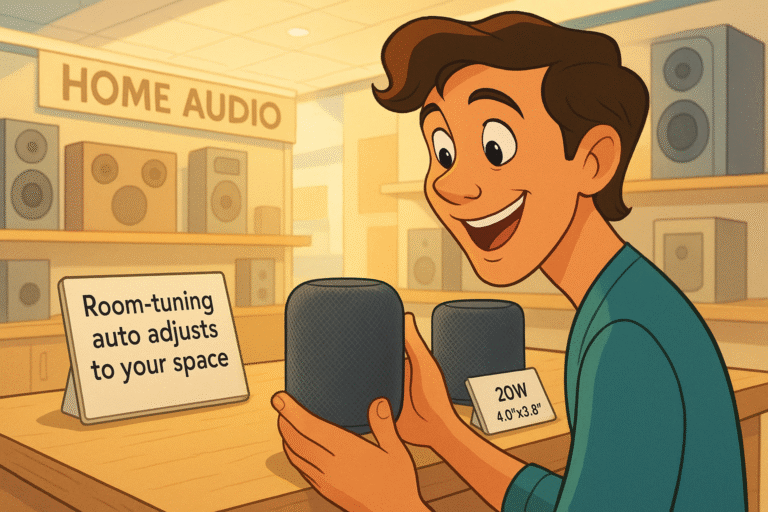
No matter how much money someone has, they still need to feel they’re getting a great deal. You.Me.The wealthiest lady in town. We’re all careful with money … just for
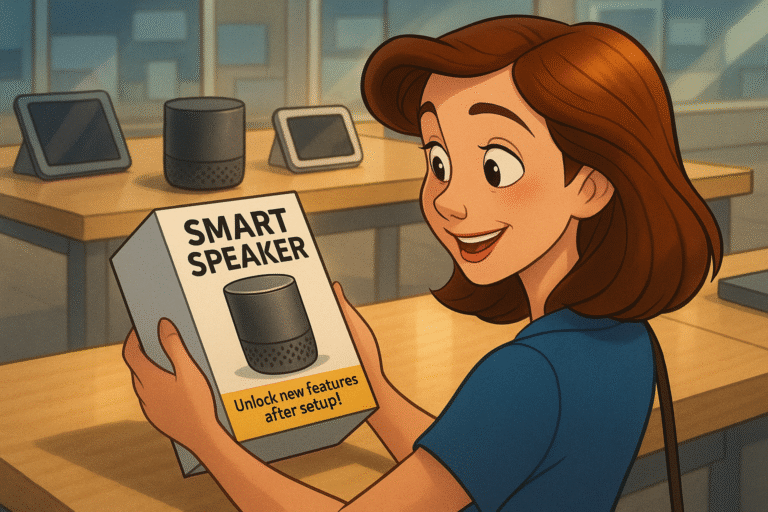
A little uncertainty makes people more likely to buy. A study in the Journal of Consumer Psychology found that when shoppers feel low control (like when choices are overwhelming) mystery increases interest.
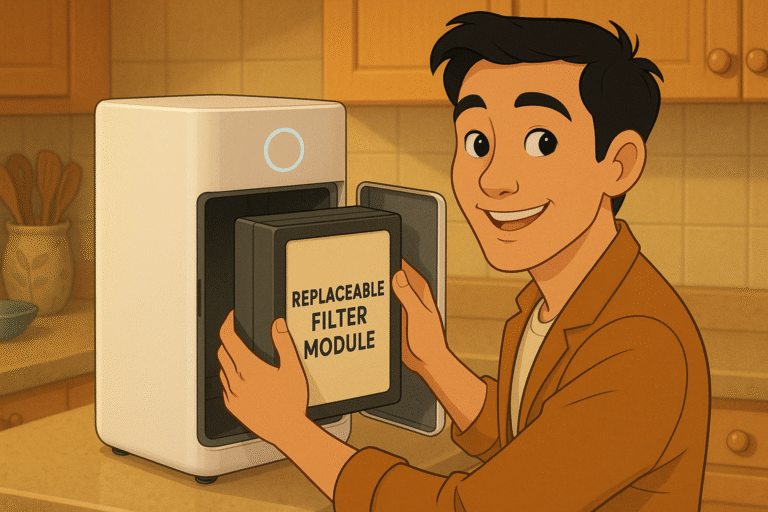
Customers are favoring brands whose parts are easy to upgrade and replace. An EE Times report highlights an intriguing shift in consumer electronics: brands that design for repairability and modular upgrades are seeing
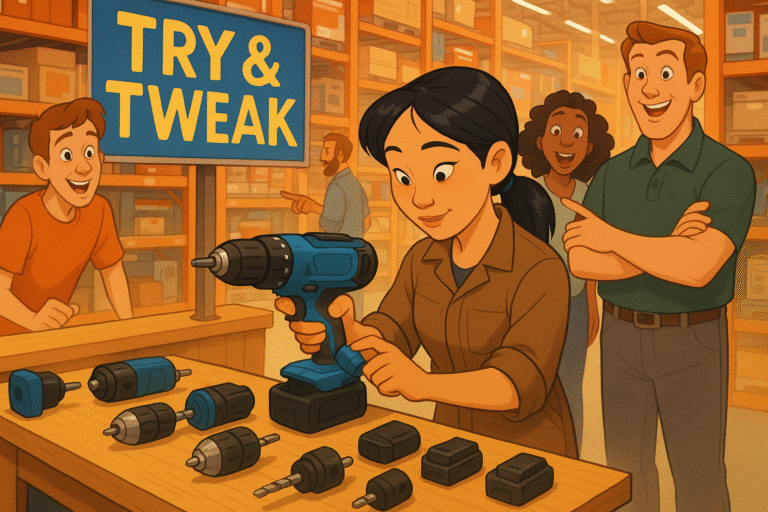
More retailers are discovering that the best product feedback happens before the sale, not after. Heading into 2026, retail-hardware trends, physical stores have been shifting from “places to buy” to places
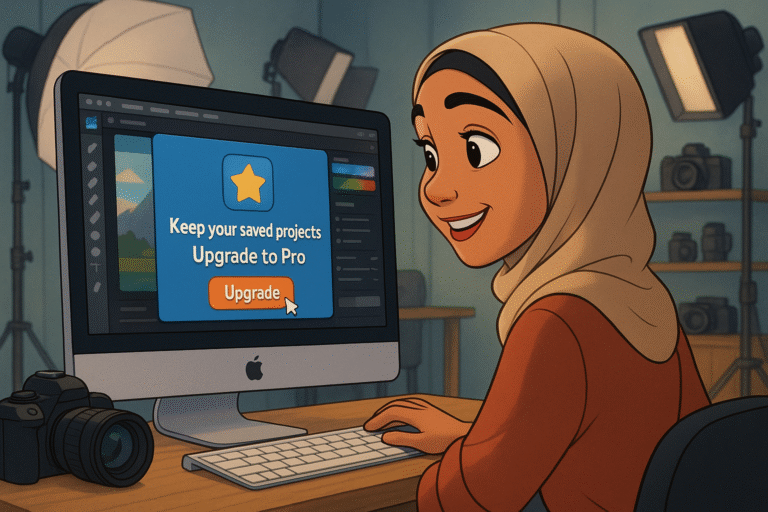
People pay to keep what they feel is theirs more readily than to gain something new. A Journal of Consumer Psychology study found that when users feel even symbolic ownership of an
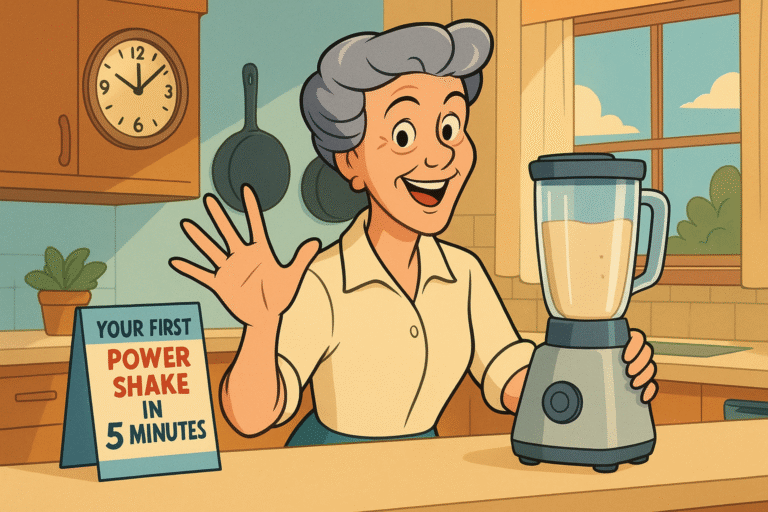
If a user succeeds once, they’re far more likely to stick around (and tell others). Behavioral science keeps proving this. I wrote last week about how future-focused or abstract messaging actually
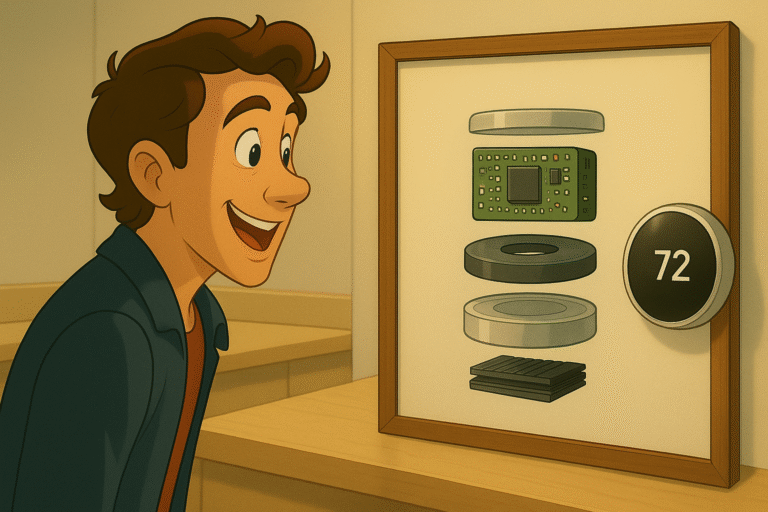
Buyers don’t automatically trust what a product does. They need to know HOW it does it. A 2025 MIT/Wharton experiment found that when companies reveal how an output is generated (even if the explanation
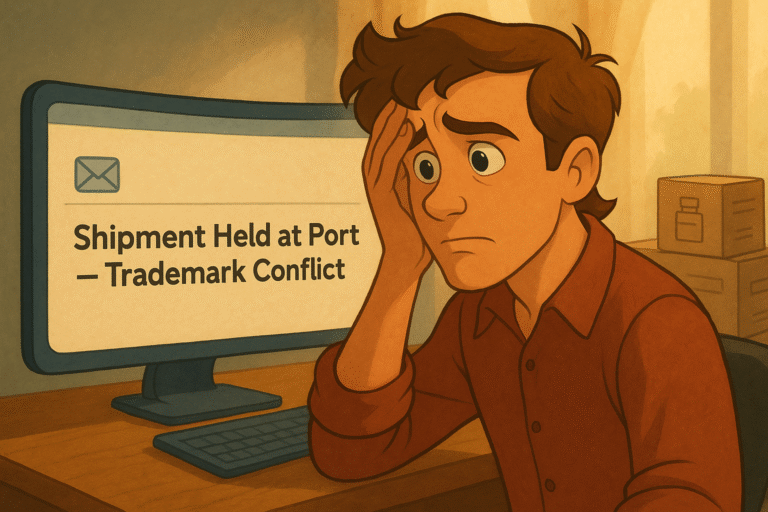
If you manufacture in China but don’t sell there, you may think you’re safe. You’re not. A surprising number of product makers assume their trademark protects them globally. But it
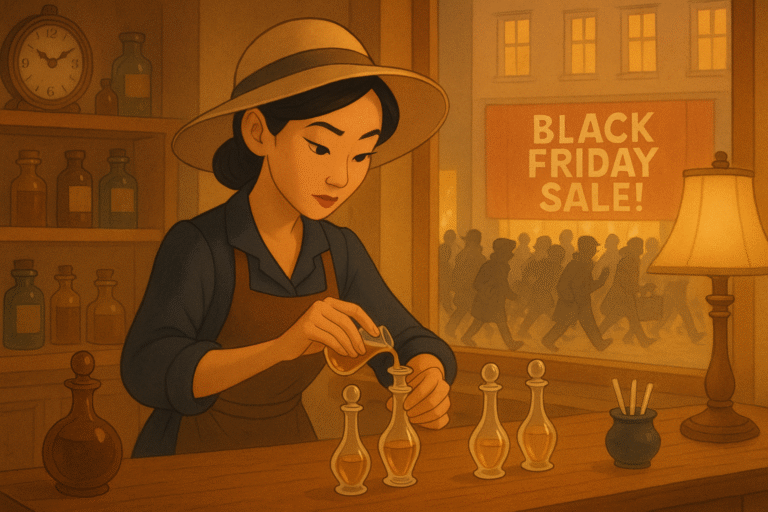
Last year’s Black Friday broke records. But for most makers, it’s not make-or-break. Here’s what happened in 2024: U.S. online sales that day hit $10.8 billion, a 10.2% increase over the

Gratitude is the antidote to almost everything negative … and the fuel behind everything constructive. Happy Thanksgiving to all my American readers! It’s a day when brands blast out thank-you
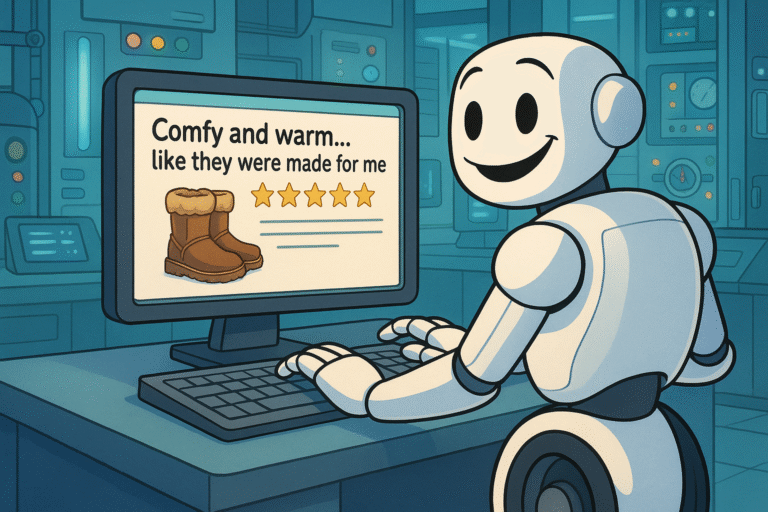
Authenticity just became an even bigger selling feature. A 2025 arXiv study found that people (and even AI tools) can only tell fake product reviews from real ones about half the time. That’s
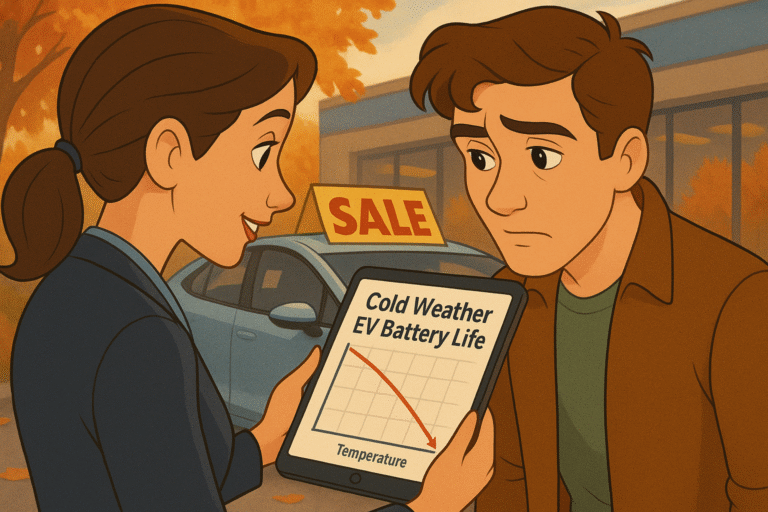
The most persuasive thing a brand can say is the truth that stands to hurt its pitch. I was surprised to read this in an email from Backblaze, the cloud backup

Haptics just jumped from niche tech to Costco shelves, and that changes everything. I recently wrote about the haptic F1 movie trailer you could feel through your phone. And then Costco handed
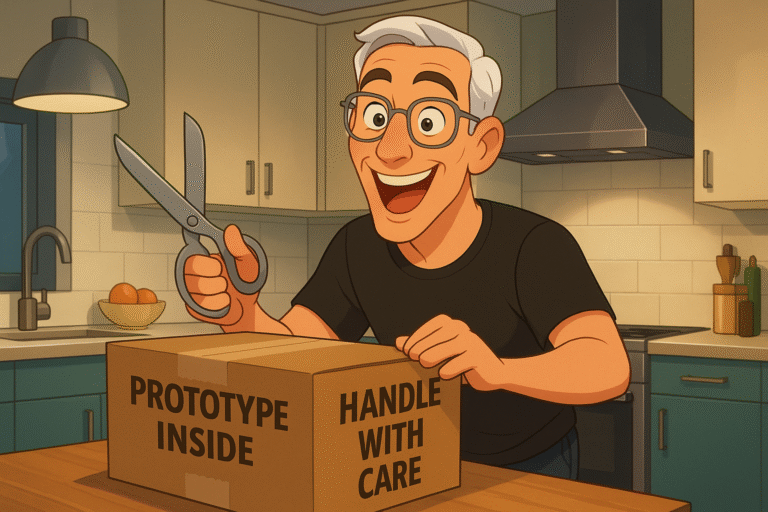
The moment you touch a new product, the story you’ve built in your head gets rewritten. I’ve been eagerly waiting for the prototype of a product I’m helping launch. Even
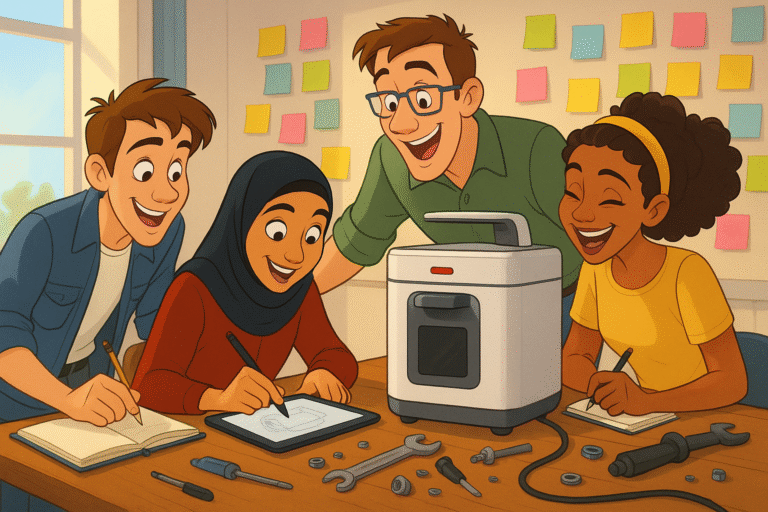
Big innovation rarely comes from big teams. Every startup founder dreams of becoming HUGE. But a recent Forbes article found that the most successful consumer brands are scaling innovation through micro-teams. Those are
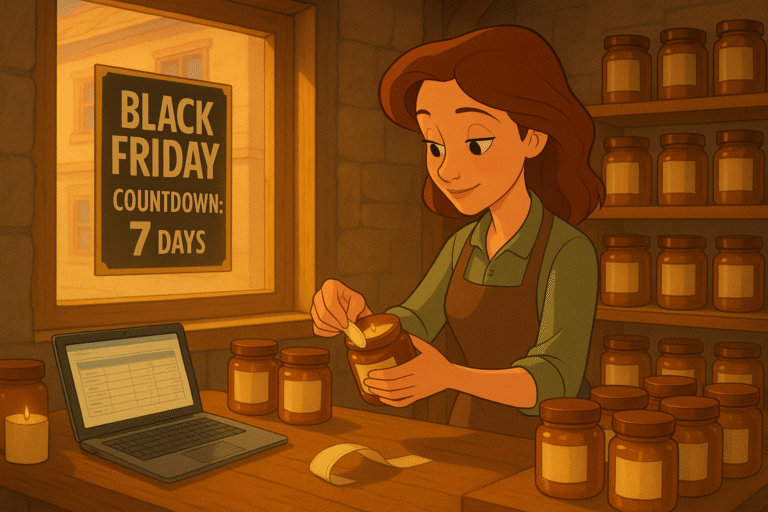
Seven days out, plan to make buying and fulfilling easy, and to avoid torching margin. Black Friday is ridiculously stressful for many product makers. It doesn’t have to be. Decide

If people don’t assume your product is high-end, delaying the price reveal can be an unpleasant surprise. Startup founder Dwight in San Diego wrote in response to my post about
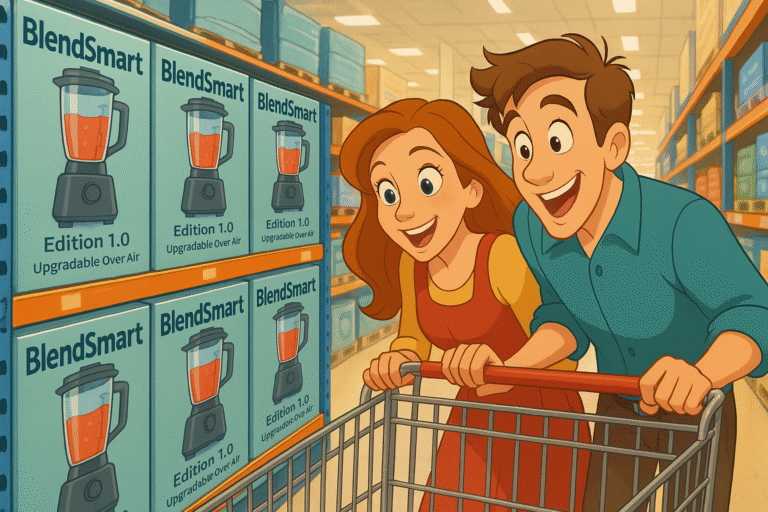
In product innovation, speed-to-market now outperforms scale. A new Siemens report found that the consumer goods brands winning today aren’t the ones launching more products. Nope. They happen to be the ones launching products faster.
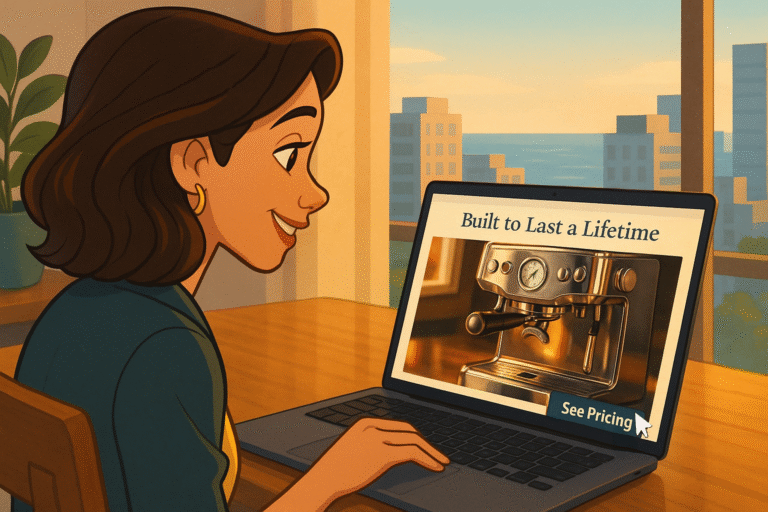
If buyers expect your product to be expensive, making them wait for the price can make them want it more. New research in the Journal of Consumer Research shows that when shoppers
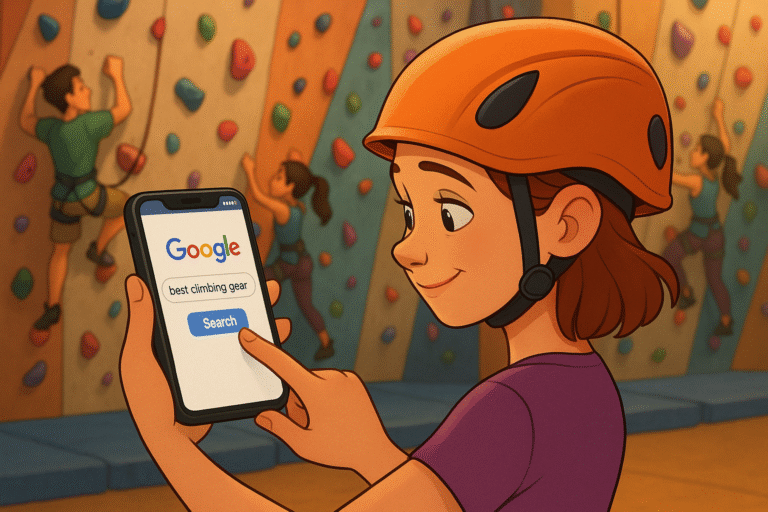
You remember old phone numbers but not the client you called yesterday, because your brain lets Google do the storing. Here’s an oddity: I can easily recite the land-line numbers
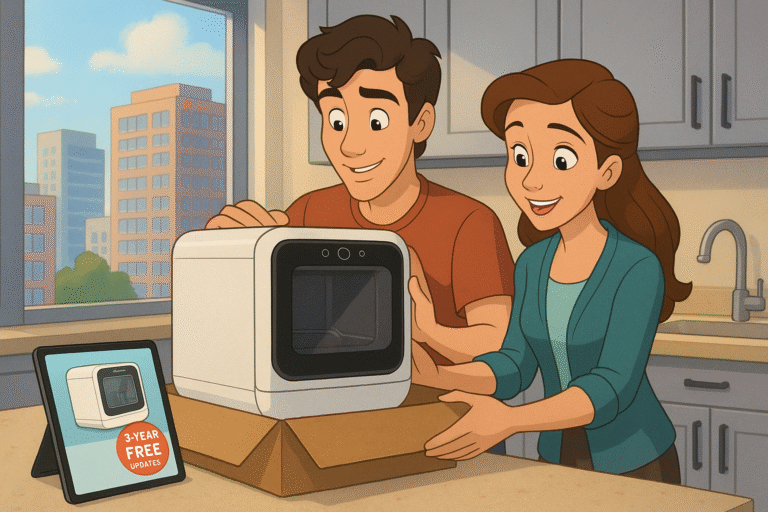
At this year’s IFA in Berlin, the smartest upgrade was not hardware. It was longevity. Samsung led with products like its Bespoke AI Dishwasher, promising years of software updates and smarter maintenance.

Too many choices can quietly kill your conversion rate. I’ve written plenty about how Costco increases sales by reducing choices. A new wave of research from UCLA Anderson Review and lseee.net shows that even three options
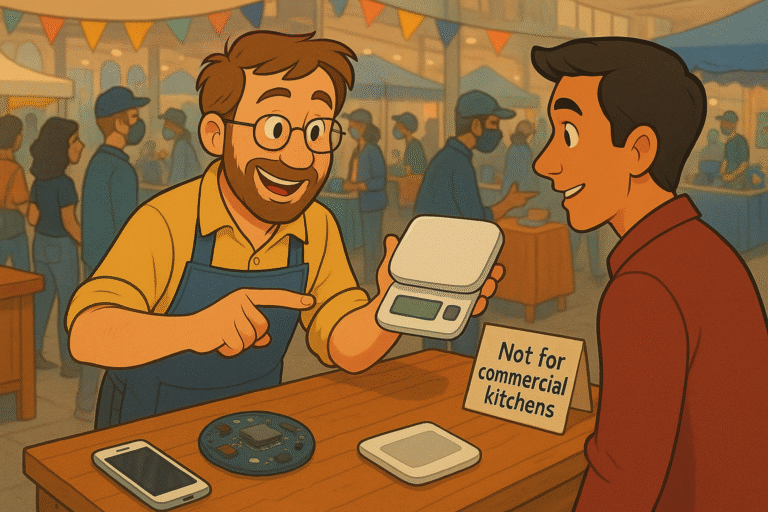
The fastest way to build trust might be telling buyers what your product won’t do. New 2025 research on brand transparency shows something neat: When brands clearly state their limits,
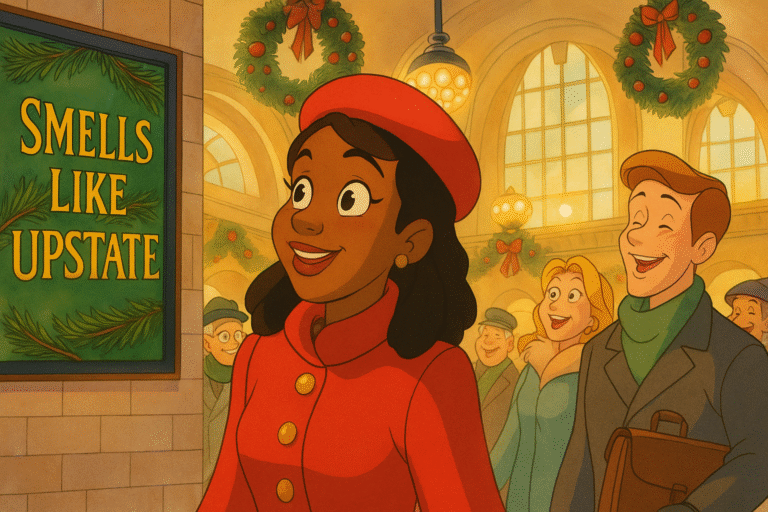
Turning Grand Central Station into a pine forest might be the best sensory play of the season. Bath & Body Works is running a campaign that makes parts of New
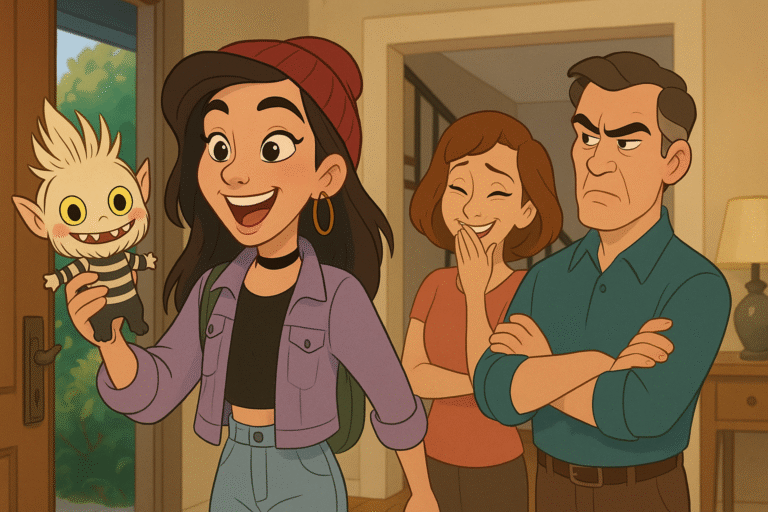
The most polarizing products sometimes become the most profitable. A super-creepy doll.A blanket with sleeves.A pen “for women.” All ridiculous … until you see the sales numbers. None of them
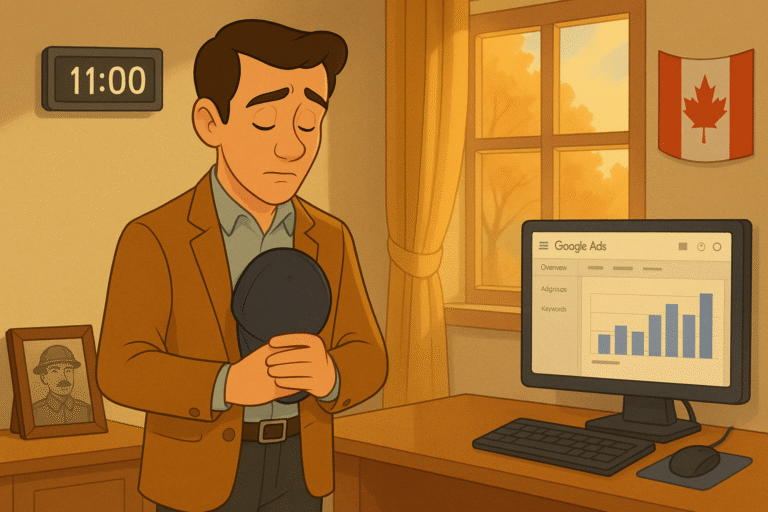
In life and in marketing, silence is one of the most poignant signals there is. Every year on November 11, I stop what I’m doing at 11:00 am. That two
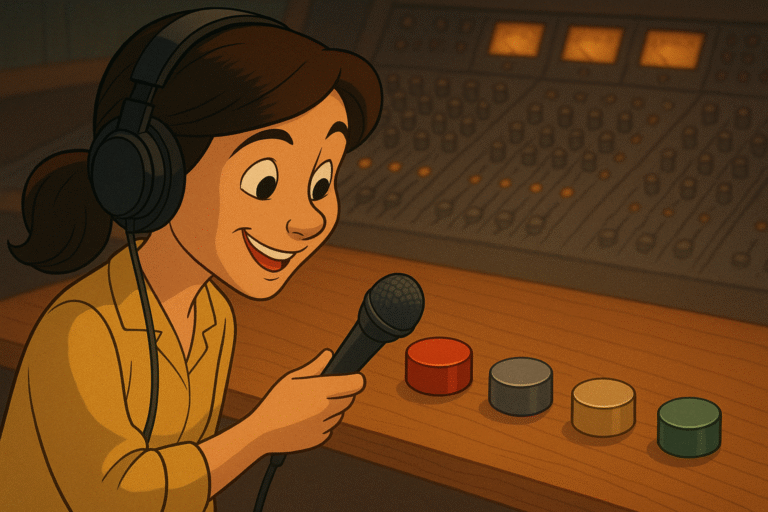
Your product’s sound shapes trust faster than your logo ever could. The best brands know: sound is feel, presented as audio. The soft, sure “thunk” when a car door closes.The whispery

Don’t stop at solving problems. Evoke wonder! Recent research shows that awe is more than a feeling. It’s a cognitive reset. It widens perception, opens people to novelty, and deepens emotional attachment.
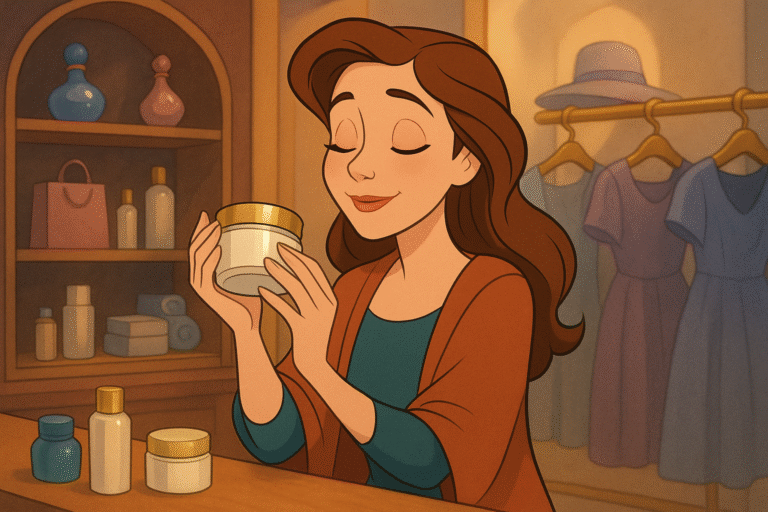
Before a buyer reads the label, they’ve already judged your product by touch. A new design study confirms what great makers have always felt intuitively: the visual–tactile properties of materials significantly shape
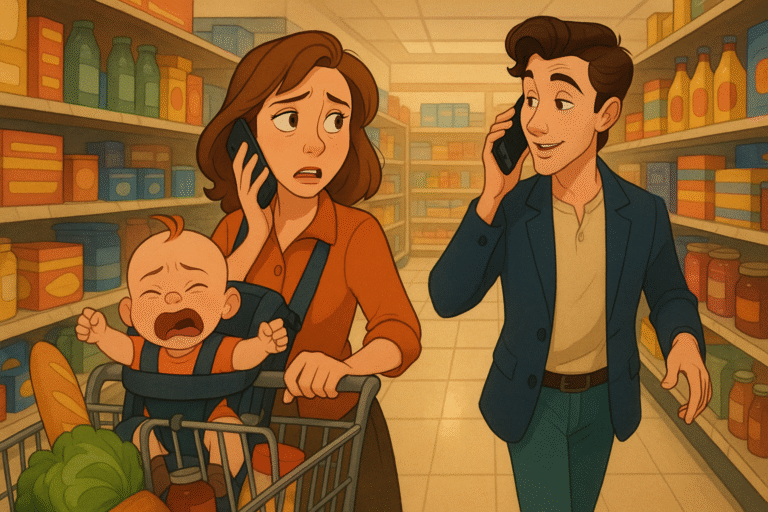
Your brand only has two seconds to earn a glance. On a good day. A new deep-learning study on visual attention in packaging found that logo placement, orientation, and even nearby faces