
When a category disappears, it leaves behind memories. And new opportunity.
I have piles of memories tied to frozen cylinders of juice.
My first lemonade stand.
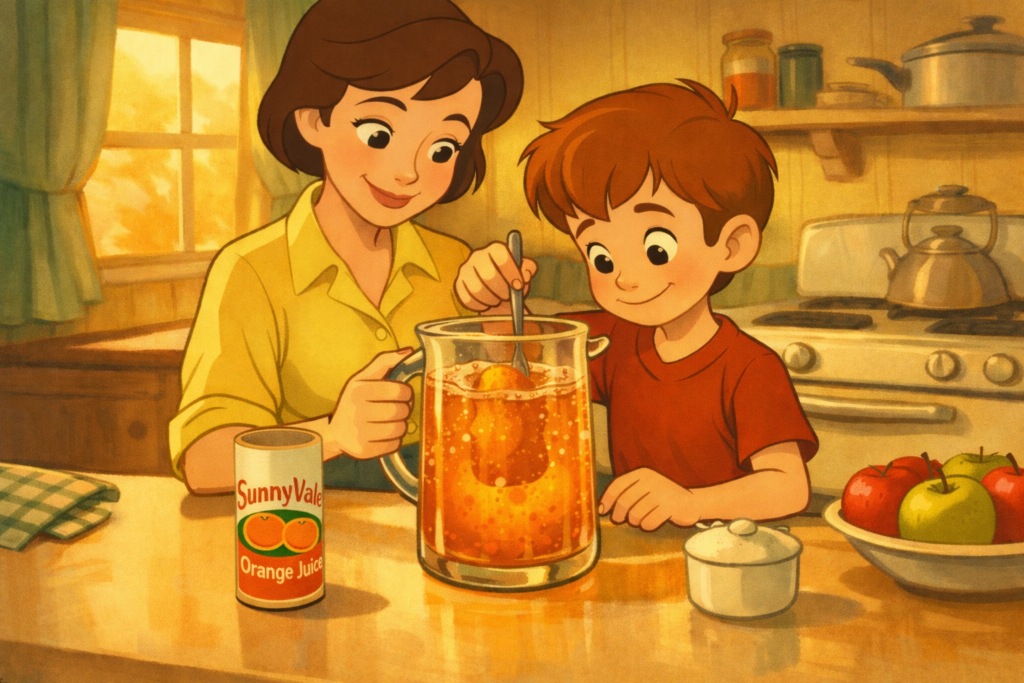
Stirring and stirring in the kitchen or on a picnic table until the icy block finally dissolved.
Later, keeping a tube in the freezer for making orange sauce … or just the comfort of knowing fresh-tasting juice was always available.
We have not bought one in years. Over a decade, for sure.
Now Minute Maid, owned by Coca-Cola, is discontinuing frozen concentrated juice in Canada and the U.S. Other major producers exited earlier.
Between brand names and store brands, the category is effectively gone-zo forever.
On paper, this looks like simple decline, right?
Demand fell as preferences shifted. And the product reached the end of a nice, long lifecycle.
That is all true. It is also incomplete.
Frozen concentrate was once a cultural center.
Wartime invention.
Postwar optimism.
Bing Crosby selling the idea of modern abundance, Minute Maid style. (Check it out. Amusing and very nostalgic.)
It taught people how to mix, wait, and participate.
But what killed it was not simply nostalgia fading.
It was stasis.
While beverages evolved around health signaling, function, convenience, and identity, frozen juice stayed the same.
Same ritual, same old promise. Same sugar math.
When both premium and generic versions exit the store, it means the format stopped earning attention.
But here’s the good news: disappearance creates whitespace.
Only seven per cent of juice sales were frozen concentrate. But that’s still LOTS of juice consumption.
There is still desire for ritual, control, and participation. It has started looking elsewhere.
When a category dies, let’s not ask how to revive it.
We should ask which need it used to serve, and where that need is NOW living.
Want to make your product irresistible? That’s what we do as product marketing consultants at Graphos Product, helping innovators turn need-driven ideas into market-ready successes.