Forget “28 Days to a New Habit”
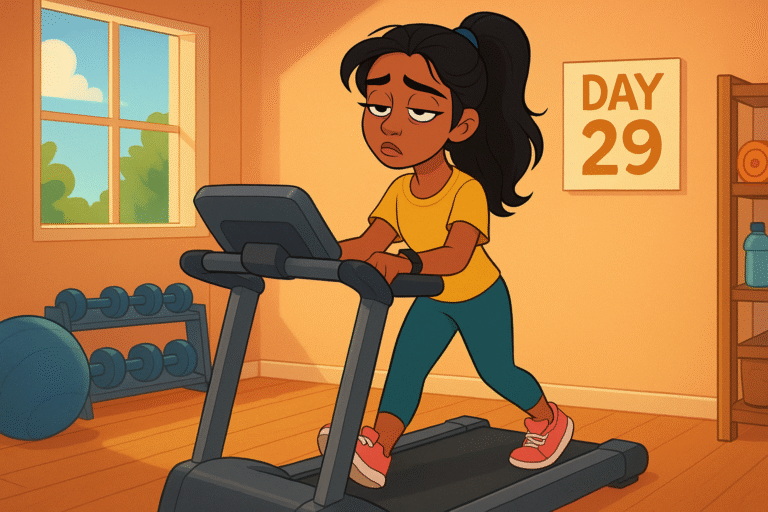
A post by neuroscientist and podcaster Andrew Huberman has been living in my head for weeks. It challenges everything we thought we knew about habit formation. Remember that old wisdom about “it

A post by neuroscientist and podcaster Andrew Huberman has been living in my head for weeks. It challenges everything we thought we knew about habit formation. Remember that old wisdom about “it
May the Fourth be with you! (I don’t care. It’s Star Wars Day, it’s my email, and I’m sayin’ it.) The first time I saw Obi-Wan Kenobi wave his hand
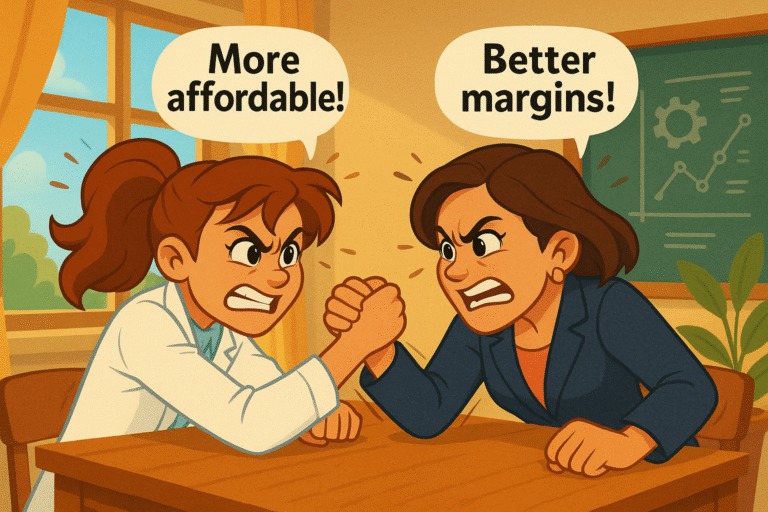
I’m in the middle of a classic startup pricing standoff. A client has developed an impressive new tech product that solves a widespread problem. The solution works beautifully, but now
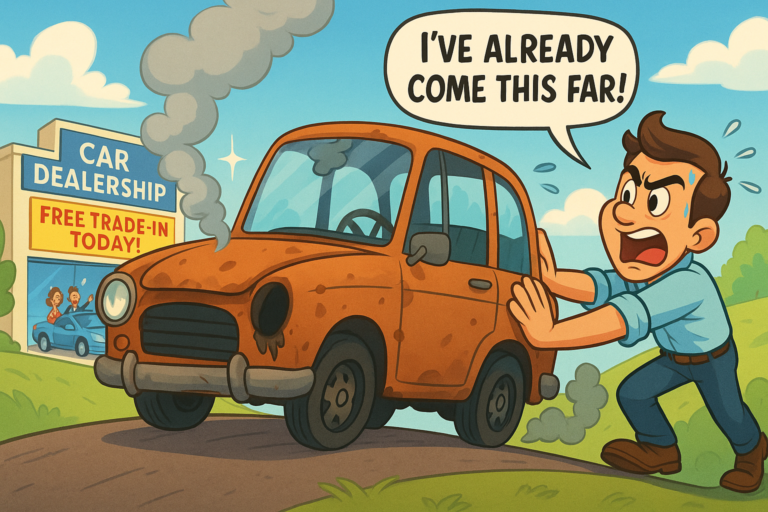
Arielle — a sharp early-stage founder in Montreal and longtime list member — emailed after reading my series on biases: “I’ve read a lot about loss aversion and other status
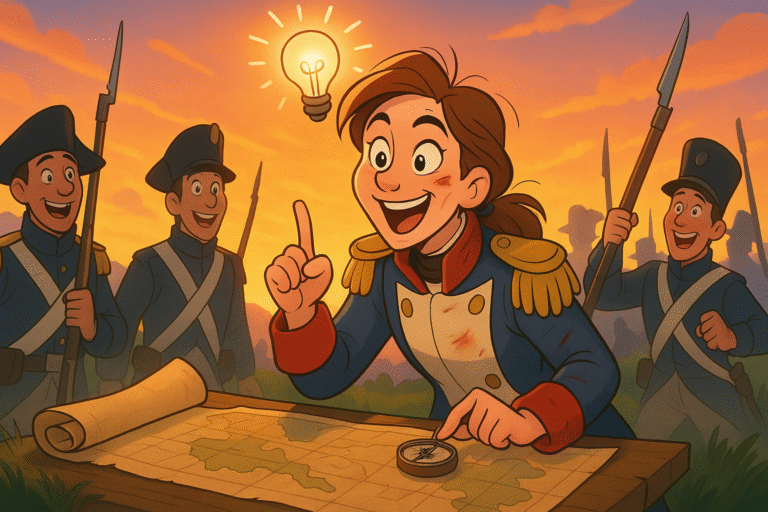
Mayday, Mayday! I’ve got some thoughts to help your month get off to a fantastic start, even if you’ve been losing sleep over the trade war situation. The latest NielsenIQ
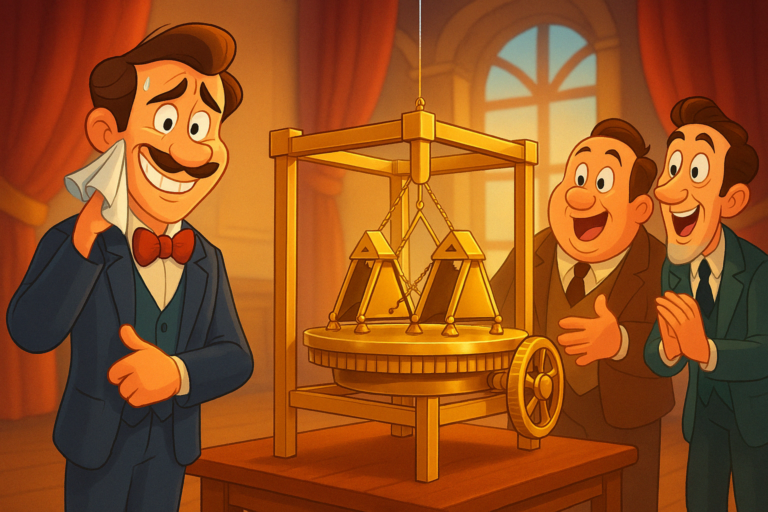
In 1812, Charles Redheffer unveiled what he claimed was an amazing perpetual motion machine in Philadelphia. Crowds flocked to see this miracle of engineering that seemed to operate continuously without any external
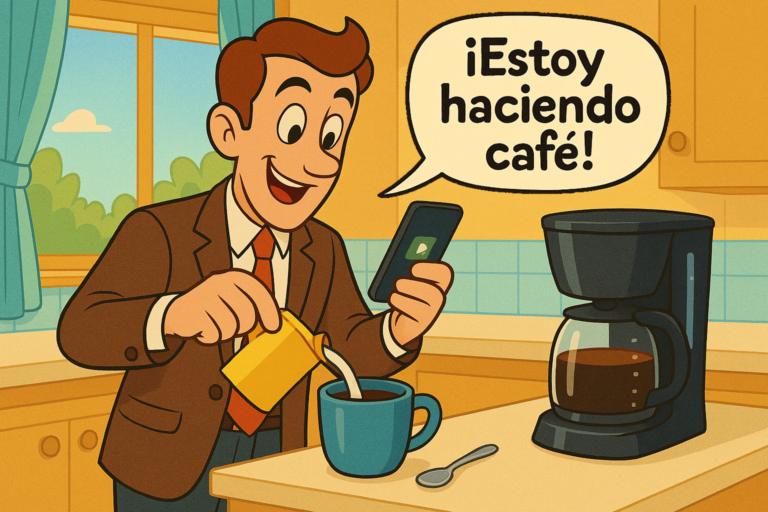
Yesterday I shared how KitKat boosted sales by 33% simply by connecting their chocolate bars to coffee breaks. But there’s a bigger principle here that should have its own spotlight. Psychologists call
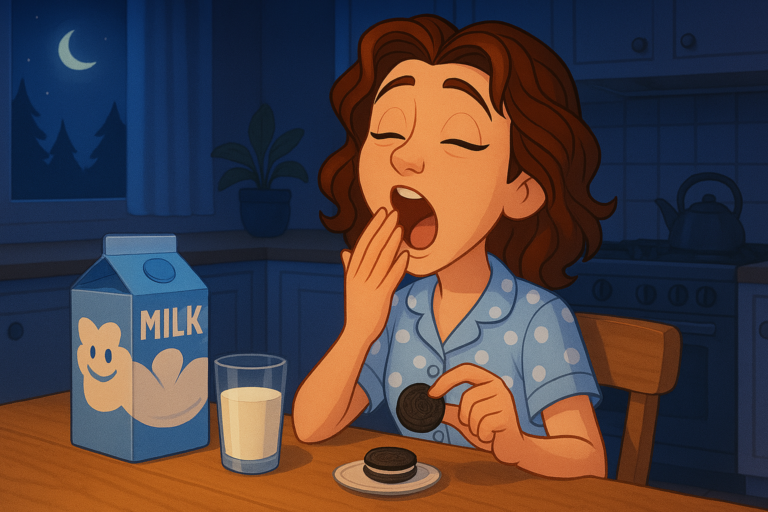
I was re-reading Jonah Berger’s book Contagious on the weekend and stopped at one of my favorite marketing stories. It’s about how KitKat dramatically increased sales by connecting the popular chocolate bar to coffee. “Have a
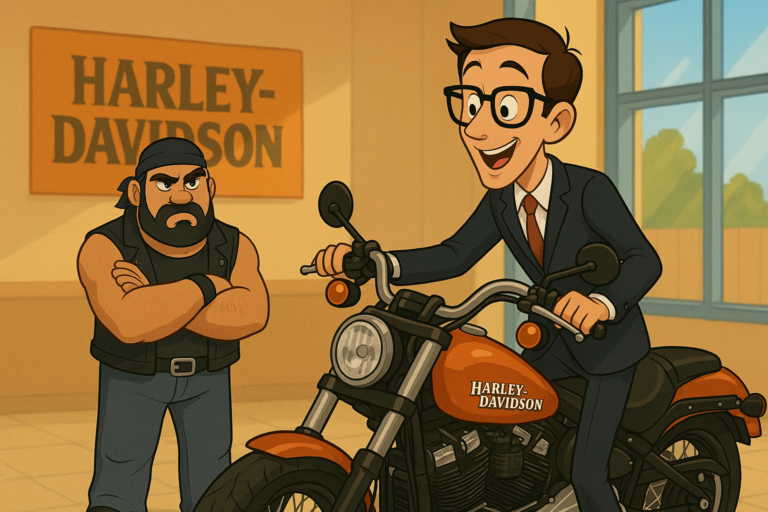
Ever heard of “schismogenesis“? Well, I hadn’t until Seth Godin mentioned it in his blog a few weeks ago. Weeks ago, and I kept thinking about how it affects us as marketers.

I read a story yesterday that reinforced a few important things I’ve been saying about AI in real-world projects. L’Oreal is using Google‘s AI to slash content creation time from

Years ago, a great client taught me something that transformed the way I tackle challenges: Never ask, “Can we do this?” Ask, “HOW can we do this?” The first question
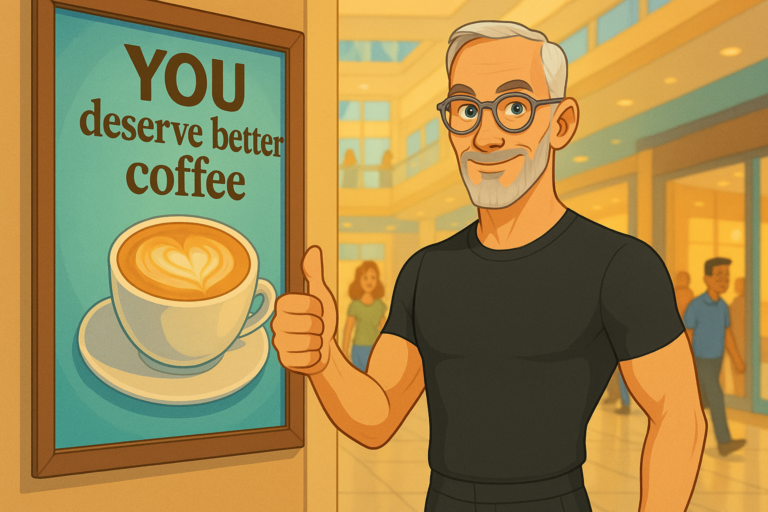
I was walking through a mall yesterday when a poster caught my eye. “YOU deserve better coffee.” Four simple words. No sexy visuals, no celebrity endorsement. Just a direct appeal
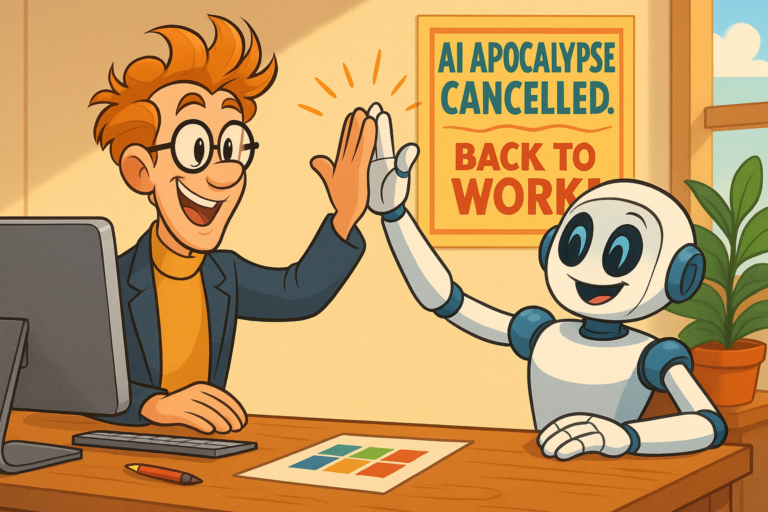
I was just reading some great research that validates what I’ve been preaching for a while now. Procter & Gamble recently partnered with Harvard and Wharton to run a massive
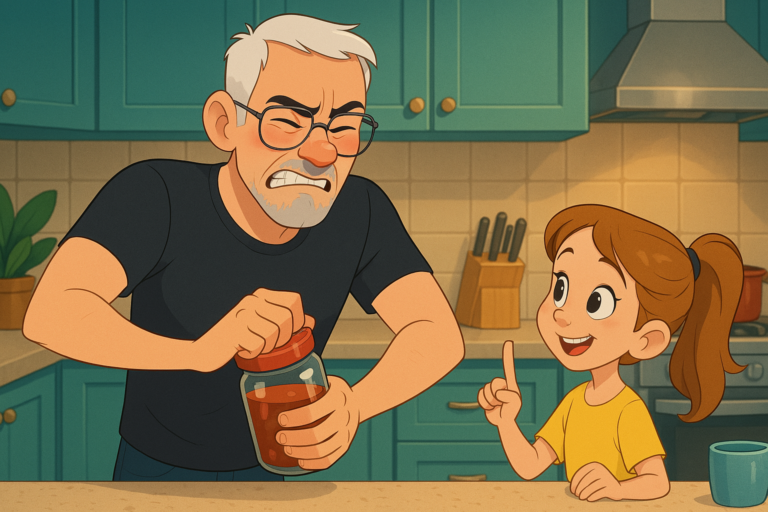
I’m standing in my kitchen last weekend, attempting to open a stubborn jar of home-canned pickles. After the usual routine — tap the lid, run it under hot water, grip

I’ve been watching some news that could significantly impact your advertising strategy this summer. According to Reuters, Chinese online marketplaces Temu and Shein are sharply cutting their U.S. digital ad spending across platforms including Facebook,
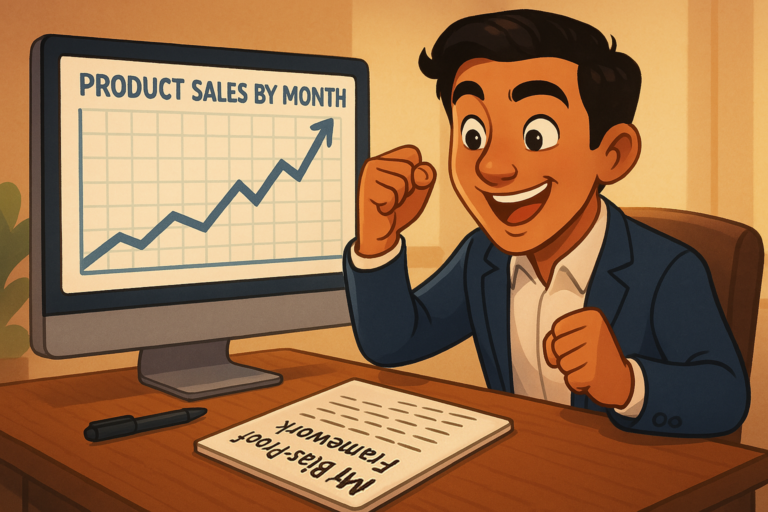
Over the past six emails, we’ve explored the hidden psychological barriers that stop customers from buying products they would otherwise love: Today, I’ll bring these insights together into a practical
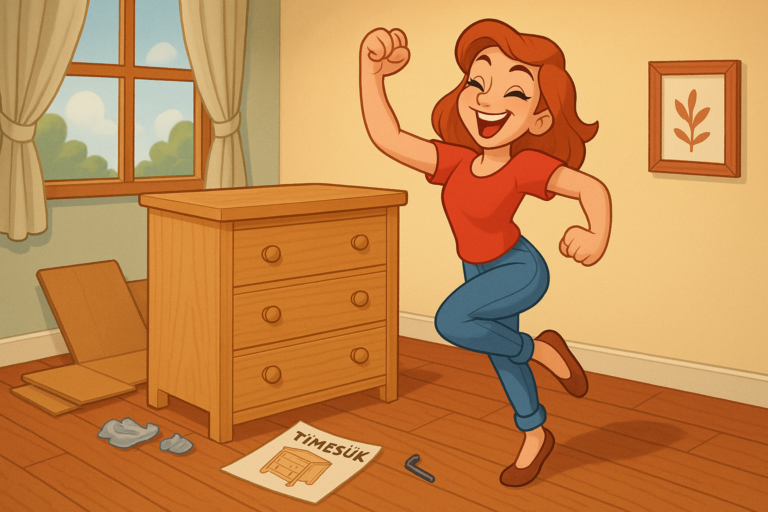
So far in our exploration of psychological barriers to purchase, we’ve examined biases that primarily block sales. Today, let’s look at a bias that can actually enhance value perception —
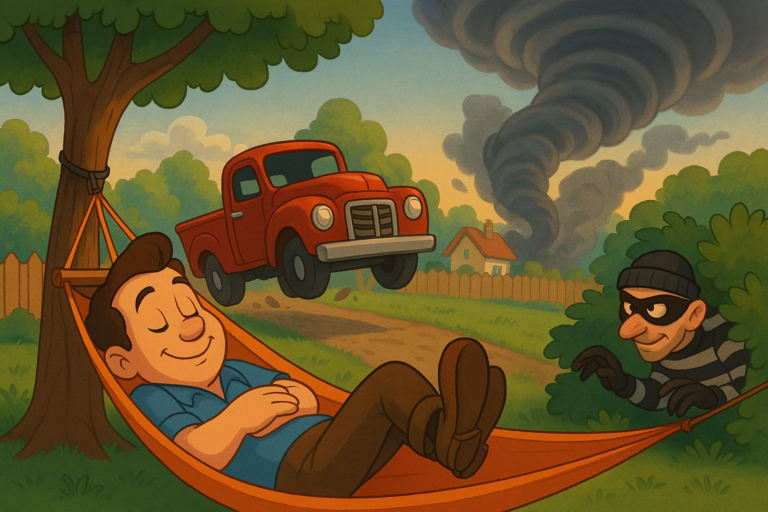
So far in my little series on psychological barriers to purchase, we’ve covered Anchoring Bias, Loss Aversion, the Paradox of Choice, and Hyperbolic Discounting. Today, we’re checking out a blocker
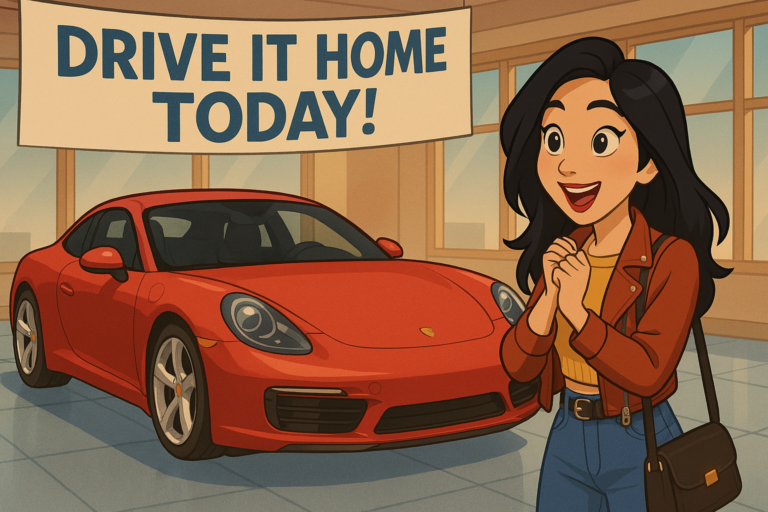
So far in my little series exploring the psychological barriers that block purchases, we’ve examined Anchoring Bias, Loss Aversion, and the Paradox of Choice. Today, we’re diving into a bias
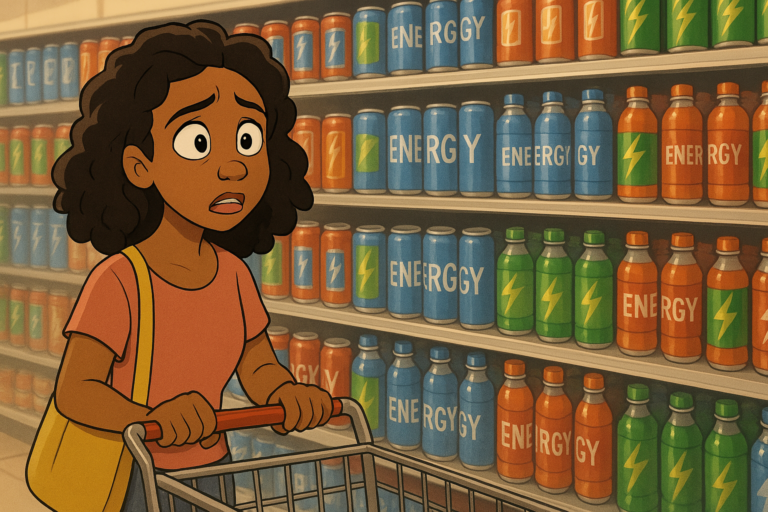
In the last two emails, I explored how Anchoring Bias and Loss Aversion create weird invisible barriers between your product and potential customers. Today, we’re tackling what I have seen
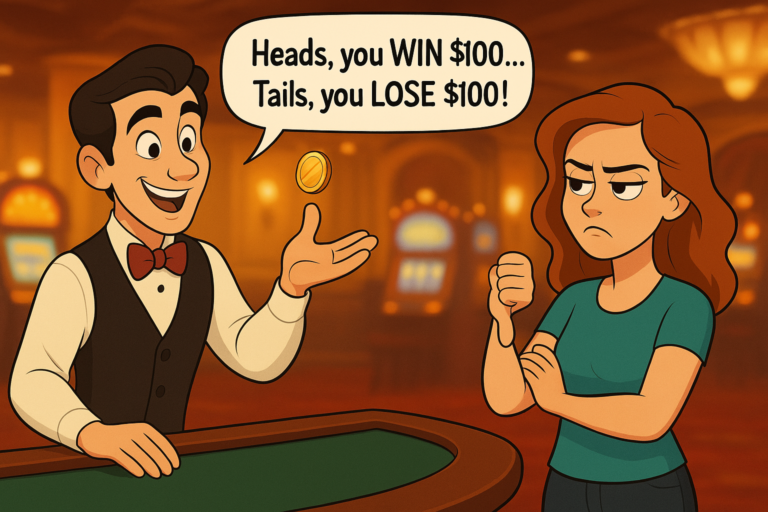
In my last email, I introduced a series on the hidden psychological barriers that block customers from buying products they would otherwise LOVE. I started with the remarkable power of
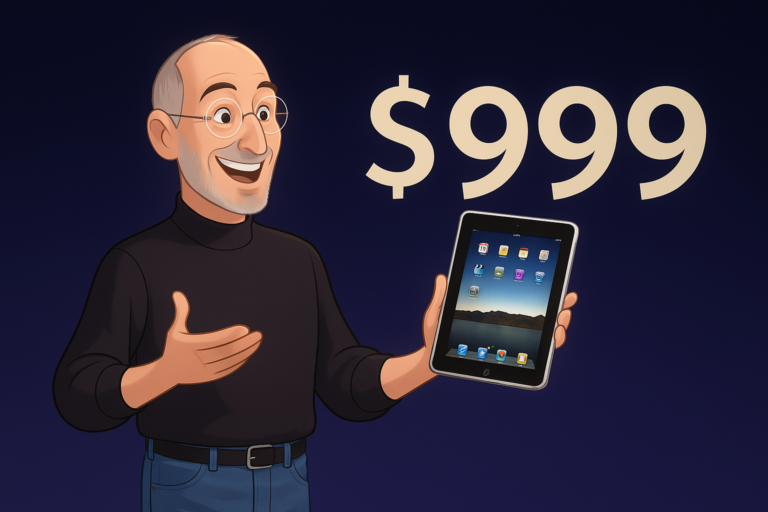
I’m starting a new email series today that explores a super-important aspect of product psychology: the hidden biases that prevent customers from buying products they would otherwise love. All of
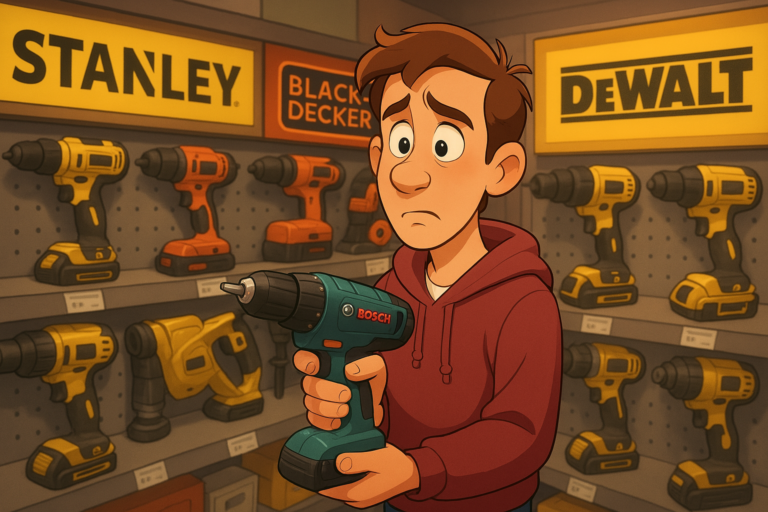
Stanley Black & Decker has been up to something that reminds me of a massive issue most brands dangerously ignore: The crippling impact of poor product content management. (Bet you glazed
I’ve been working with a visionary client whose ideas always excite me. Right now he’s building an app that rethinks how we share and connect, in some really innovative ways.

Over the past three emails, I’ve explored the critical success factors that separate winning products from also-rans: consistent outcomes, meaningful advantages, and intuitive ease of use. Today, I’m tackling the
In my last couple of emails, I’ve explored how consistent outcomes form the foundation of successful products, while meaningful advantages help them overcome market resistance. Today, I’m discussing perhaps the
In my last email, I explored how consistent outcomes are the foundation of any successful product. Today, I’m tackling the second crucial success factor from Chapter 15 of I Need That:

I’ve been thinking a lot lately about what separates market-dominating products from those that merely survive — or worse, fail outright. In Chapter 15 of I Need That, I outline the

I’ve been thinking about how even the most utilitarian products succeed or fail on personal factors. Take construction reinforcement materials, like one of my clients sells. On paper, these should

A couple days ago a prospective client showed me their new product page. Specs. Features. Bullet points. All technically perfect. … Aaaaand completely missing the point. Because NO ONE EVER

I have a favorite local restaurant. It’s a delightful place run by a husband and wife team. They and the staff recognize my family. They remember we were among their
So many “expert” predictions lately ’bout how all these wild world events are going to play out. I guess SOMEONE will have to be right. Reminds me of a concept

I had an all-too-familiar experience yesterday at a drive-through oil change shop. It started with just an oil change — the service I’d actually come for. Then came the suggestions:

I’ve been working with a client who makes a product that, technically speaking, consumers could create themselves. With some time, the right components, and a bit of trial and error,

When I was a kid, my favorite April Fools prank was elegantly simple: wrapping electrician’s tape around the black plastic sprayer at our kitchen faucet. The beauty was in its
I’ve been skeptical about some of the grandiose claims surrounding AI implementation in the product world. (I mean, aside from the stuff we see daily, like new ChatGPT competitors, and
I’ve been working with a B2B startup lately that launched with beautifully crafted Ideal Buyer Profiles. They had the works: detailed personas with photos, fictional names, job titles, goals, pain

Let’s play a quick game. What were your last three online purchases? Now, here’s a harder question: what were your last three purchases that you made after seeing an ad?
Yesterday I wrote about how I almost ripped my bumper off on a fire hydrant, despite 4 decades of driving experience and a vehicle equipped with sensors and cameras. That
I did something embarrassing a few weeks ago. Despite a solid driving record for 40 years (not a single multi-vehicle collision), I managed to rip my front bumper nearly clean
I came across a case study about Tyson Foods that illustrates something I discuss in I Need That: The most powerful innovations often happen behind the scenes, invisible to customers, yet transforming their

I just read a new report about plans for the Apple Watch — and it might reveal clues about the future of AI. Despite the general failure of standalone AI
Yesterday I shared the George Foreman Grill‘s remarkable journey from rejected “Fajita Express” to billion-dollar empire. But there’s something I maybe didn’t emphasize enough: the perseverance required. Remember those inflatable

Yesterday I learned that George Foreman had passed away at age 76. The former Olympic gold medalist and two-time world heavyweight champ left a mark not only on the boxing
I recently wrote about the swift rise of ON running shoes in a market historically dominated by Nike and Adidas. Today brings news that perfectly illustrates what I’ve been exploring

I have a special interesting products that transcend generations, and none has done it quite like the Rubik’s Cube. This simple, “low-tech” object celebrated its 50th anniversary last year. The sales

Satisfy customers much? I just read a fascinating report on online retail customer satisfaction trends. While satisfaction scores are falling across the board, ONE company stands out. Chewy (yes, the
I’ve been a Peloton devotee for over five years — I wrote about the company’s origin story and how it slotted into my own fitness and product journeys in I Need
I recently discovered SawStop at a woodworking store I love, and while I’ve not seen their famous safety demo in person, the videos are absolutely arresting. Picture this: A hot dog —

Happy St. Patty’s Day to my Irish (and Irish-lovin’) readers! I’ve been thinking about what traditional Irish pubs can teach us about creating products people strongly crave. Many of these