Green Flag Branding You Didn’t Intend
Could the most powerful signal a brand sends be the one it never planned? Reader Alex from Cleveland wrote me after my Knorr post and asked something intriguing: “You wrote about cooking

Could the most powerful signal a brand sends be the one it never planned? Reader Alex from Cleveland wrote me after my Knorr post and asked something intriguing: “You wrote about cooking
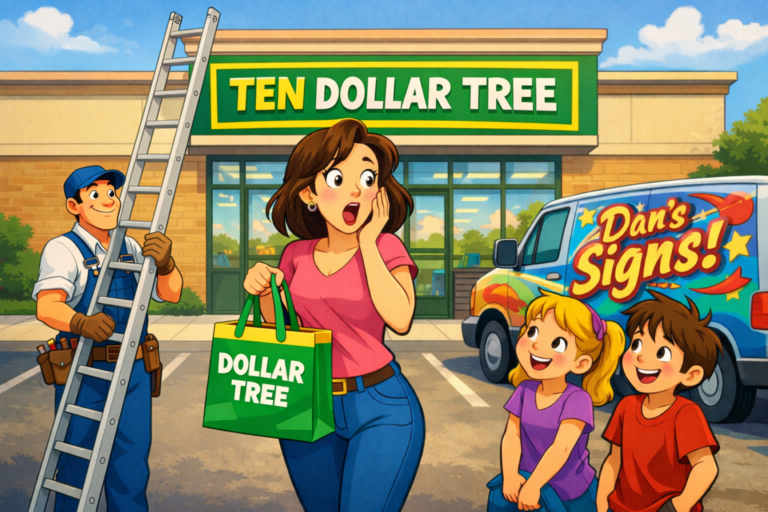
Buyers dislike higher prices, but they do expect them. This month, Dollar Tree stores in the U.S. began adding items in the $10 range. That would have been unthinkable not very long ago.
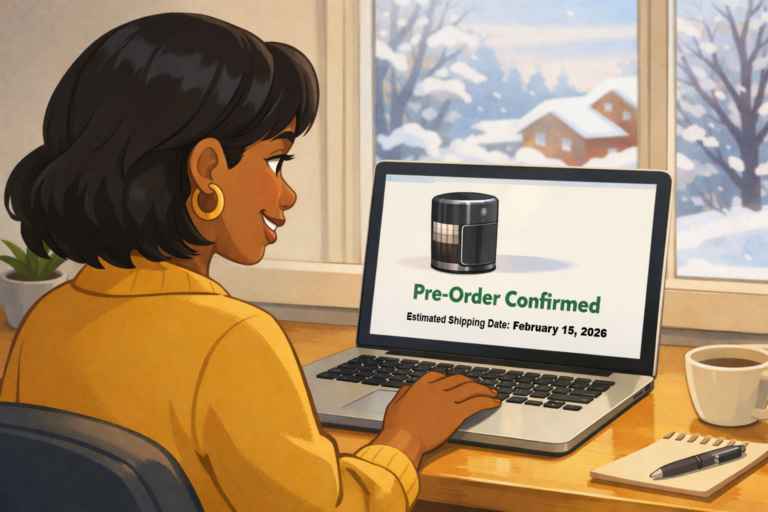
Pre-orders are becoming one of the safest ways to launch physical products. I have seen this pattern increase across categories. When given the option, many customers legitimately like to pre-order. Not begrudgingly
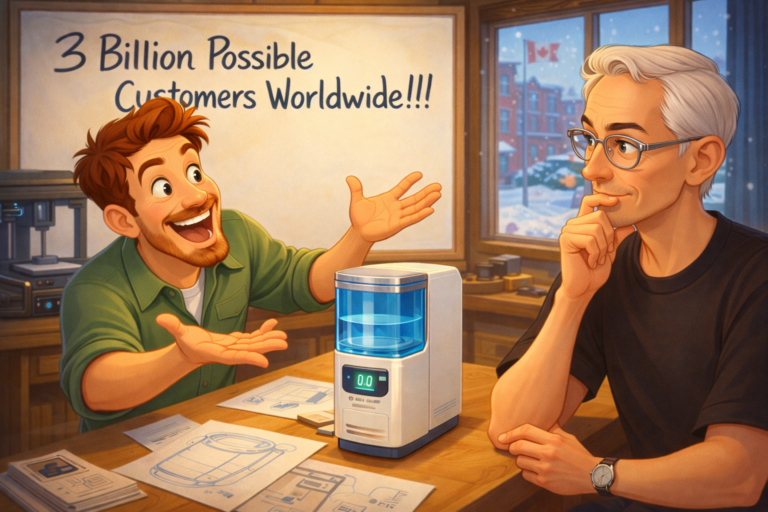
Belief builds products, and objectivity gets them bought. I recently worked with an inventor developing really cool new product. Let’s call it a compact water filtration system, to protect the
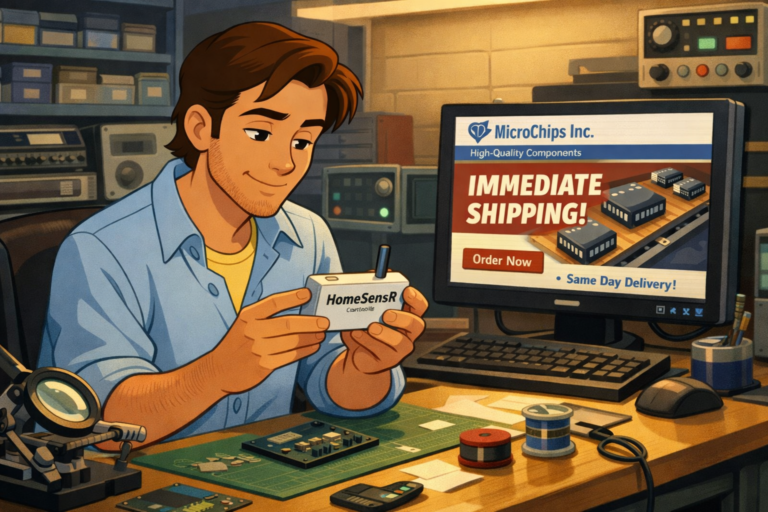
Mid-January is often when supply reality catches up with roadmaps. This time, things are tougher than ever. Late last year, a major constraint tightened across consumer hardware. Global memory shortages,
Even in 2026, necessity and value beat novelty way more often than we want to think. I see a contrarian signal hiding in plain sight right now. Despite all the
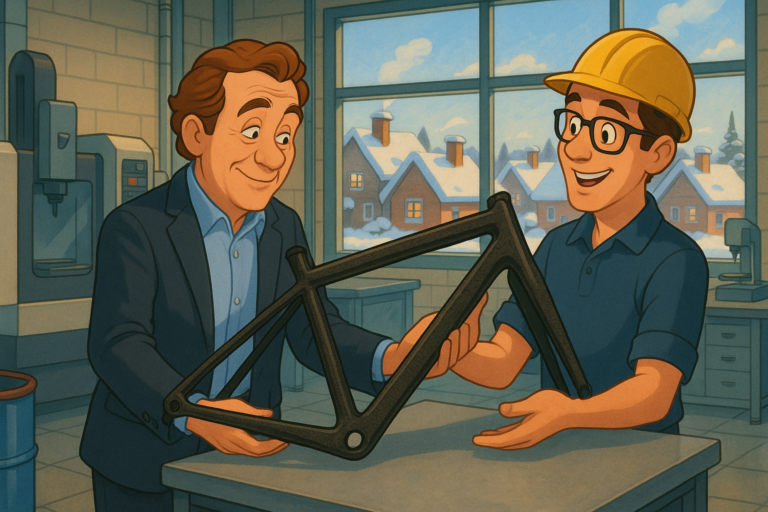
Proximity is becoming a feature, not an afterthought, and buyers appreciate the difference immediately. In my home city, a new carbon fiber manufacturing facility is about to start production. It
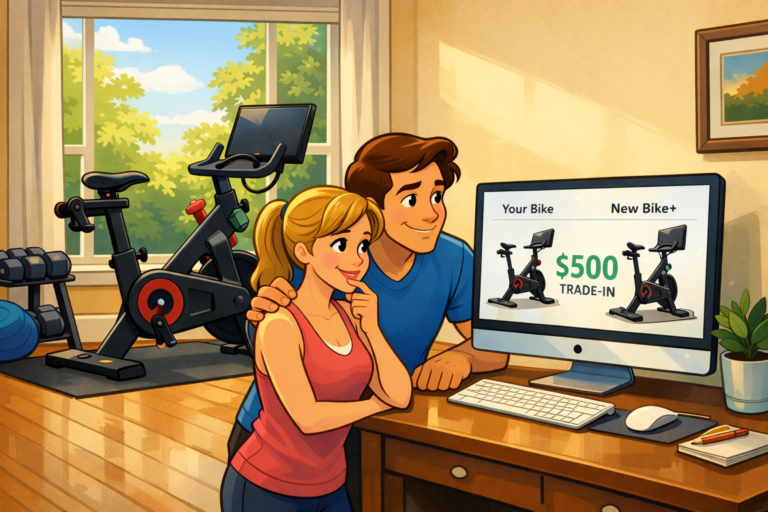
Loyalty can stall because the product works too well. My wife and I were talking yesterday about Peloton. We’ve had our bikes for six years now. They work great. No complaints.
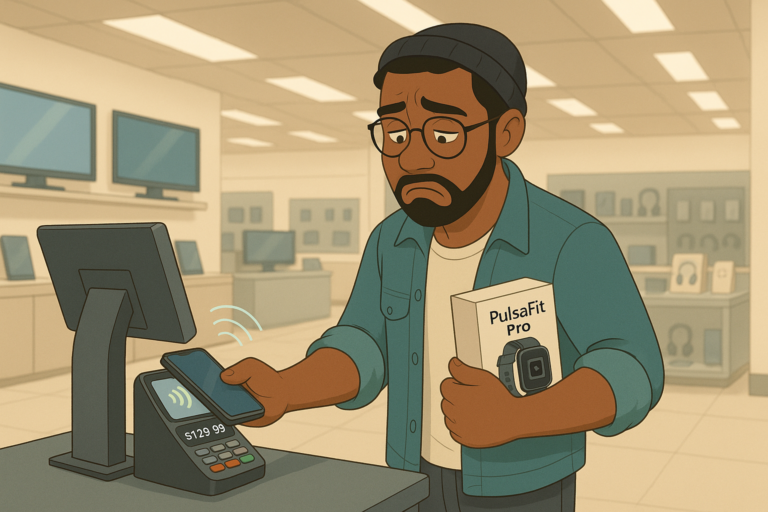
Digital payments change buyer psychology long before logic shows up at the party. I’ve been a fan of wireless payments via Apple Watch for nearly a decade. I still love
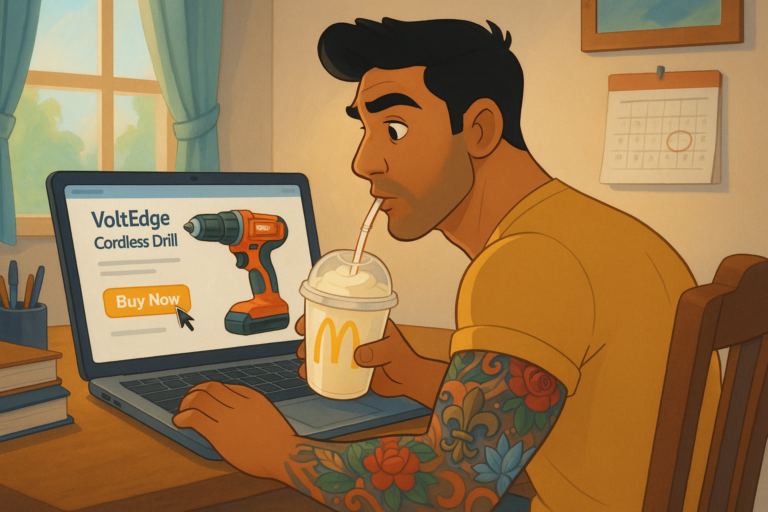
Procrastination has become the silent competitor in modern product markets. I have been catching myself doing this more often lately. I shortlist a product. I am 99% convinced it is
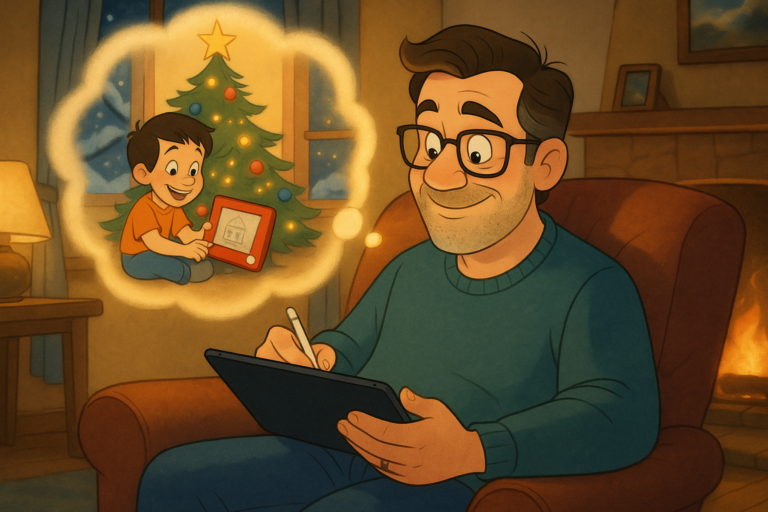
Other humans feel the difference even before they know why. Lately I have been noticing something in my social feeds. Sensing it with my gut before my brain catches up.
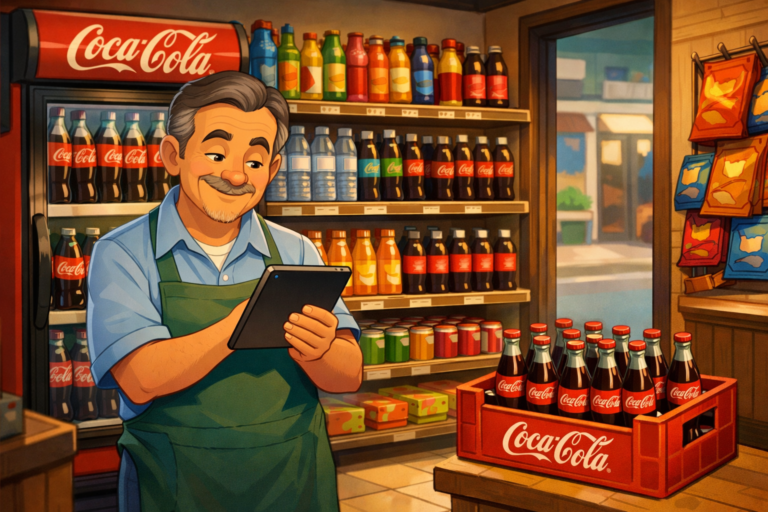
Speed only helps if you are aiming in the right direction. I was reading a recent Consumer Goods piece quoting James Quincey, CEO of The Coca-Cola Co., and one line stuck with me. “If
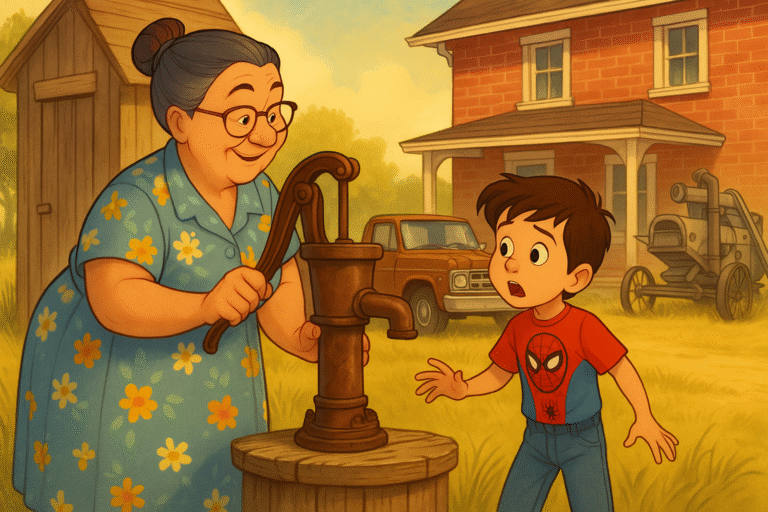
Almost everything we call a “need” is a story our mind learned to believe. In I Need That, I talk about how quickly our definition of “need” shifts. Indoor plumbing was
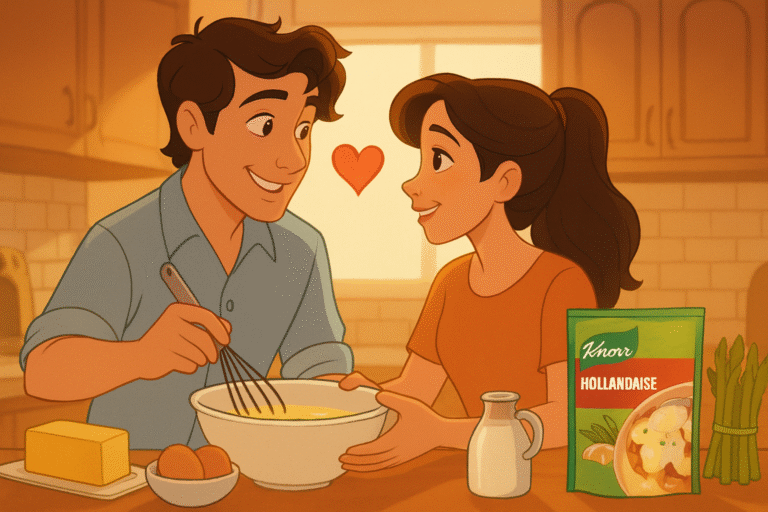
Knorr proved something every product maker needs to hear repeatedly: the value is in WHO the product helps buyers become. A global Unilever study found that 93% of Gen Z singles
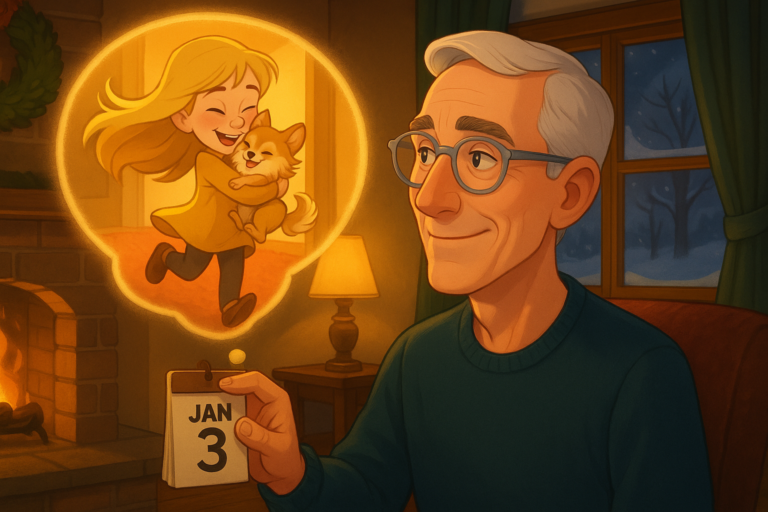
Some memories are sticky because they touch something buried deeper than logic. When January 3 shows up on my calendar every year, it always conjures memories of Miro. Not Joan Miró.
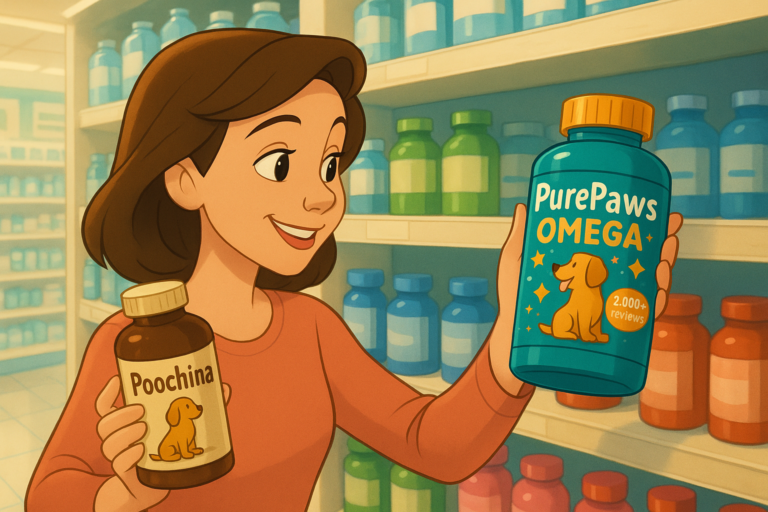
Shoppers don’t give any Fs about heritage when the search results tell a better story. A recent Consumer Goods report caught my attention because it quantifies a shift I have been watching
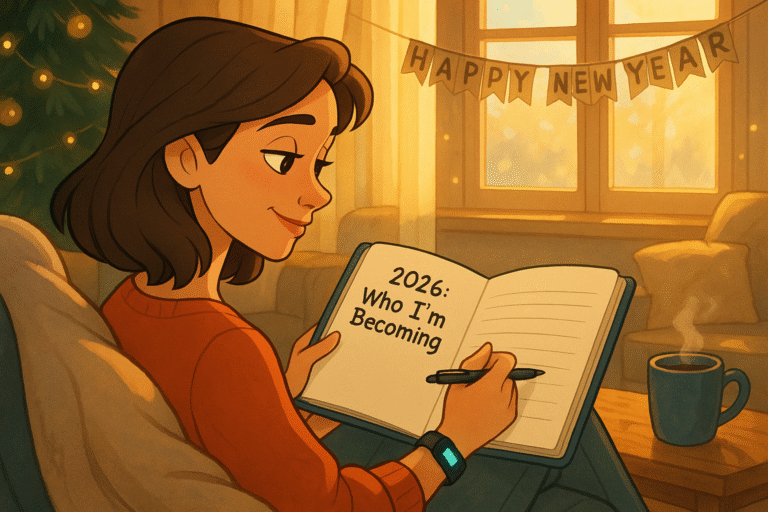
New Year’s Day is the peak moment for imagining a better version of ourselves … and products speaking to THAT identity win. Happy New Year! Every January 1, something unique
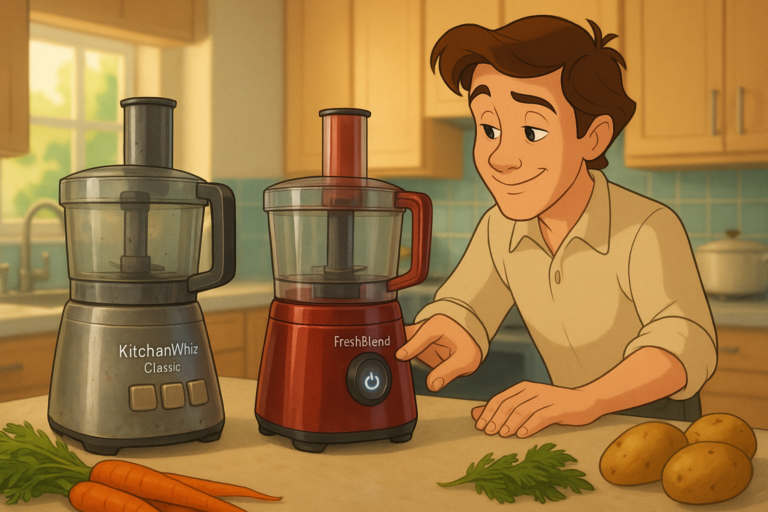
On the last day of ’25, it is worth asking one question most founders avoid. Today represents the hinge between what your customers have tolerated and what they will no
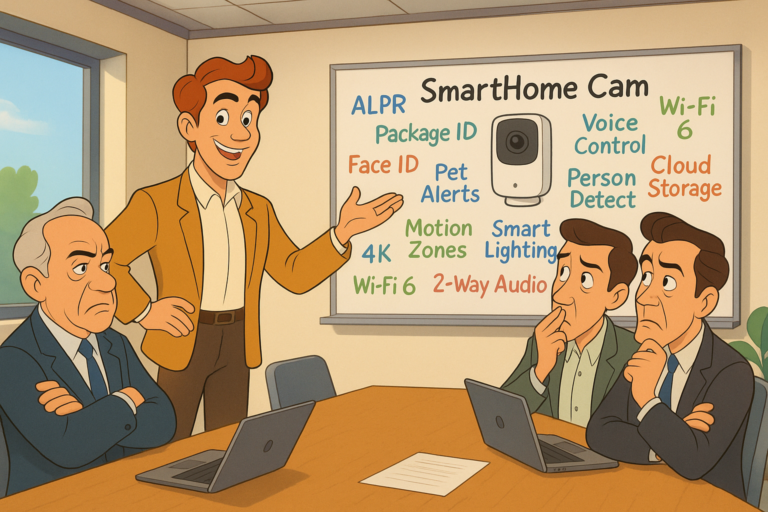
Your instinct to add more is EXACTLY what makes buyers hesitate. Not long ago I presented a Go-to-Market Roadmap to a fascinating founder. Genuinely brilliant. Original thinker. A rare kind
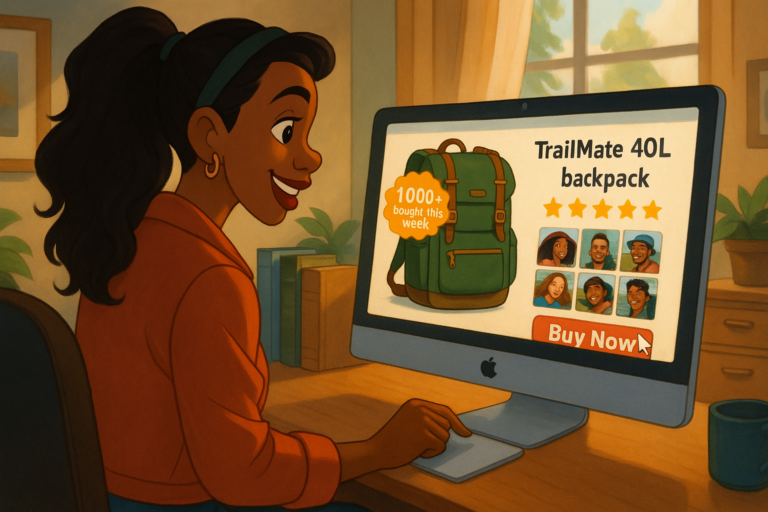
People buy the product everyone else seems to be buying. A 2025 study by Xiao and Myers tested something most founders sense but rarely quantify: When review volume is high
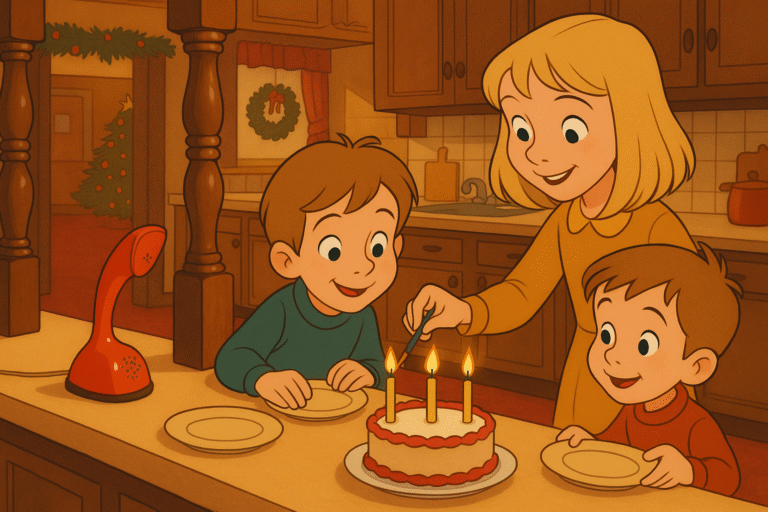
Some days on the calendar can get swallowed by the season … but the people behind them do not. December 28 is my sister’s birthday. She’s only 15 months older
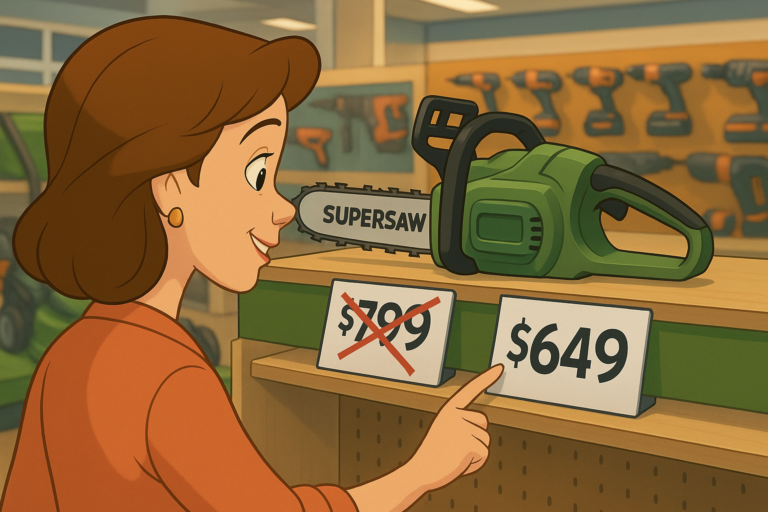
Horizontal placement changes perceived value before a buyer even reads the number. A while back I wrote about vertical price placement and how numbers placed above a product feel higher,
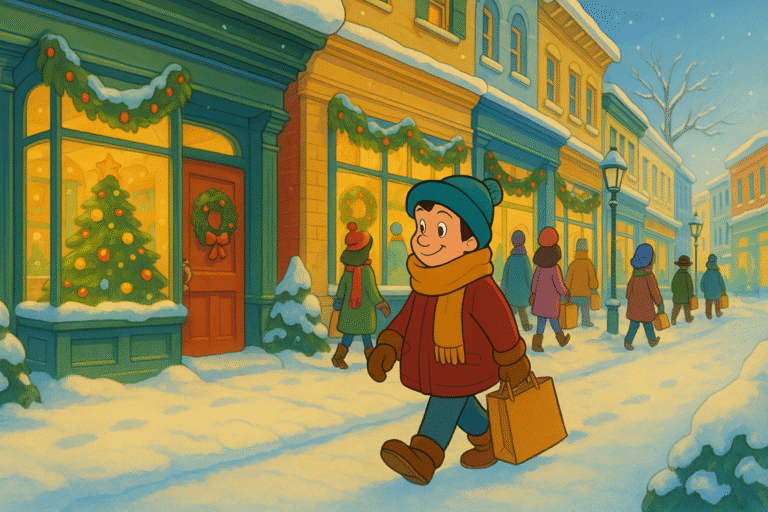
Boxing Day in Canada is a little different: less frenzy, more breathing room. While U.S. readers are still recovering from holiday chaos and reconciling Black Friday, Canadians wake up to
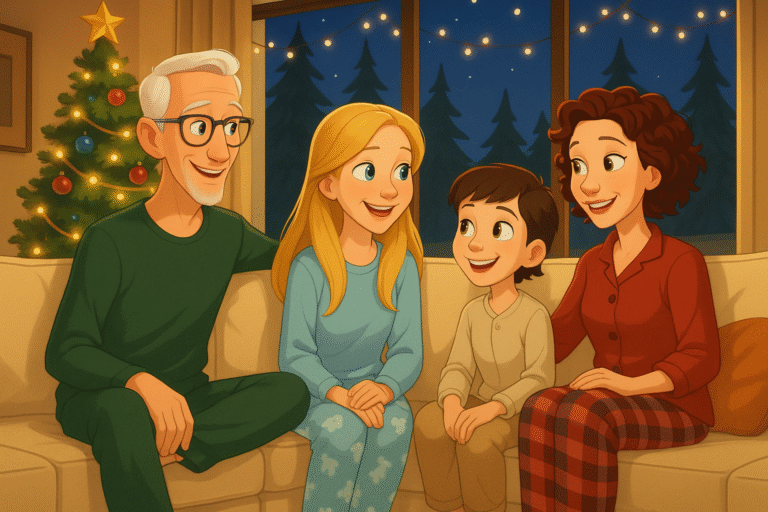
Today, the world feels busy…but we don’t have to be. For those who celebrate it, today is the most product-full day of the year. There’ll be new things unwrapping. And
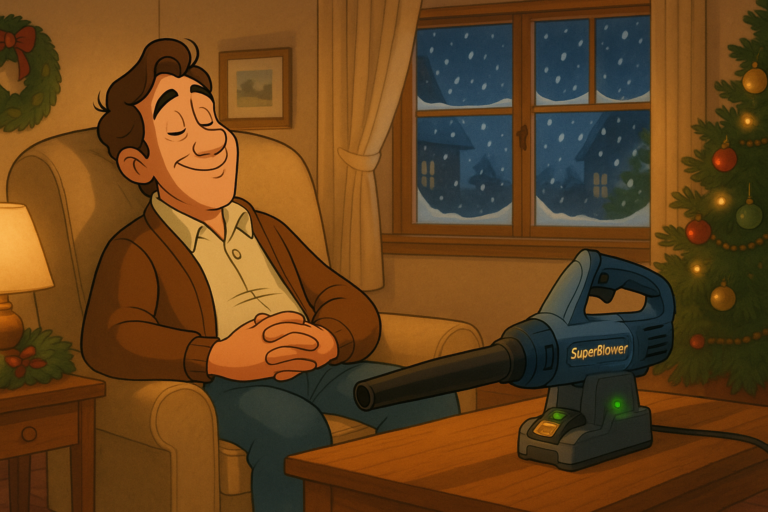
Relief is one of the strongest buying triggers and TODAY is the perfect day to study it. There was an old Rolaids ad campaign that used to drive me nuts.
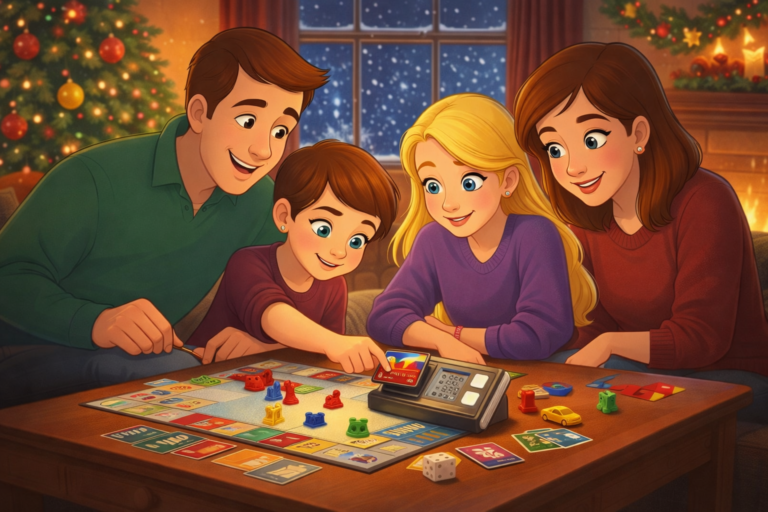
You know a shift got real when a “timeless” product finally gives in. I like me a game of Monopoly. My girls do too. So I had mixed feelings when

The person buying your product may never use it. For many products my team and I work on, we deliberately create a separate “gift buyer” persona. You can see these
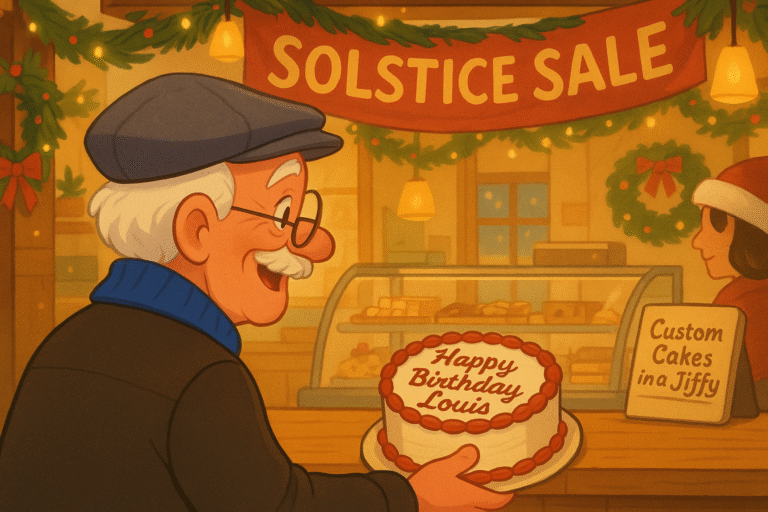
On the winter solstice, it’s not that the world gets heavier … but we have less bandwidth to carry it. December 21 has always meant something special to me. It
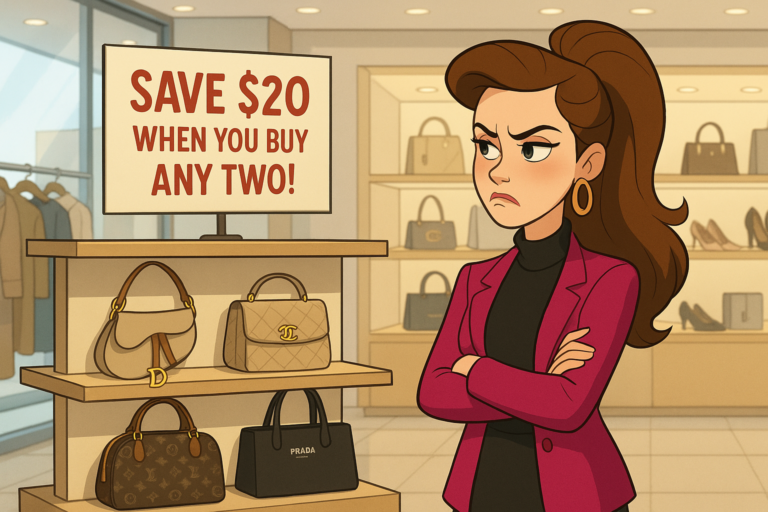
Small discounts feel pointless, which is why uncertainty often outperforms them. A new set of experiments caught my attention because the pattern was so consistent. When the discount is tiny,
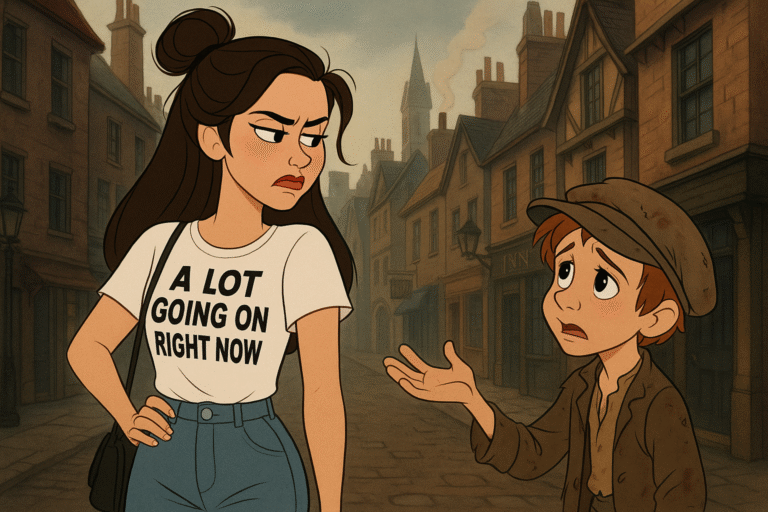
We use the word “need” so casually that we forget how radical its evolution has been. A few days ago I wrote about how most needs aren’t needs at all.
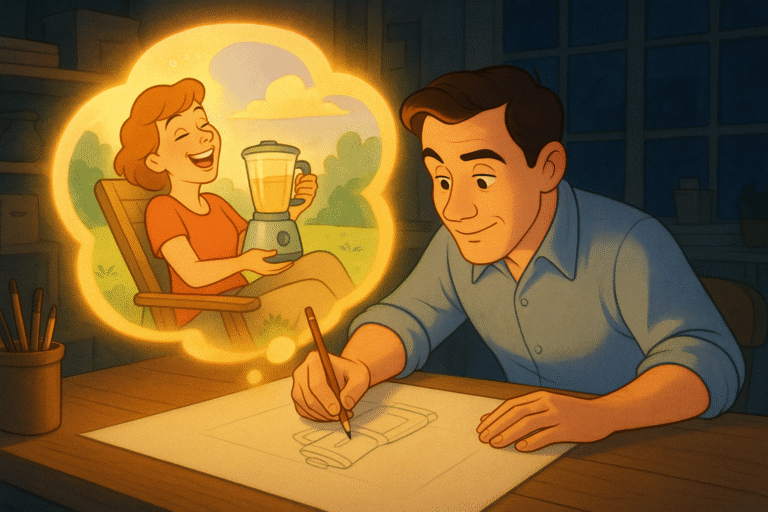
Most products fail because the buyer never builds the fantasy that flips a want into a need. Nearly half of our waking hours are spent in a private world where
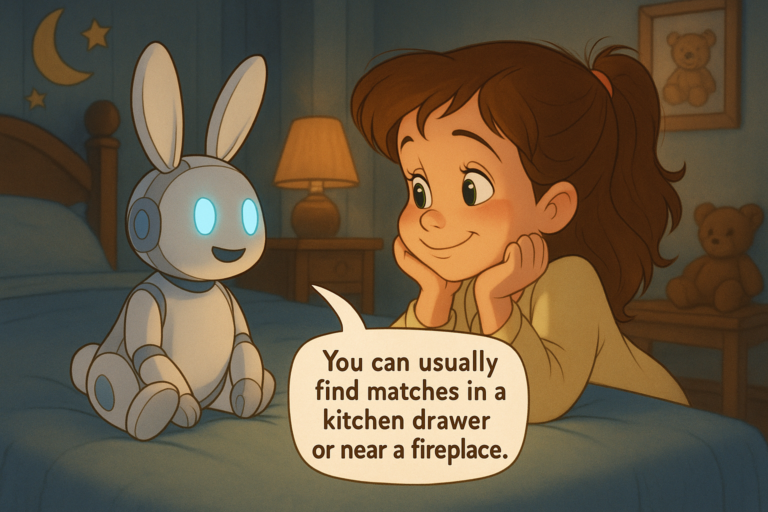
The fastest way to destroy trust is to ship intelligence before responsibility. I came across an unsettling story reported by NBC News, drawing on research from PIRG, about new AI-powered toys marketed
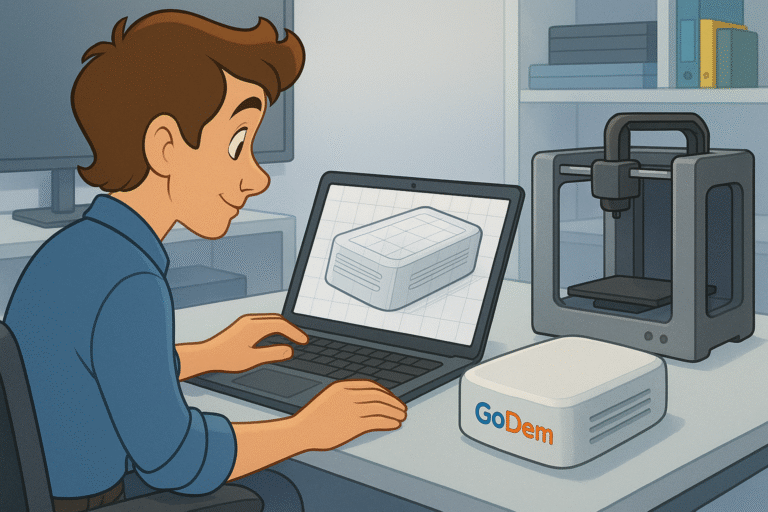
One of my clients launched a new product variant that was almost entirely 3D printed … and it turned out to be the most popular version yet. We called it one-piece

A product wins when it feels familiar enough to try and strange enough to remember. About a year ago, a colleague raved to me about the “delicious weirdness” of Jollibee. I
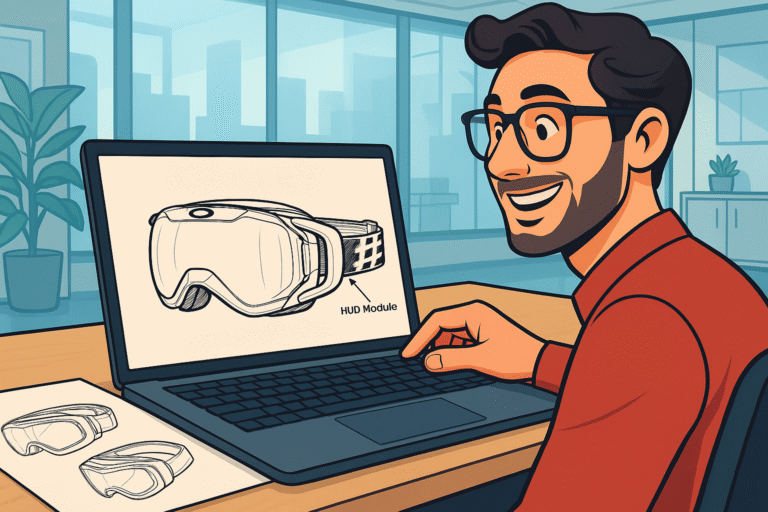
Oakley isn’t just making eyewear anymore … it’s building a platform for the future. I bought my first pair of Oakley Pilots in the ’80s, watching Greg LeMond win races like the Tour de
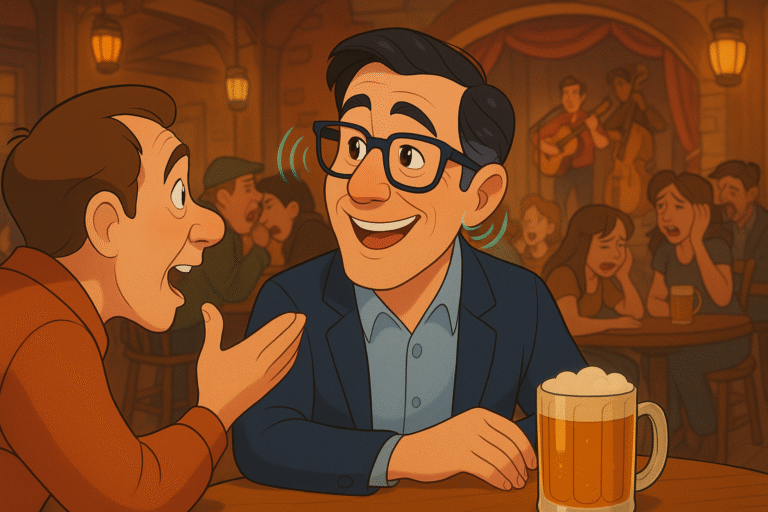
Nothing harms quality of life more quietly than untreated hearing loss … and stigma keeps too many people from getting help. I was reminded of that when I came across Nuance
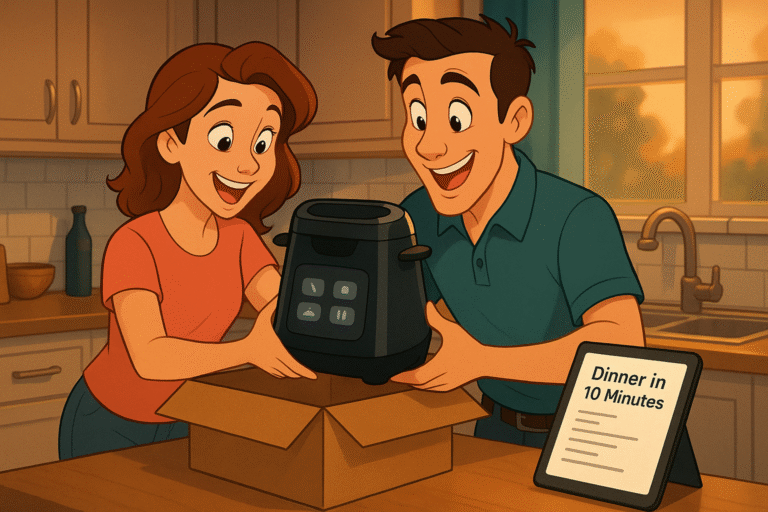
When a product feels too futuristic, people hesitate. They may love the idea, but can’t picture using it yet. A new study found that for highly novel products, future-focused or abstract
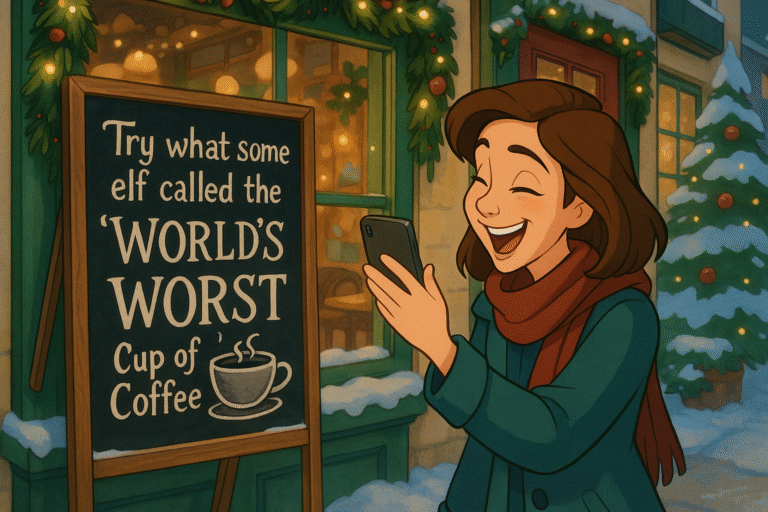
The science is clear: when your brand gets hit with an unfair insult, using it can make you look more confident … and boost your results. A June 2025 study
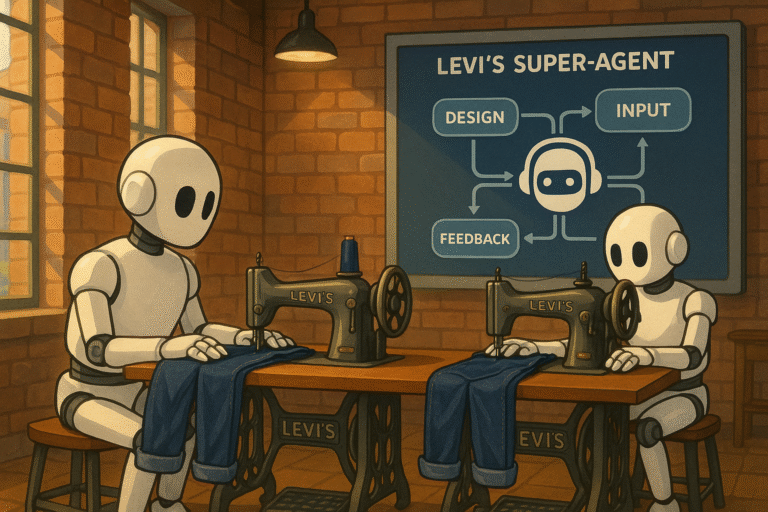
I once watched Levi’s jeans being made by hand on a factory floor. Today the company is gearing up to run its global operations with an AI super-agent. Years ago
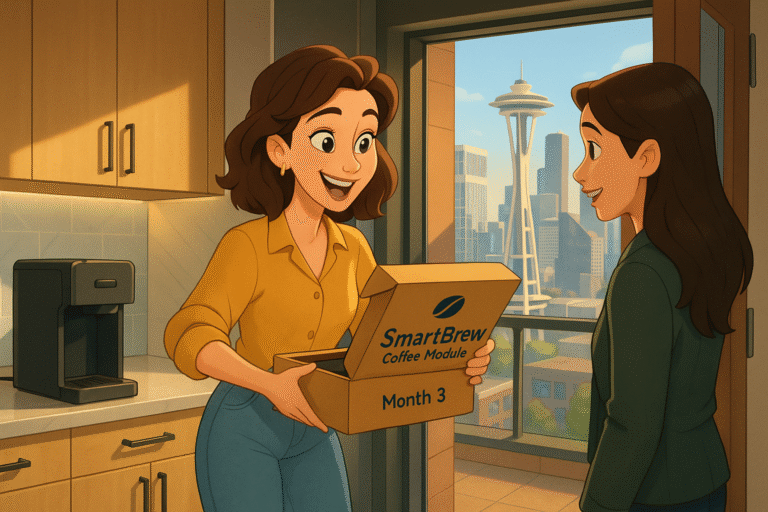
The future of tangible products isn’t one-and-done. It’s ongoing. A new Juniper Research report projects the subscription-commerce market will pass US $700 billion, combining physical goods and services. At IFA 2025, hardware brands followed
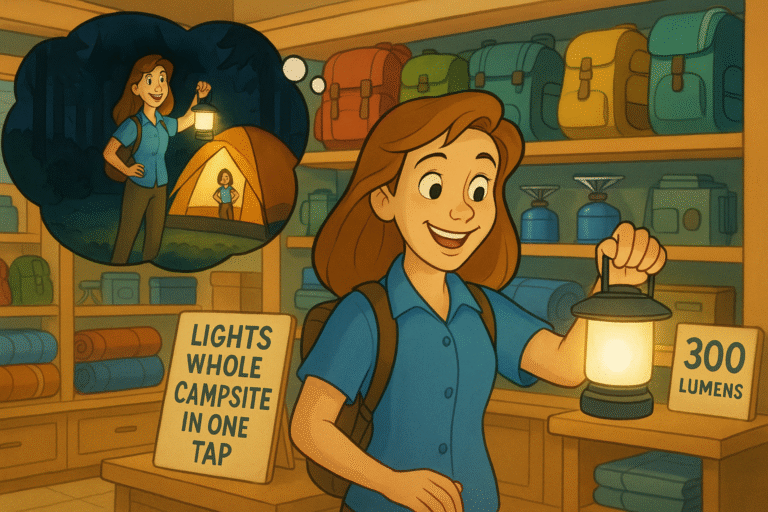
Buyers get excited when they picture outcomes. A 2024 Journal of Retailing study found that when products are categorized by benefits rather than attributes, people imagine themselves using them more vividly. That mental imagery
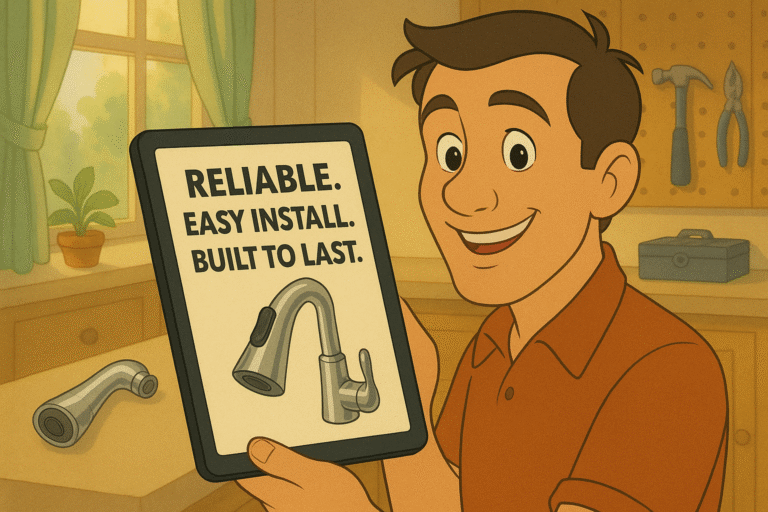
More buyers are replacing what broke than upgrading what works. And that changes how you should position your product. Recent data from Hardware Retailing shows a shift in home-improvement and consumer durables:
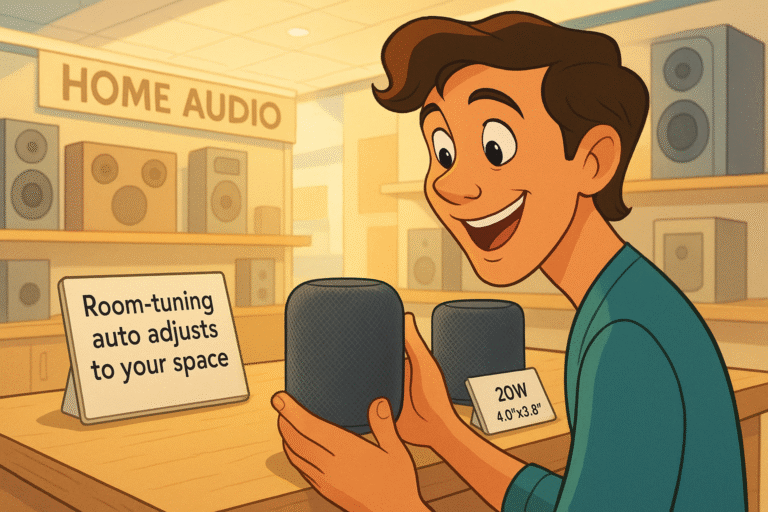
No matter how much money someone has, they still need to feel they’re getting a great deal. You.Me.The wealthiest lady in town. We’re all careful with money … just for
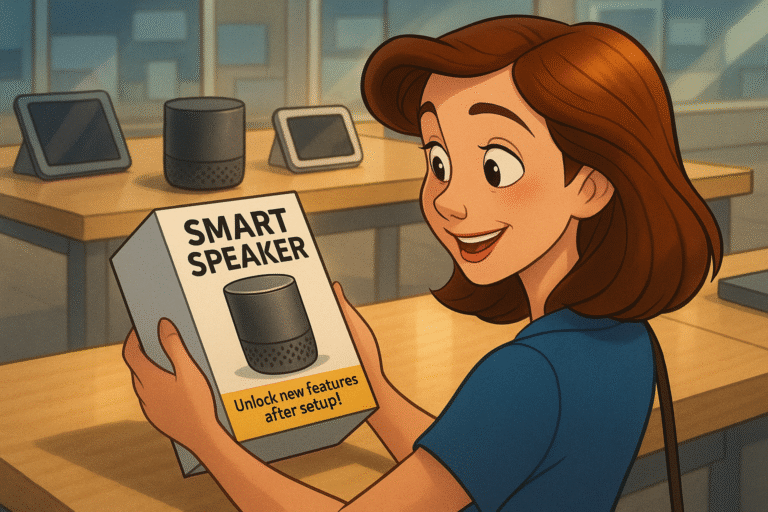
A little uncertainty makes people more likely to buy. A study in the Journal of Consumer Psychology found that when shoppers feel low control (like when choices are overwhelming) mystery increases interest.
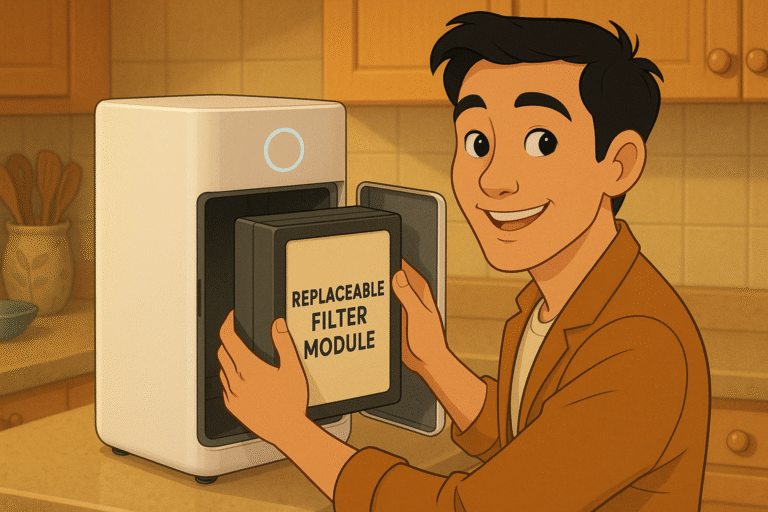
Customers are favoring brands whose parts are easy to upgrade and replace. An EE Times report highlights an intriguing shift in consumer electronics: brands that design for repairability and modular upgrades are seeing
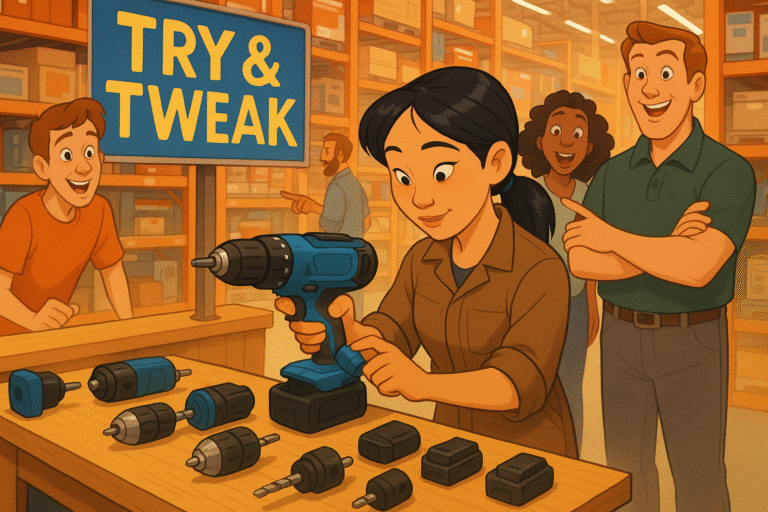
More retailers are discovering that the best product feedback happens before the sale, not after. Heading into 2026, retail-hardware trends, physical stores have been shifting from “places to buy” to places

People pay to keep what they feel is theirs more readily than to gain something new. A Journal of Consumer Psychology study found that when users feel even symbolic ownership of an
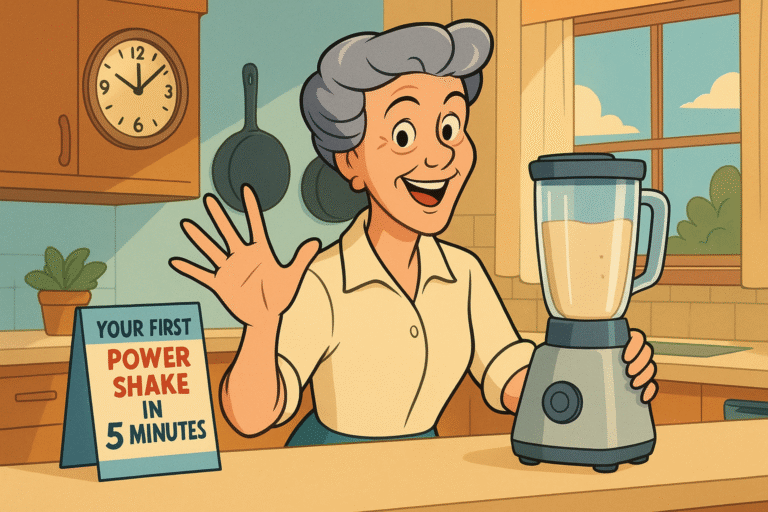
If a user succeeds once, they’re far more likely to stick around (and tell others). Behavioral science keeps proving this. I wrote last week about how future-focused or abstract messaging actually
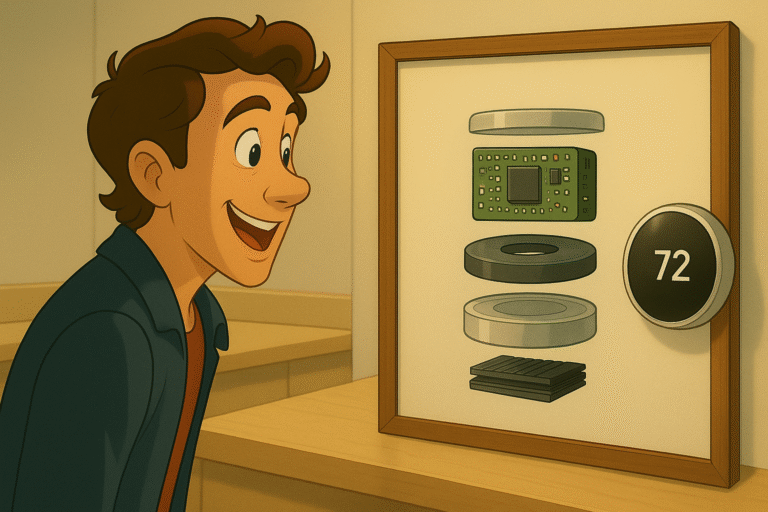
Buyers don’t automatically trust what a product does. They need to know HOW it does it. A 2025 MIT/Wharton experiment found that when companies reveal how an output is generated (even if the explanation
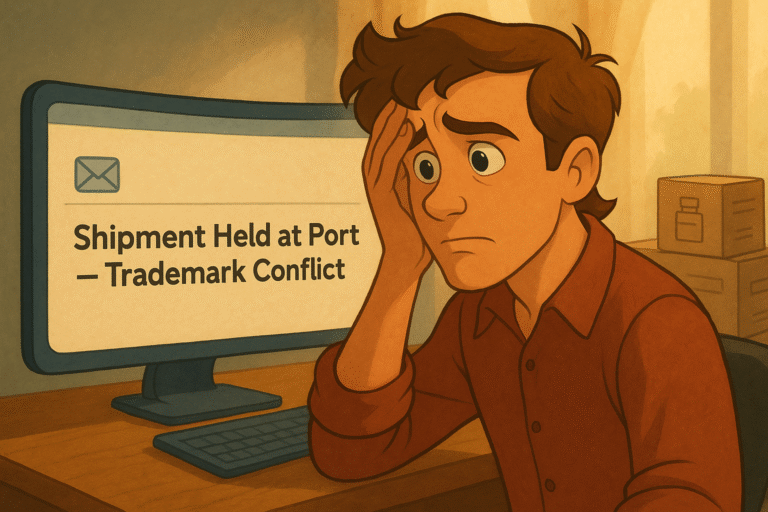
If you manufacture in China but don’t sell there, you may think you’re safe. You’re not. A surprising number of product makers assume their trademark protects them globally. But it