
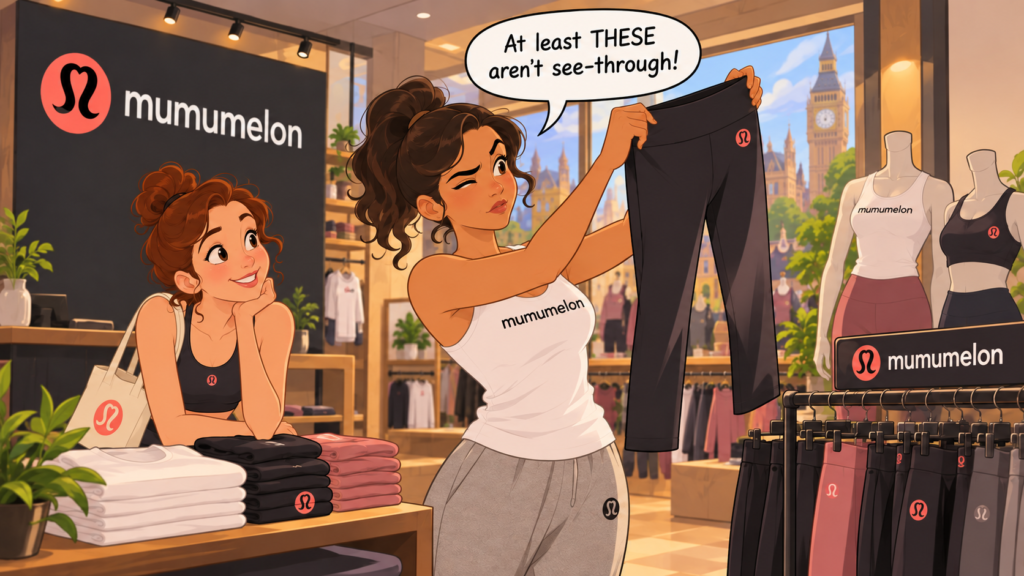
Five months after activists opened a fake Lululemon store in London, the parody brand is still online, but there’s no sign the stunt itself caused Lululemon’s sales slide.
As a Canadian, I found Mumumelon especially interesting.
In April, climate activists opened a fake Lululemon store in London called Mumumelon. The shop deliberately copied Lululemon’s visual language, right down to the logo, minimalist retail environment and coordinated activewear, under the line:
“Violating copyright, not the planet.”
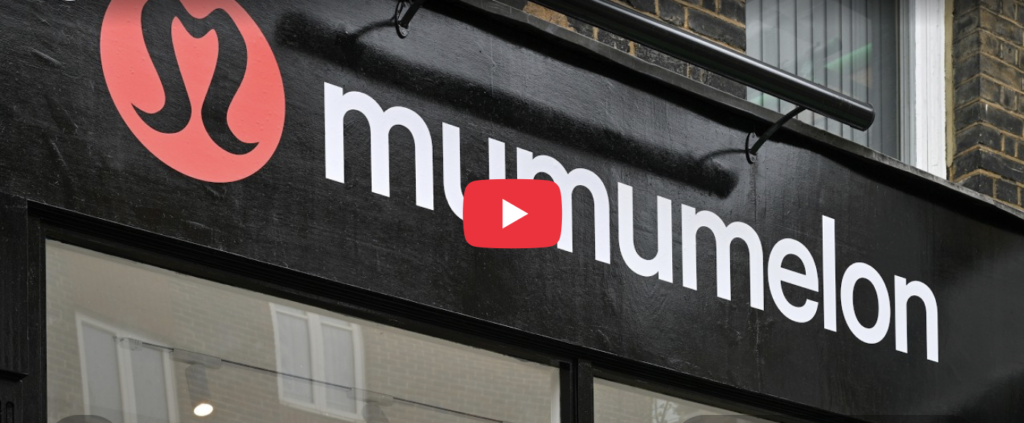
The stunt was created by Action Speaks Louder after years of trying more conventional pressure over Lululemon’s supply-chain emissions.
The group’s argument was this: if a tiny activist campaign could source clothing made with renewable electricity, why couldn’t an $11-billion company do it way faster?
At the time, one obvious question was when (not if) Lululemon would sue to make this go away.
So far still, apparently not.
I could find no public lawsuit or cease-and-desist campaign against Mumumelon. The mumumelon.co website is still live, still sellin’ the joke, carrying product pages and lines like “Same soulless vibes. Fewer fossil fuels.”
It now says Lululemon has “started copying Mumumelon” by announcing a renewable-energy investment fund.
Lulu’s restraint is surely deliberate and kinda impressive.
A Forbes analysis noted that suing a non-commercial parody could create a bigger problem by generating another news cycle and potentially giving the activists a favourable court ruling.
So has Mumumelon hurt sales?
There’s no clear connection, but Lululemon is definitely having a sucky year.
In its latest quarter, revenue fell 4% overall and 8% in the Americas.
Comparable sales fell 9%, and sales of its signature leggings dropped about 20%. The company has cut its outlook again, while newer competitors like Alo and Vuori continue taking share.
Those problems seem much broader than an activist pop-up and website, though.
Lululemon has had product missteps, including its Get Low leggings, which were temporarily pulled after customers famously realized they were see-through.
The line later returned with guidance to size up and wear skin-tone underwear.
There’s also leadership turmoil, founder Chip Wilson’s high-profile divorce, a proxy battle, weaker product momentum and rising competition.
Lululemon itself has acknowledged that spikes of negative commentary have hurt traffic and sales, but that commentary had more legs than Mumumelon alone.
So the most impressive part of Mumumelon could be how the activists created something much harder for the company to dismiss than a petition or protest.
They whipped up a competing product experience.
And copied the branding closely enough to make you uncomfortable, then used the product itself to argue that a different manufacturing approach was possible.
Totally different kind of activism there.
One that exposes something brands should think carefully about when they attach values to themselves.
If sustainability, social purpose or ethics are part of the reason people buy from you, those promises are part of the product too.
AND they are something critics can test.
One of the ideas I explore in I Need That is that a brand is ultimately a set of expectations in the customer’s mind. The more ambitious those expectations become, the more damaging the gap can be when reality doesn’t keep up.
Mumumelon hasn’t gone away yet.
And Lululemon’s clear challenge is that people have tons of reasons to question if the brand still deserves its premium.
If you’d like help creating and marketing products people feel compelled to buy, the product marketing consultants at Graphos Product can help.