

Nothing harms quality of life more quietly than untreated hearing loss … and stigma keeps too many people from getting help.
I was reminded of that when I came across Nuance Audio’s hearing-aid glasses.
They look like normal eyewear, but tiny speakers in the temple arms amplify sound in noisy environments.
No buds. No behind-the-ear loops. No visual signal that says “hearing aid.”
When you put on your glasses in the morning, you’re wearing the hearing aids.
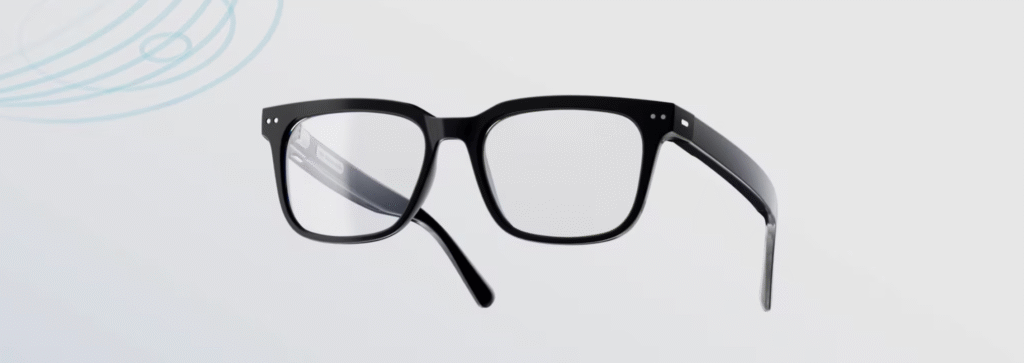
Image courtesy Nuance Audio
And that’s the insight product makers should steal.
People don’t avoid solutions because the tech is bad.
They avoid them because the identity cost feels high.
If using your product means admitting something they don’t want to admit—aging, weakness, inexperience—they will fight it.
But if the product blends into something they already feel good about, adoption spikes.
Nuance didn’t make a better hearing aid.
They made hearing support feel socially safe.
Your version of that might be:
Hiding the assistive feature inside a familiar form
Designing for pride instead of permission
Reducing the emotional hurdle of saying “I need help”
Give people dignity first, function second.
Most markets would double their adoption overnight.
Want to make your product irresistible? That’s what we do as product marketing consultants at Graphos Product, helping innovators turn need-driven ideas into market-ready successes.