
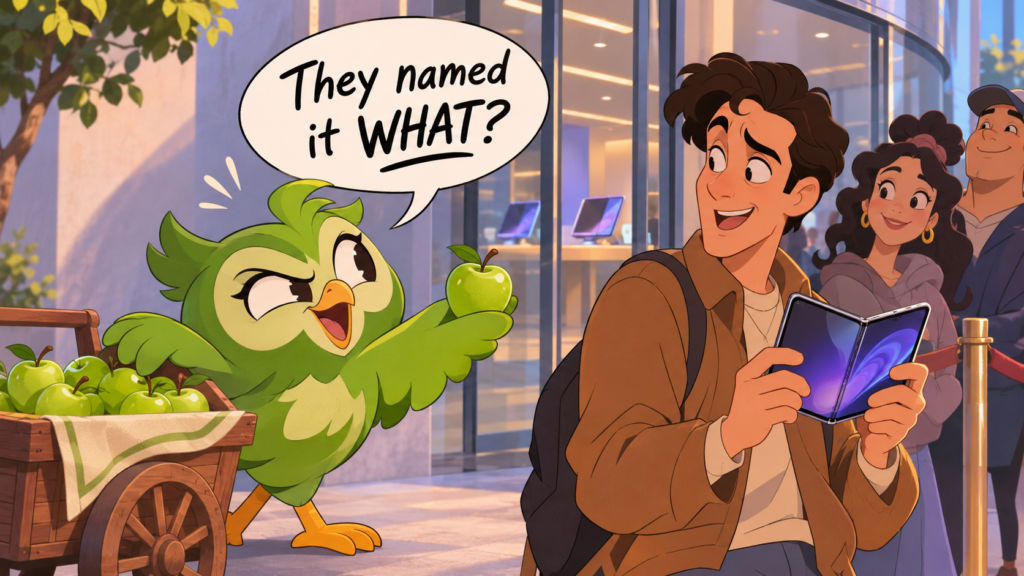
Duolingo’s owl is funny, annoying, oddly menacing and undeniably cute. That combo does more for the brand than mascot duty.
A new study on tourism marketing separates cuteness into two useful types.
There’s baby-schema cuteness: big eyes, rounded features, softness and innocence.
Then there’s whimsical cuteness: playful, quirky, slightly absurd.
Both increased people’s interest in visiting a destination, but through different psychological routes.
Cuteness generally increased trust, while whimsical cuteness could also spark curiosity and raise expectations about the experience.
Makes me think of Duolingo.
Duo the owl has the big eyes and rounded proportions of classic cute design, but the brand has pushed him much further into the whimsical end of the spectrum.
He guilt-trips ya. Threatens your streak. Appears in memes and behaves like a mildly unstable feathery coworker.
And when Apple unveiled the iPhone Duo in September, Duolingo immediately jumped on the name, joking that Apple had named a phone after him and “made it bend over.”
It later showed up outside Apple stores handing out green apples under the line “Free Apple Duo.”
That’s where cuteness gets strategically useful.
A cute mascot can get away with behaviour that would sound obnoxious coming from a corporate account.
Duo manufactures permission.
The owl can troll Apple, nag users and act unhinged while staying recognizably harmless and being welcome to butt in.
The underlying mechanisms are interesting for all brands.
Cute can create trust.
Whimsical cute can tickle curiosity.
And when you combine both, a mascot can turn into way more than decoration.
It can be a behavioural licence for the brand.
If you’d like help creating and marketing products people feel compelled to buy, the product marketing consultants at Graphos Product can help.