
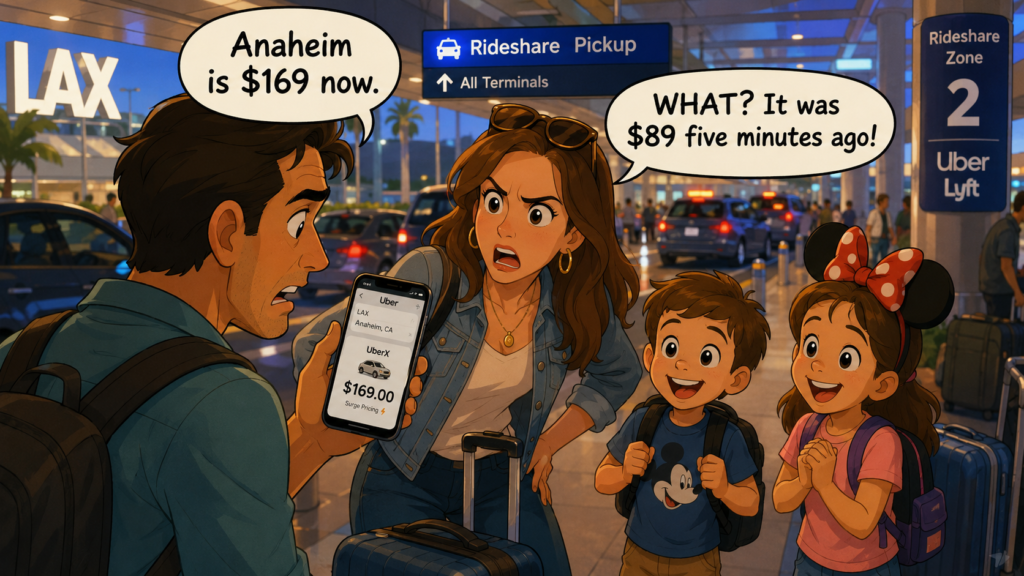
Dynamic pricing may maximize revenue, but customers decide whether the experience still feels fair.
I’m okay paying more for a thing that’s actually worth more.
But I DO mind paying more for the same darned thing.
That’s why dynamic pricing has become one of the most heated product marketing stories of the past few years.
Look at Uber.
How many times have you checked the fare, decided to finish your coffee first, then booked the ride a few minutes later … to discover the price has pretty much doubled?
The destination and ride type are the same. The route probably didn’t change, and I doubt if you did (aside from having a bit more caffeine in your bloodstream … and now more anger in your heart).
The algorithm gotcha.
This year the same debate reached the FIFA World Cup.
For the first time, FIFA adopted dynamic pricing for primary ticket sales.
Prices for many matches went to crazy town after sales opened, prompting criticism from fans and even members of the U.S. Congress, who questioned the fairness and transparency of the whole system.
From a business perspective, the logic is obvious, and truly smart. Algorithms react instantly to demand and maximize revenue in ways no human team ever could.
Customers experience something pretty different.
They compare their price with what a friend paid yesterday, an hour ago, or even five minutes earlier.
The emotional reaction has little to do with the price. It comes from the perception that identical value produced totally different outcomes.
Translation: somebody got frigging hosed.
That observation aligns with a recent pricing study I found. The researchers discovered that businesses worry less about customers thinking prices are too high than about customers believing prices are unfair.
Fairness, more than actual price, is the new battleground for trust.
This connects directly to I Need That. Buyers seldom evaluate products through logic alone. They evaluate the WHOLE experience, including whether they believe they’ve been treated fairly. Companies that optimize every last nickel while eroding trust may discover that today’s pricing victory becomes tomorrow’s loyalty issue.
Algos are getting remarkably good at maximizing revenue.
The companies that break out over the next decade will be the ones that become equally good at maximizing our trust.
Want to make your product irresistible? That’s what we do as go-to-market consultants at Graphos Product, helping innovators turn need-driven ideas into market-ready successes.