
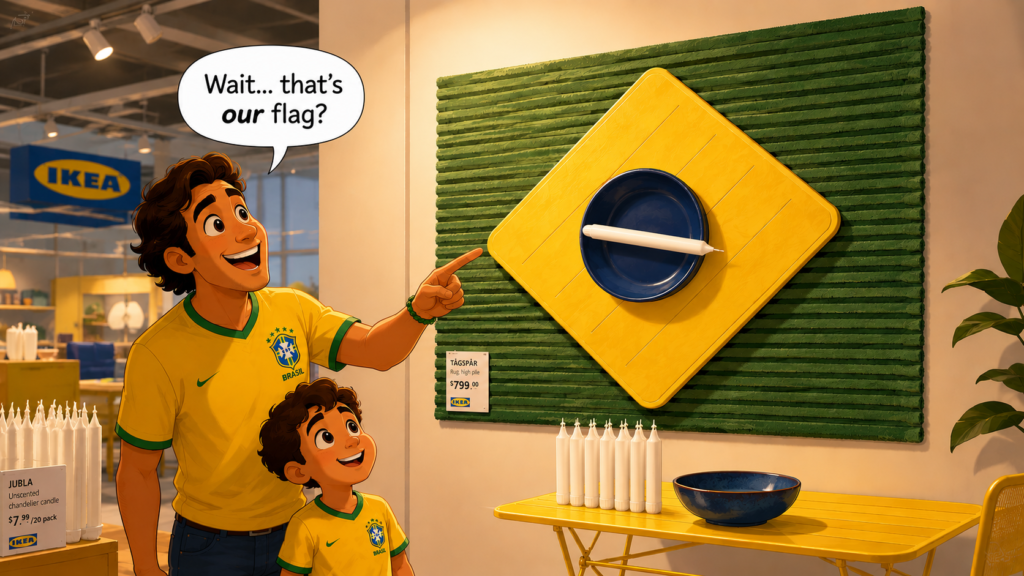
IKEA’s World Cup campaign turns national flags into shoppable product collections, showing how smart merchandising can transform cultural pride into participation.
I have a love-hate relationship with IKEA.
I curse the labyrinthine stores. I totally appreciate the logic behind the layout, but still feel mildly irritated every time I’m forced through another winding trek past tea towels, lamps, storage cubes and the warehouse before reaching the exit.
But I also respect what IKEA does exceptionally well.
Few companies understand how to merchandise for so many different people at once.
It’s super hard to do well.
IKEA serves students furnishing first apartments, young families on tight budgets, design-conscious professionals, retirees downsizing, independent restaurant owners … and everybody in between.
They operate globally at the highest level, while somehow staying locally relevant.
THAT takes real devotion and skill.
Here in Canada where I live, that might matter even more than in some other places.
We’re a melting pot of cultures, backgrounds, traditions, and allegiances. World Cup season brings ALL that to the surface in a really cool way.
Flags pop up all over the place. National pride gets expressed out loud. (Sometimes really loud.) Households become popup embassies.
IKEA Canada clearly saw the opportunity.
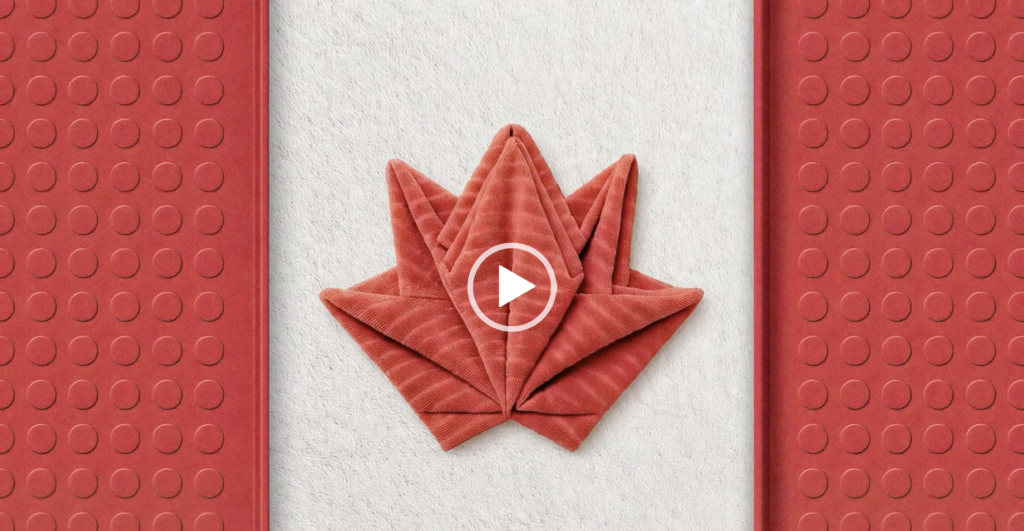
Their new World Cup campaign, Assemble the World, turns national flags into shoppable product collections built entirely from IKEA products.
Furniture, décor, lighting, plush toys, and home accessories are arranged to recreate the flags of competing nations.
It’s clever, visual, and instantly engaging.
You see the flag first, then you start noticing the products.
Possibly the opposite order. But either way, the progression in your brain is what makes this so smart.
The campaign is effective because it sits at the intersection of identity, ritual, and participation.
It gives people a way to celebrate heritage while bringing that expression into their home. And it does so using products that already feel familiar, accessible, and shareable.
That’s a powerful combination.
This is also a fantastic example of merchandising as storytelling.
The products themselves aren’t being changed. They were all available before.
What changed is the world of meaning around them.
A candle is presented as a banner. A towel folds into an expression of pride. Ordinary household objects become cultural signals.
That’s a useful reminder for product marketers.
As customers we don’t tend to evaluate products in isolation. We respond to context, symbolism, and relevance. Smart brands understand how to connect their products to moments that naturally resonate emotionally.
That idea sits at the heart of I Need That.
Great products become far more compelling when they connect with identity and emotion, not simply their basic utility.
IKEA has always understood that folks come in for more than furniture.
They want function, for sure.
But they also seek belonging.
Want to make your product irresistible? That’s our jam as product positioning experts at Graphos Product, helping innovators turn need-driven ideas into market-ready successes.