
Often a product fails because the market isn’t into it. And sometimes because the timing is wrong.
Few product failures have achieved the legendary status of Google Glass.
It belongs in that rare category alongside New Coke, the Apple Newton, and a handful of other products that became cultural shorthand for big companies getting it wrong.
I remember the reaction so clearly.
People did NOT want a camera pointed at them from somebody else’s face.
The privacy concerns were immediate. The social awkwardness was huge. Wearing a computer on your head was strange enough. Wearing one that might secretly be recording people was plain creepy.
Within a few years, Google Glass had gone from futuristic breakthrough to forever punchline.
Case closed.
Or so it seemed.
One of the most dangerous assumptions in product development is believing a failed product proves there was no need.
Sometimes it simply proves the solution wasn’t ready.
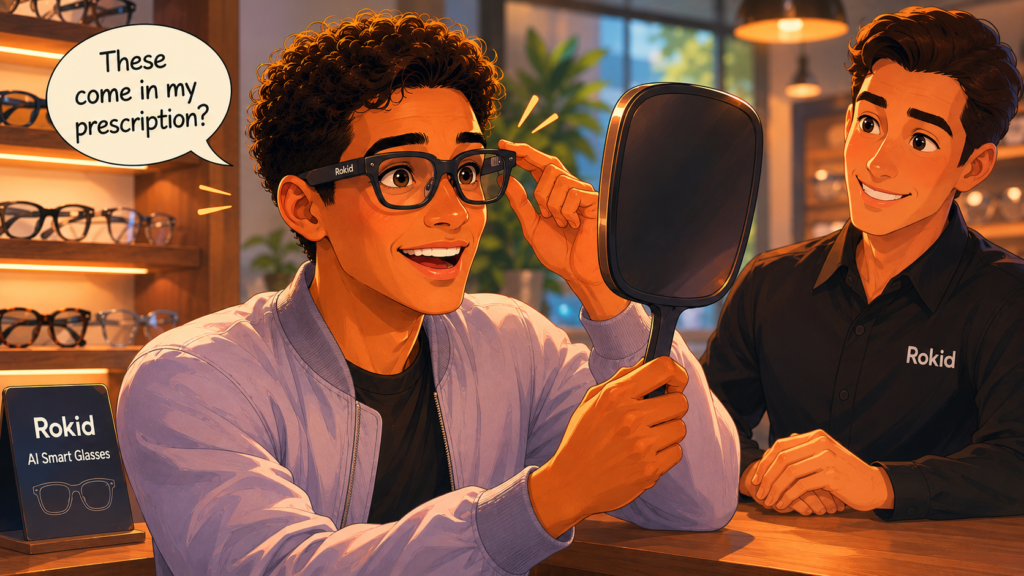
That’s why I found the story of Rokid so interesting.
While Google was retreating from smart glasses, a former Alibaba exec looked at the same category and came to a very different conclusion.
He spent the next twelve years trying to solve the practical issues that made people reject that attempt.
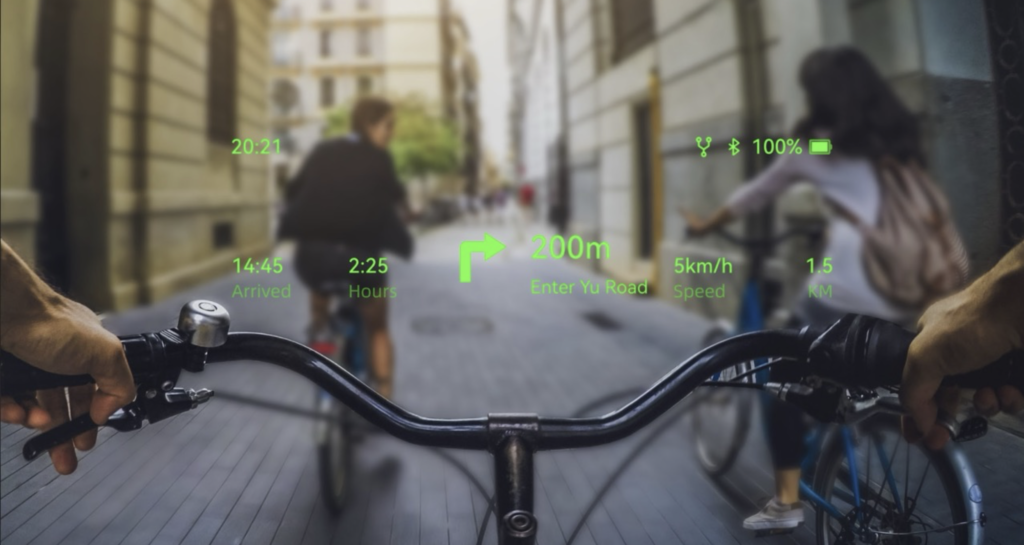
Image: Rokid
What he arrived at was not more features, but less resistance. Not more futuristic, but more wearable.
And not a gadget people put up with: one they might even wear all day.
THAT distinction.
Many innovators get obsessed with the amazing tech and overlook the reality that real folks experience products through comfort, convenience, habits, social acceptance, and dozens of tiny moments that determine whether something becomes part of daily life.
Rokid’s latest glasses weigh just 38.5 grams. They support prescription lenses, and focus heavily on voice interaction.
The company has built compatibility around multiple AI systems rather than shoe-horning users into a single ecosystem.
None of those things generate headlines the way futuristic holograms do.
Every one of them improves adoption.
Which is is where products either live or die.
A decade ago, wearing AI-powered glasses sounded strange.
Today millions of people think nothing of talking to smart speakers, smart watches, earbuds, and AI assistants all day long.
The idea of having AI available in a ubiquitous form factor feels far less shocking than it did when Google Glass debuted, and people were doing NONE of those other things.
The base need didn’t disappear, or even change much.
But our context totally changed.
In I Need That, I talk about how successful products often emerge when a genuine need intersects with the right technology, the right timing, and the right customer readiness. Missing any one of those factors can make a brilliant idea look like a crappy one.
Google Glass was a little early.
Make that VERY early.
But product history is full of ideas that looked ridiculous until the moment they were inevitable.
We know question isn’t whether smart glasses will succeed.
It’s if we’ll eventually look back and realize Google was directionally right all along.
How close are you to getting smart glasses? What has to be right for you?
Want to make your product irresistible? That’s what we do as product marketing consultants at Graphos Product, helping innovators turn need-driven ideas into market-ready successes.