
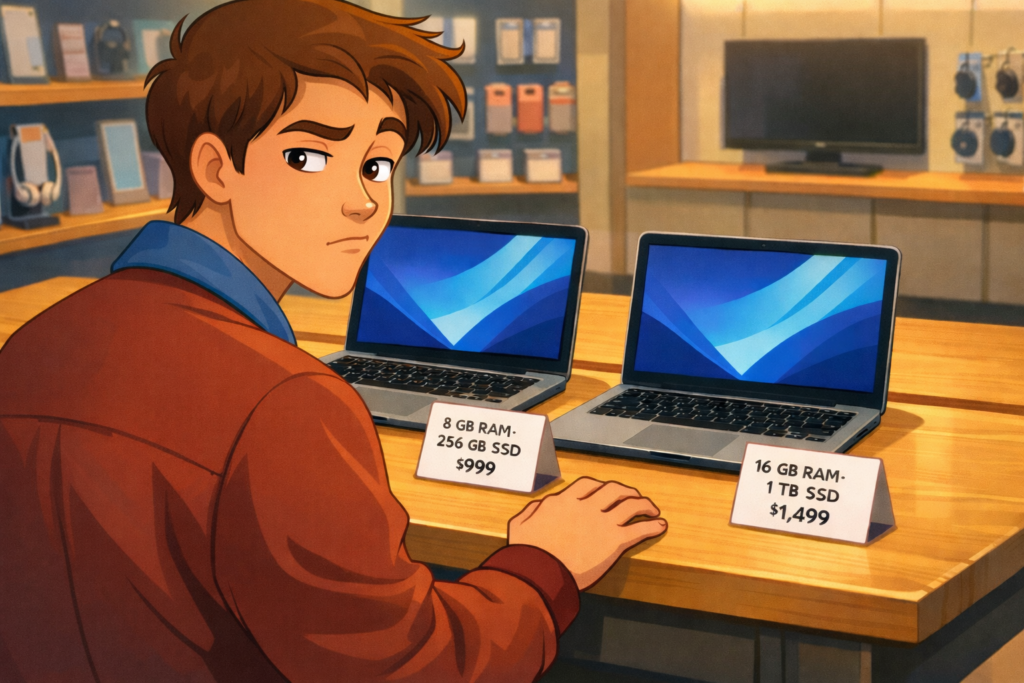
Some part shortages fly under the radar. This one doesn’t.
Over the last year or so, computer memory stopped behaving like a boring tech commodity.
Prices spiked and lead times stretched, sometimes ridiculously for both.
Consumers started noticing which devices suddenly jumped price tiers, or didn’t.
The 2024–2026 global memory shortage is not a factory fire or a shipping hiccup. Capacity has been structurally reallocated toward high-margin AI and data-center use.
At the same time, many companies are being forced to upgrade computers en masse.
Clients of mine have to replace hundreds of computers because Windows 10 no longer receives security updates, and the existing computers are unable to upgrade.
About 240 million computers worldwide are in the same pickle.
All this makes mainstream DRAM and NAND scarcer by design.
And scarcity always finds its way into economics.
For product makers, this changes the role of numerous components.
It affects us all.
Memory used to be an invisible cost. Now it drives (and interferes with) buying decisions.
Customers trade down storage.
Delay upgrades, even when they shouldn’t.
Choose “good enough” configs without shame.
Performance tiers feel different when the price gap widens for reasons buyers can sense.
This is not so much about educating customers on wafers or fabs. It’s more about reading the signal.
When a component becomes volatile, it reveals where value actually lives.
Which SKUs survive price pressure without resistance.
Scarcity clarifies priorities way faster than research.
Teams that treat component constraints as market signals, not internal headaches, get earlier insight into tiering, bundles, and timing.
Others wait for forecasts that arrive too late.
And you?
Want to make your product irresistible? That’s what we do as product marketing consultants at Graphos Product, helping innovators turn need-driven ideas into market-ready successes.