
This year’s show wasn’t focused on better screens or smarter apps. It was more about machines doing real work in human spaces.
CES 2026 made something unmistakable: AI is stepping out of the screen and entering the physical world.
On the floor, robotics and physical AI systems have stopped being framed as futuristic demos or curiosities.
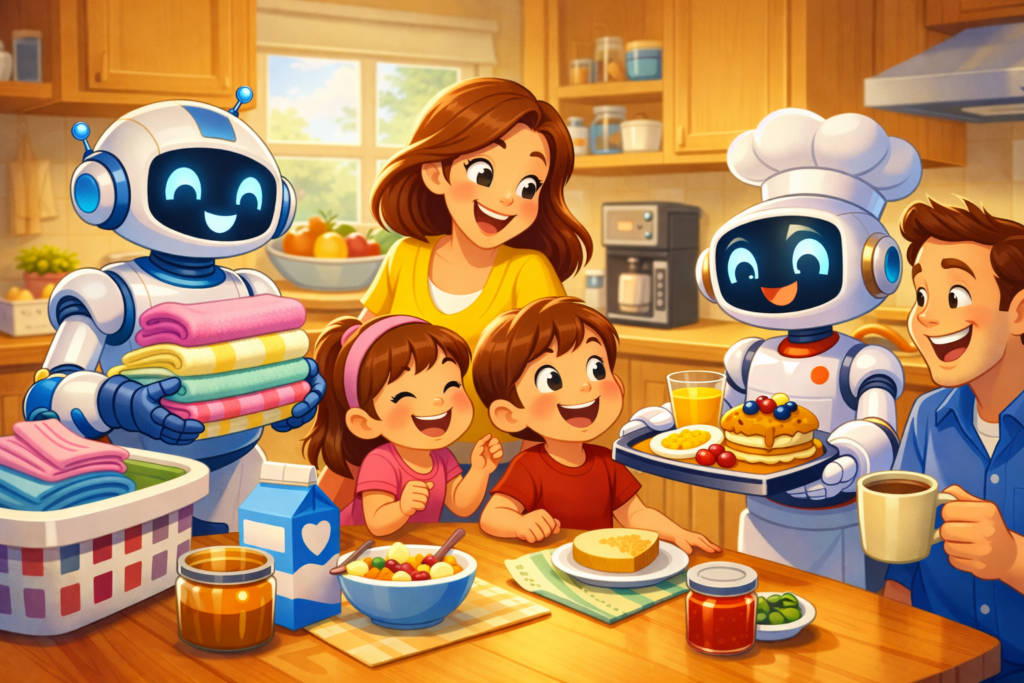
They folded laundry.
Prepared breakfast.
Navigated kitchens.
And negotiated stairs.
Ordinary tasks (for you and me), performed competently, without a hidden human at a controller.
That changes buyer psychology.
When a product is part of an autonomous routine, it’s no longer something you “use.” It’s something you live with.
So, value shifts from features and interfaces to fluency: how naturally the product fits into repeated, real-world behavior.
For product makers, this is a huge reframing.
Utility will increasingly be judged by whether a product can be perceived, handled, and relied on by autonomous systems operating in messy environments.
Shape, predictability, tolerance, and consistency start to matter as much as aesthetics or specs.
Products that machines can understand and manipulate easily will earn disproportionate adoption.
The weird question CES surfaced is this:
Are we still designing products only for humans, or for the autonomous agents and systems that are starting to act on our behalf?
Get ready for humanoids folding clothes and robot vacuums climbing stairs instead of bouncing off them.
Design assumptions are entering a huge shift.
The products that thrive next may be the ones that get along best in our human world.
Want to make your product irresistible? That’s what we do as product marketing consultants at Graphos Product, helping innovators turn need-driven ideas into market-ready successes.