
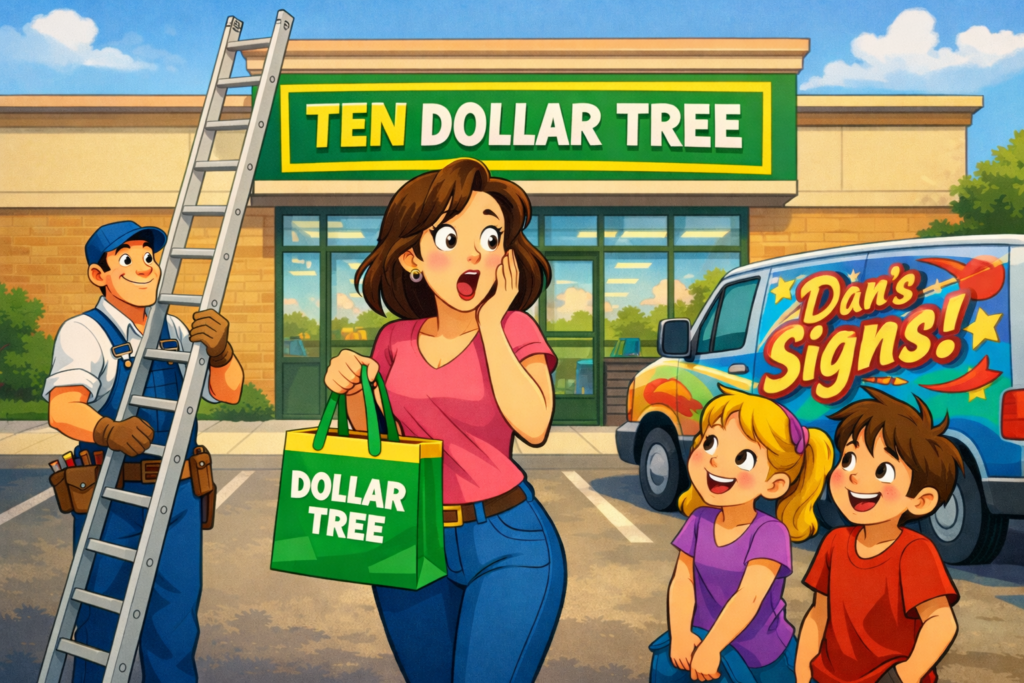
Buyers dislike higher prices, but they do expect them.
This month, Dollar Tree stores in the U.S. began adding items in the $10 range.
That would have been unthinkable not very long ago.
It feels jarring. At the same time, it is also fairly predictable.
Sigh. Had to happen, right?
Inflation does what it always does. It lifts baselines.
The psychological floor price moves up, and buyers recalibrate even while whining about it.
That tension affects product makers everywhere, not just in the U.S.
Whether your customers are in Canada, Europe, or elsewhere, they are feeling the same push.
But here’s the thing.
Pricing psychology is not a squeezing game. It’s about finding a delicate balance.
Buyers hate seeing prices go up, but they hate surprises even more. When an increase feels arbitrary, they punish it, and vote with their wallets.
When it feels inevitable and justified, they grit their teeth and absorb it.
Every dollar above break-even is pure profit. That is true.
But it only stays profit if the buyer’s mental math still maths, and buyers keep buying.
If the product still clears their internal value threshold without friction.
The lesson is not to race inflation upward. It is to anchor value clearly as baselines rise. Make the new price feel stable, not opportunistic.
The floor is moving. The brands that survive are the ones that move with it carefully.
Want to make your product irresistible? That’s what we do as product marketing consultants at Graphos Product, helping innovators turn need-driven ideas into market-ready successes.