Every product maker dreams of hearing customers say, “I need that!” But how do you create something so compelling that owning it becomes non-negotiable?
I Need That reveals the psychological triggers and brain science behind products people crave.
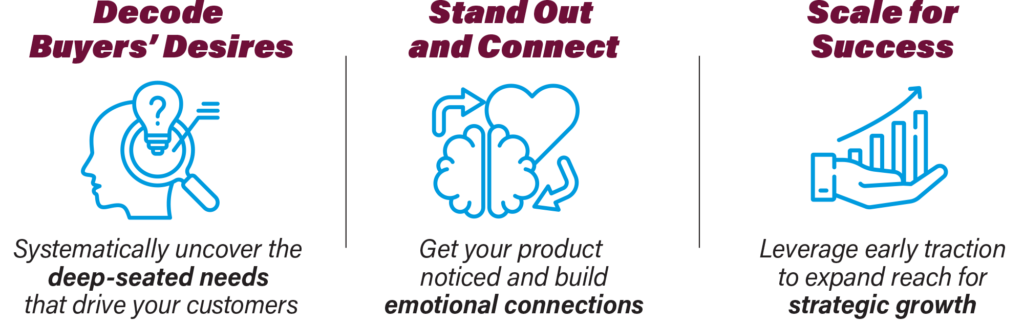
This one-of-a-kind guide shows you how to:
• Tap into the most powerful human needs that relate to your product
• Use behavioral psychology to turn casual shoppers into passionate buyers
• Avoid the pitfalls that doom most new products to failure
• Future-proof your business by capitalizing on emerging needs
Each chapter concludes with practical, easy-to-implement actions you can take immediately to improve your product’s chances of success.
These quick wins will help you:
• Refine your product strategy
• Enhance your marketing approach
• Strengthen your connection with customers
Packed with actionable strategies and real-world examples, this book is your roadmap to creating products that fly off the shelves. Whether you’re a startup founder, product manager, or CMO, I Need That will transform how you approach product creation and marketing.
Make your product the one they can’t live without.
For stronger sales, glowing reviews, and loyal customers, it all starts here.
Available in hardcover, paperback, e-book and audiobook versions